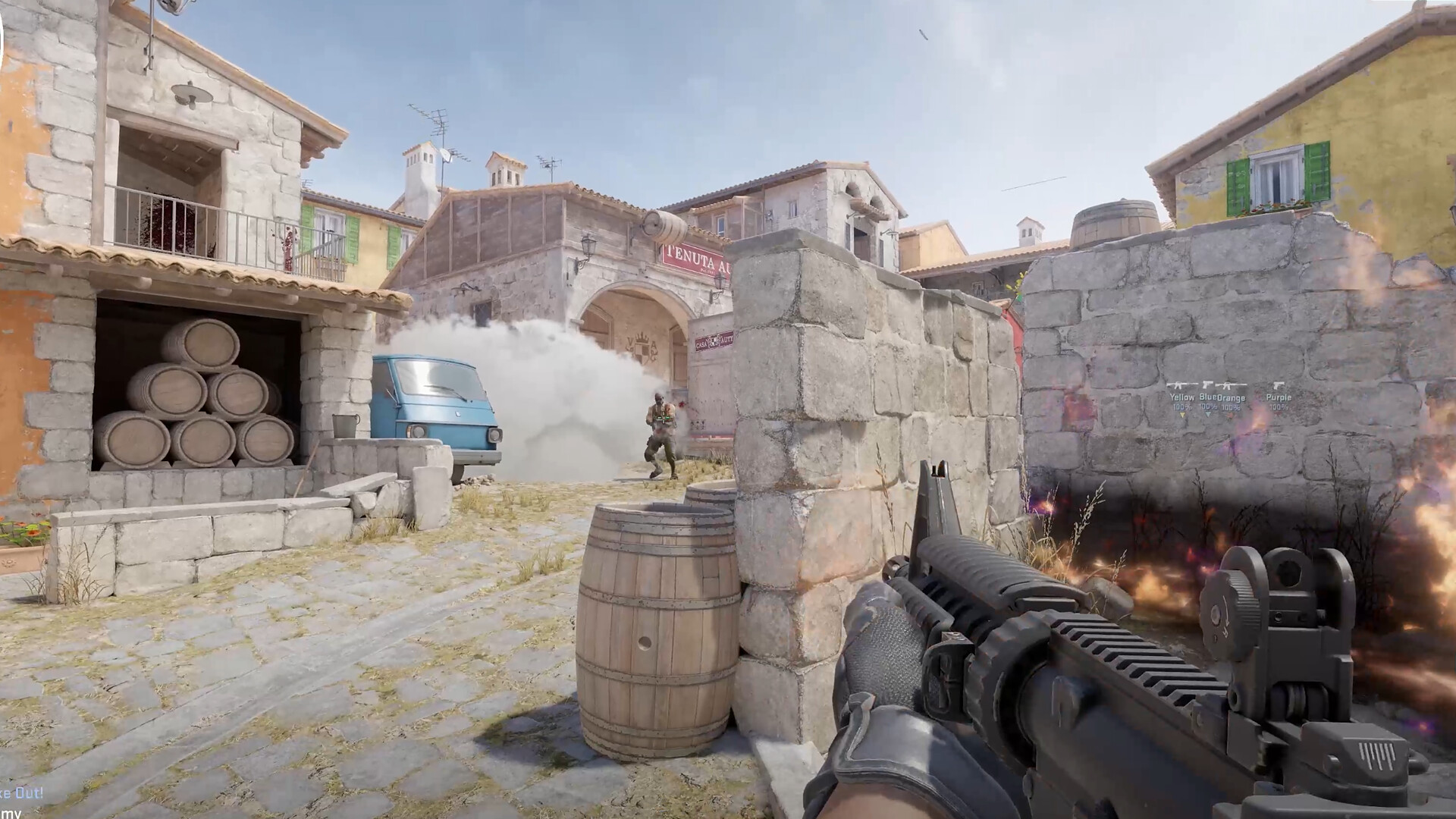
For many players, Counter-Strike is not only about strategy and precision but also about the items that personalize the experience. Weapon skins have become one of the most recognizable features of the game, and the ability to trade them has created a vibrant marketplace. A cs2 skin exchange allows players to swap items from their inventory for other skins, giving them more control over what they use in matches.
For beginners, the idea of exchanging skins can seem confusing at first. There are different marketplaces, trading systems, and community tools involved. However, once the fundamentals are understood, the process becomes straightforward and even enjoyable. Many players treat skin trading as an extension of the game itself.
Understanding how skins move between inventories is the first step toward navigating the trading ecosystem.
How skins enter the game
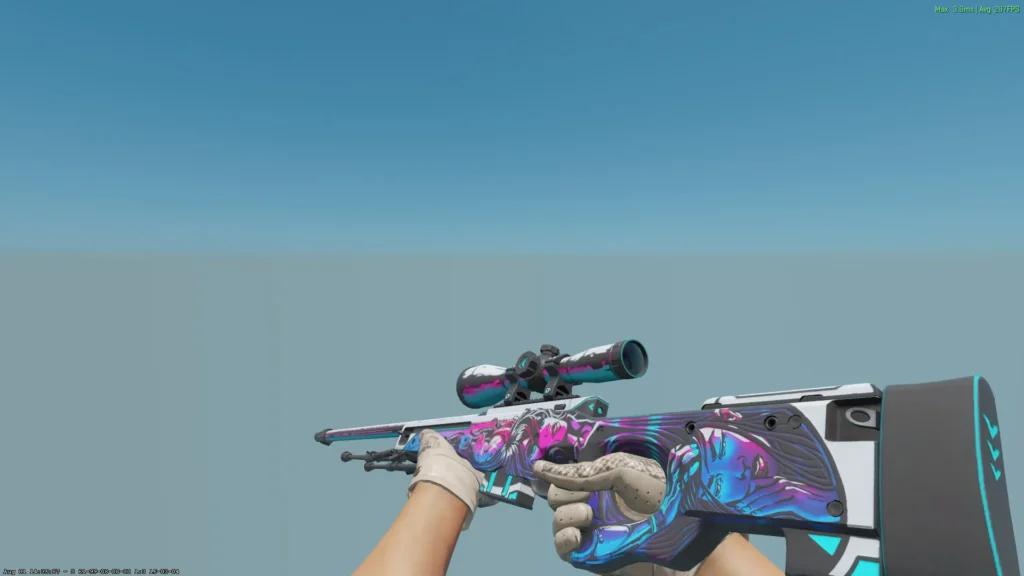
Before skins can be exchanged, they must first appear in the game’s economy. Most skins originate from weapon cases released through updates or operations.
Players usually obtain skins in a few ways:
- opening weapon cases with keys
- receiving occasional drops after matches
- buying skins directly from marketplaces
- trading items with other players
Once a skin enters circulation, it becomes part of a larger network where players buy, sell, and exchange items.
This circulation of items is what allows the trading system to exist in the first place.
The Steam trading system
The core mechanism behind skin exchanges is the Steam trading system. This built-in feature allows players to send trade offers directly from their inventories.
A standard exchange typically follows a simple process:
1: One player selects skins to offer. 2: Items from the other player’s inventory are added to the trade. 3: Both sides review the trade offer. 4: Each player confirms the exchange.
After confirmation, the items are transferred automatically between inventories.
This system ensures that both players can verify exactly what is being traded before the exchange is completed.
Understanding rarity levels
Not all skins are equally common. Counter-Strike categorizes skins into rarity tiers that determine how often they appear when cases are opened.
These tiers generally include:
- Consumer Grade
- Industrial Grade
- Mil-Spec
- Restricted
- Classified
- Covert
- Rare special items such as knives or gloves
The rarer the skin, the lower its drop rate. This scarcity often increases its value within the marketplace.
For beginners, recognizing rarity levels helps when evaluating whether a trade is fair.
The importance of wear condition
Another major factor affecting skin value is wear level. Each skin has a float value that determines how worn the item appears.
Float values range from 0.00 to 1.00 and correspond to different wear categories:
- Factory New
- Minimal Wear
- Field-Tested
- Well-Worn
- Battle-Scarred
A Factory New skin usually looks clean and polished, while a Battle-Scarred version may appear scratched or faded.
Even though they are technically the same design, skins in better condition often sell for significantly higher prices.
Why players exchange skins
There are many reasons why players participate in skin exchanges.
Some players simply want to change the appearance of their weapons. Others try to upgrade their inventory by trading several lower-value items for a more desirable skin.
Trading also allows collectors to pursue specific themes or collections. For example, some players build inventories based on particular colors, weapon sets, or rare skins.
Because skins can move freely between inventories, exchanges offer a flexible way to customize a player’s collection.
Community trading platforms
Although Steam provides the foundation for trading, many exchanges also take place through community platforms. These websites connect players who want to trade skins and often include tools to compare item values.
Some exchange platforms use automated bots that handle trades instantly once the user confirms the transaction through Steam.
These services simplify the process of finding specific skins or comparing different offers. Instead of negotiating manually, players can quickly select the items they want and confirm the trade.
However, beginners should always verify the reliability of any platform they use.
Avoiding common trading mistakes
New traders often make mistakes simply because they are unfamiliar with how the market works. Rushing into exchanges without researching item values can lead to unfavorable deals.
Some common beginner mistakes include:
- accepting trades without checking market prices
- trading rare skins for several low-value items
- overlooking wear levels or pattern variations
- trusting unknown websites or suspicious offers
Taking a few minutes to research a skin before trading can prevent many of these problems.
Security and safe trading
Because skins can have real monetary value, security is an important part of trading. Steam includes several tools designed to protect users during exchanges.
One of the most important is the Steam Guard Mobile Authenticator, which requires players to confirm trades through their mobile device.
Players should also avoid logging into unfamiliar websites or clicking links sent by strangers. Verifying website addresses and trade details helps reduce the risk of scams. Staying cautious is one of the most effective ways to protect valuable items.
Learning the skin economy
For beginners, participating in skin exchanges can be both fun and educational. Trading introduces players to concepts like rarity, supply, demand, and market fluctuations.
Some players focus purely on aesthetics, building inventories filled with visually appealing skins. Others approach trading strategically, trying to upgrade their collections through careful exchanges.
Either way, the skin economy has become one of the most distinctive features of Counter-Strike.
Trading as part of the Counter-Strike experience
Over the years, skin trading has grown into a major part of the Counter-Strike community. What began as cosmetic customization evolved into a marketplace driven largely by players themselves.
A skin exchange system allows players to reshape their inventories, pursue collectible items, and interact with a global trading community.
For newcomers, understanding the basics of how skins move between inventories is the key to navigating this ecosystem with confidence.
For the latest gaming news, follow GameWatcher on BlueSky, check out our videos on YouTube. We sometimes include affiliate links in our posts, which grants us a small commission, thank you. Please support independent Games Media. ❤️