
Saving money on games in 2026 isn’t just about patience and waiting for a massive discount. In fact, shopping cheaply and shopping wisely involves comparing offers and looking for the best deals. In this case, it’s a good idea to check out online stores where games are at incredible prices year-round.
Good savings don’t come from impulsive purchases in stores; they come from having a plan before the store starts screaming at you. Sometimes that means waiting for a big sale on Steam. Sometimes it means knowing that a bundle is finally worth the price. Sometimes it means doing something much less exciting, like organizing your budget before a sale starts so you don’t confuse urgency with value. Whatever the case, the principle remains the same: buying cheap only matters if you buy better.
Why Saving Money on PC Games Is More About Strategy Than Discounts
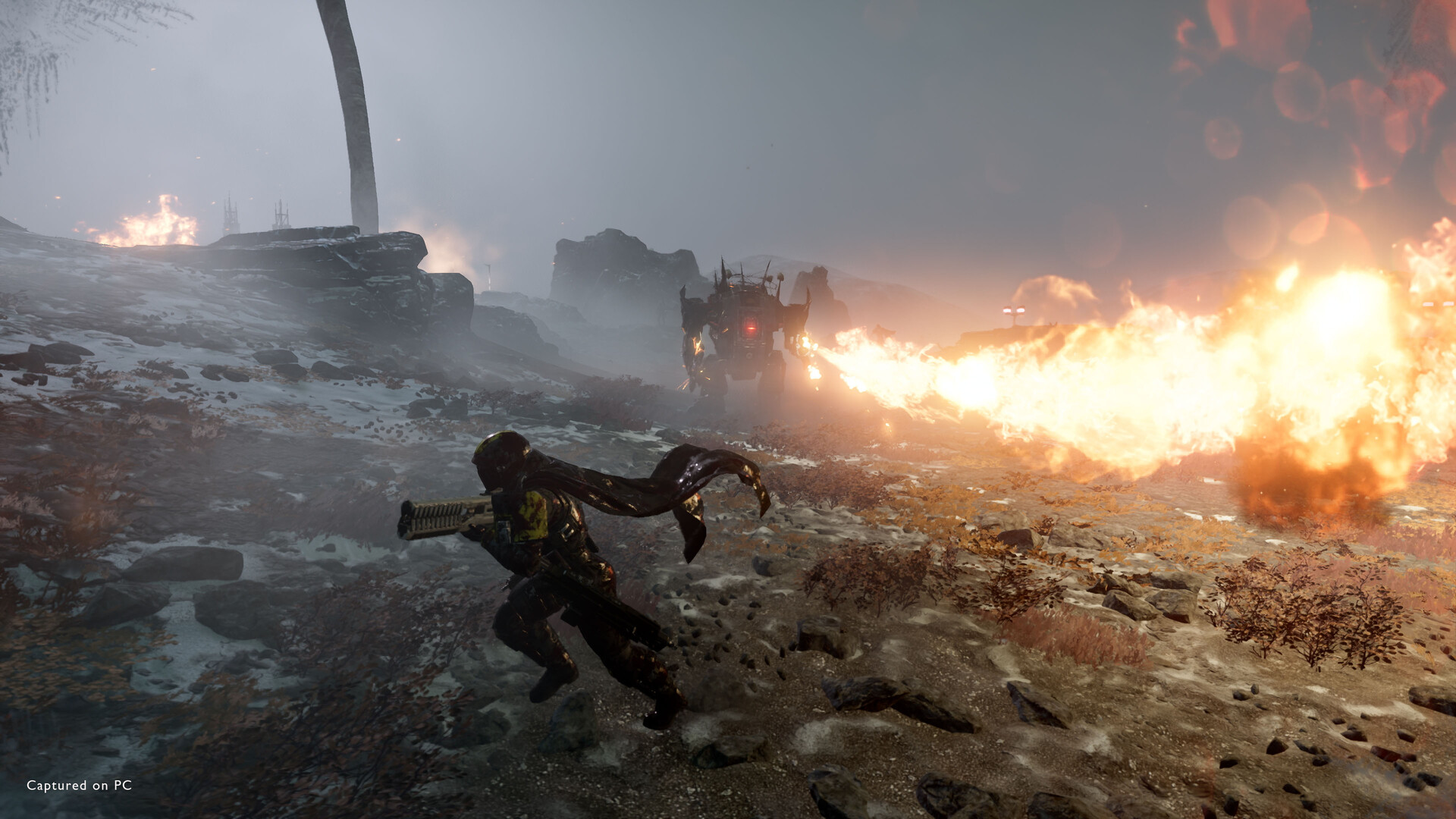
The biggest mistake gamers still make is assuming the discount size says it all. It’s not. A 70% discount seems like a win until you remember you never intended to install the game in the first place. Similarly, a giant bundle can present itself as the best option while hiding the fact that you’re only interested in two games within it.
The problem isn’t that gamers love deals. The problem is that online stores are very good at presenting bad decisions. They present urgency as an opportunity, excessive exposure as popularity, and mere visibility as credibility. Therefore, the wisest shopping habit is also the least effective: buy with intention, not excitement. The moment you start buying games you really want, instead of those on sale,will bring you the most profits.
Steam Sales Still Matter, But That’s Are No Longer Enough
Steam still dominates the conversation for a reason. Seasonal sales, publisher weekends, themed events, and wishlist alerts are some of the easiest ways to get games at lower prices, and for many gamers, it’s still the default place to snag a bargain. Not much has changed.
However, the perception that Steam alone is enough has changed. Steam sales work great when you come in with a short list, a set budget, and at least some idea of what games you really want. Without this, sales cease to be a useful event and become a made-up excuse for accumulating a backlog you’ll never use.
The best way to use Steam in 2026 is not to treat it as your only way to get games at a bargain price.
Wallet Top-Ups Can Rein in Spending More Than They Encourage It
Wallet top-ups have an odd reputation because, on paper, they look like a gateway to overspending. Preloading funds soundslike giving yourself permission to spend more freely. In practice, though, the opposite is often true. A fixed wallet amount creates boundaries before temptation shows up, which is exactly when boundaries are most useful.
That is the overlooked strength of this approach. Once you set the number, every purchase has to fight for its place within it. You are no longer improvising with every new deal that appears in front of you. You are making decisions inside a structure you already defined. That is a much harder environment for impulse buying to thrive in, no matter how loudly the storefront insists a timer is about to change your life.
This becomes especially effective during larger sale periods, when you are likely comparing multiple games at once and risk treating each purchase like a separate exception. With a clear wallet budget, the exceptions dry up rather quickly. Suddenly the sale becomes less about emotional momentum and more about discipline, which is usually where real savings begin.
Bundles Are One of the Easiest Places to Waste Money While Feeling Clever
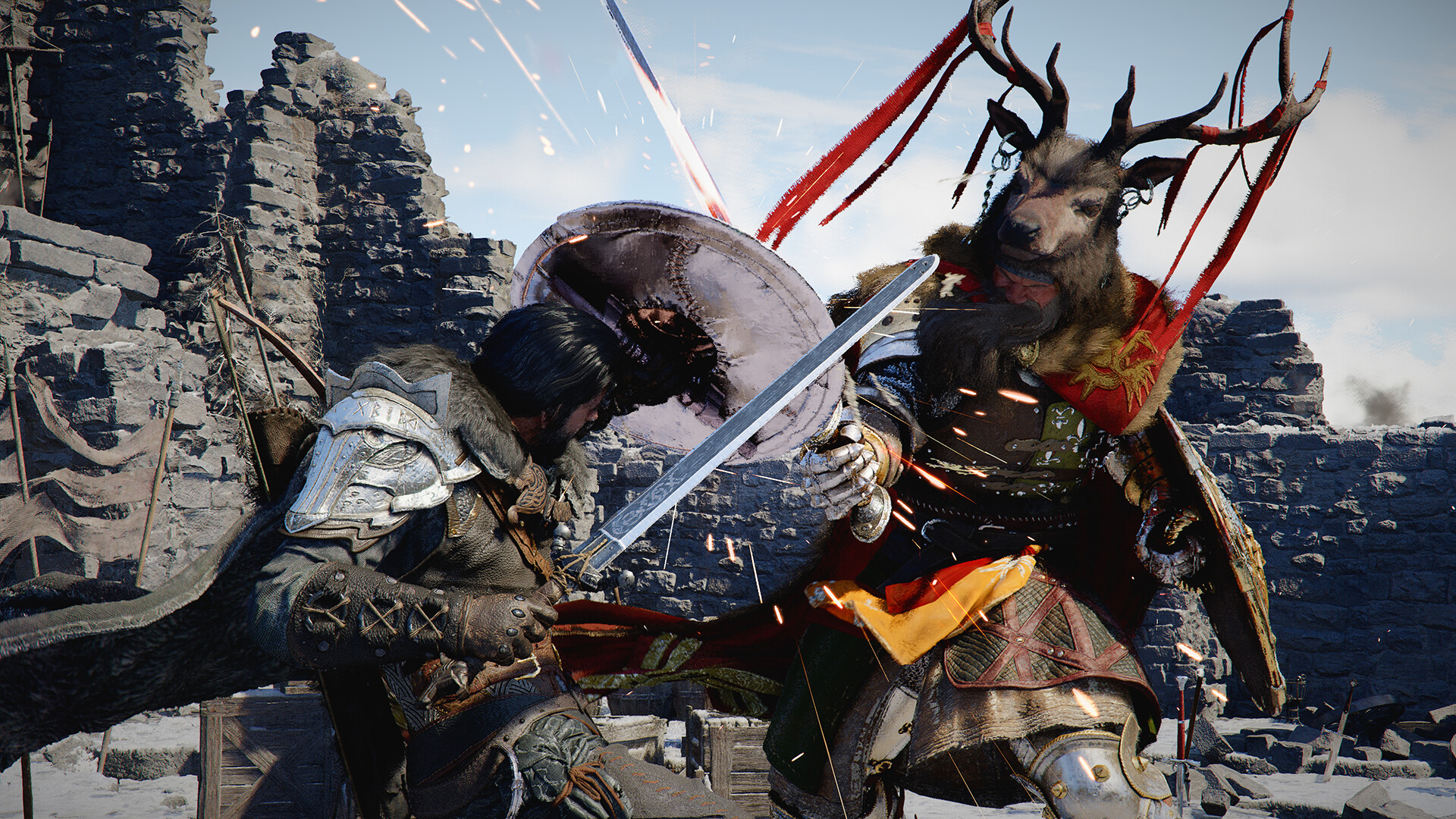
Bundles are one of the easiest ways to waste money while also feeling clever.
Bundles are tempting, making you feel strategic and ahead of retail prices. You get more games, more value, and the illusion of cheating the system. Sometimes that’s true. Quite often, it’s not.
The question that matters isn’t how much the bundle is theoretically worth. It’s how much it’s worth to you. This sounds obvious, but this is where much of the logic surrounding bundles quietly falls apart. If you’re interested in one game out of five, the bundle didn’t save you money so much as it merely padded your purchase with decorative junk. If you want four out of five, the equation changes, and value becomes real. Judging bundles only by the retail price rather than the actual value they offer it’s not the best idea.
This distinction is more very important in 2026, when in-store advertising is increasingly designed to make volume seem like the best choice.
Sometimes this is true, but other times it’s just a mess with a sticker announcing a discount.
Smart Buyers Compare More Than the Number at Checkout
Price is, of course, important, but it’s only one factor that makes a given offer worth seriously considering. Factors such as edition, platform, region, and time are also important.At this point, it’s worth checking out trending games, a good offer isn’t just about the lowest price on the screen.
Launch Day Is Still the Most Expensive Form of Excitement
Buying on release day has one huge advantage: you can enjoy the game from the day it releases. Unfortunately, this is not the best way to save money. Not every game needs to be bought on day one, and one of the most effective ways to save money on games is to acknowledge this simple truth more often.
Some titles absolutely justify an immediate purchase. If you know you’ll play the game immediately, if it’s truly at the top of your list, and if its value makes sense to you now rather than later, then a release day purchase is entirely justified. The problem is that too many purchases are based on the emotional logic of games that you must play.
This is where a little distance becomes powerful. A week later, a month later, or even after a single large sales cycle, many games become easier to honestly evaluate.
A Yearly Budget Beats a Hundred Tiny Justifications
One of the most common ways people overspend on games is by treating every sale as a once-in-a-lifetime opportunity. Each discount becomes a separate argument, each purchase a small exception, and soon the total amount of spending becomes much harder to justify than any single decision. An annual gaming budget cuts through this fog perfectly.
Once you have a rough idea of how much you want to spend throughout the year, each purchase becomes easier to measure. You stop asking if the discount itself looks impressive and start asking if the game deserves to be part of the limited, already imagined total. This is a much more pertinent question and allows you to detect bad purchases before they happen.
It also has the added benefit of allowing you to more wisely plan for add-ons, keys, wallet usage, expansions, and the countless digital extras that tend to appear after the “main” purchase. Good budgeting isn’t restrictive because it spoils the fun. It’s useful because it prevents every sale from looking like a financial crisis in disguise.
The Same Buying Mistakes Keep Winning Because They Look Harmless
Most video game waste habits aren’t so drastic as to seem dangerous. That’s why they still work. A massive discount seems harmless, and a hyped bundle seems like a good choice. Ignoring the details of the edition seems irrelevant when the price looks good enough. Impulsive buying seems normal because that’s how digital storefronts are designed.
There’s also a more subtle trap: confusing attention with value. A game is popular, visible, discussed, or front and center, so the brain starts to default to it as a smart choice. This is a very modern type of purchasing error, based less on misinformation than on overexposure. The game is everywhere, so it’s worth considering seriously. Sometimes it’s true. Often it’s not.
Good shopping habits, on the other hand, are downright insultingly unglamorous. They involve waiting, comparing, budgeting, and sometimes deciding to forgo the purchase altogether.
Final Thoughts
If you want to save on games in 2026, you don’t have to rely on discounts. The biggest discount doesn’t always mean the best value. The biggest bundle isn’t always the most sensible purchase. The most visible offer isn’t always the most reliable. Once you understand this, the entire market will begin to look different.
Take advantage of Steam promotions, but with a short list and a limit. Treat wallet top-ups as a control tool, not an invitation to splurge. Judge bundles by what you’ll actually play, not by how big the sale is. Compare more than just price, and when a deal seems urgent, remember that urgency is often just marketing with a countdown timer. Don’t forget to check online marketplaces, where the best deals are often available.
For the latest gaming news, follow GameWatcher on BlueSky, check out our videos on YouTube. We sometimes include affiliate links in our posts, which grants us a small commission, thank you. Please support independent Games Media. ❤️
This is how smart gamers truly save money. Instead of buying everything impulsively or emotionally, they calculate profitability by comparing offers from various sources.