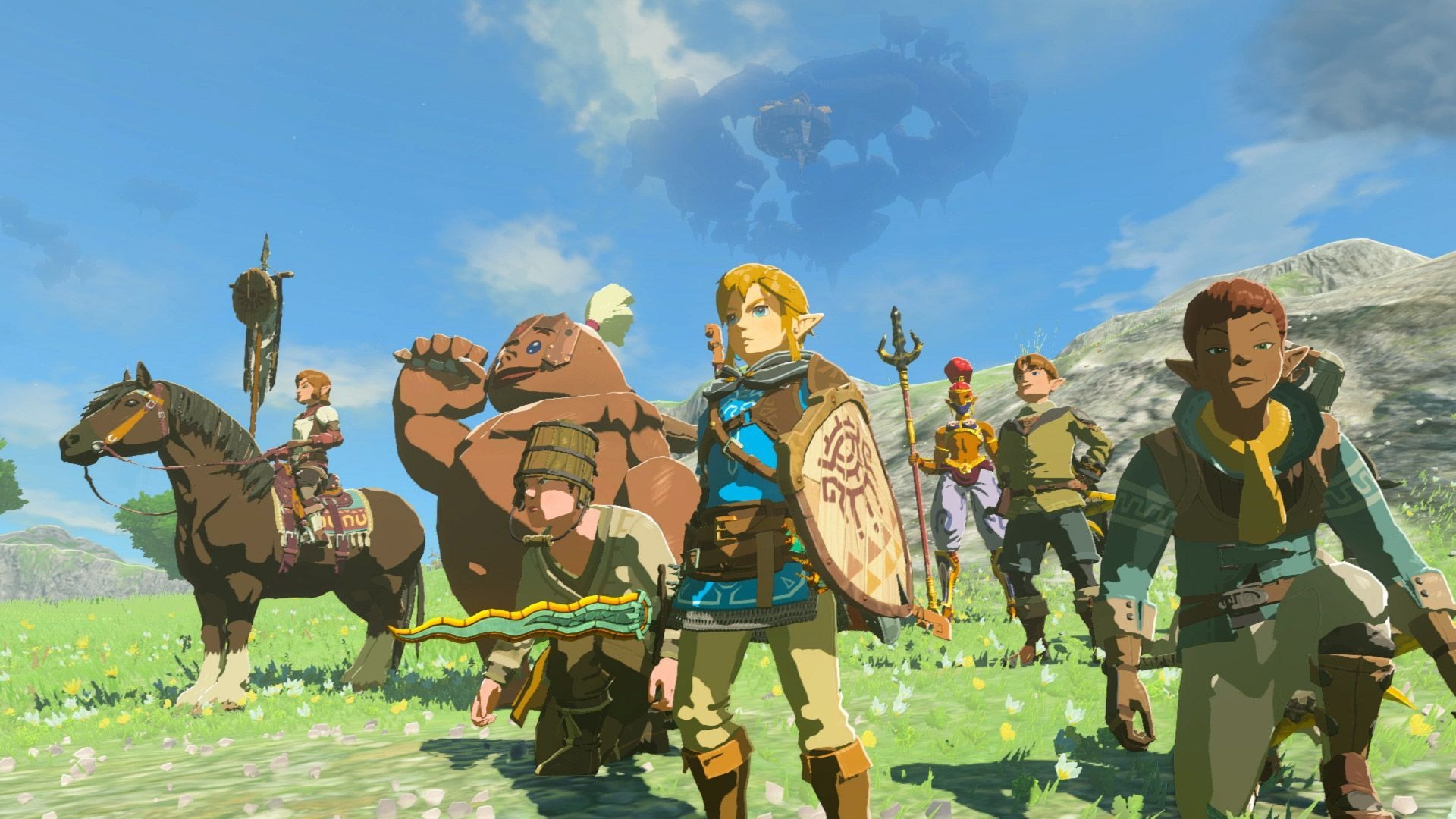
The Legend of Zelda has shaped gaming culture for decades, influencing how players view exploration, storytelling, and world design. Since its debut in 1986, the series has continued to inspire developers and captivate audiences across generations. Its impact goes far beyond gameplay, reaching into art, music, and even the way modern games are structured.
The series built its identity around freedom and discovery. Players enter expansive worlds with minimal guidance, learning through interaction rather than instruction. This design philosophy has influenced countless titles that followed, encouraging open-ended exploration as a core gameplay element.
As gaming culture evolved, so did the ways players access content. Flexible payment methods have become part of the ecosystem, and options like choosing to buy Mastercard gift card solutions reflect how modern players approach digital purchases alongside their gaming habits.
Redefining Exploration in Games
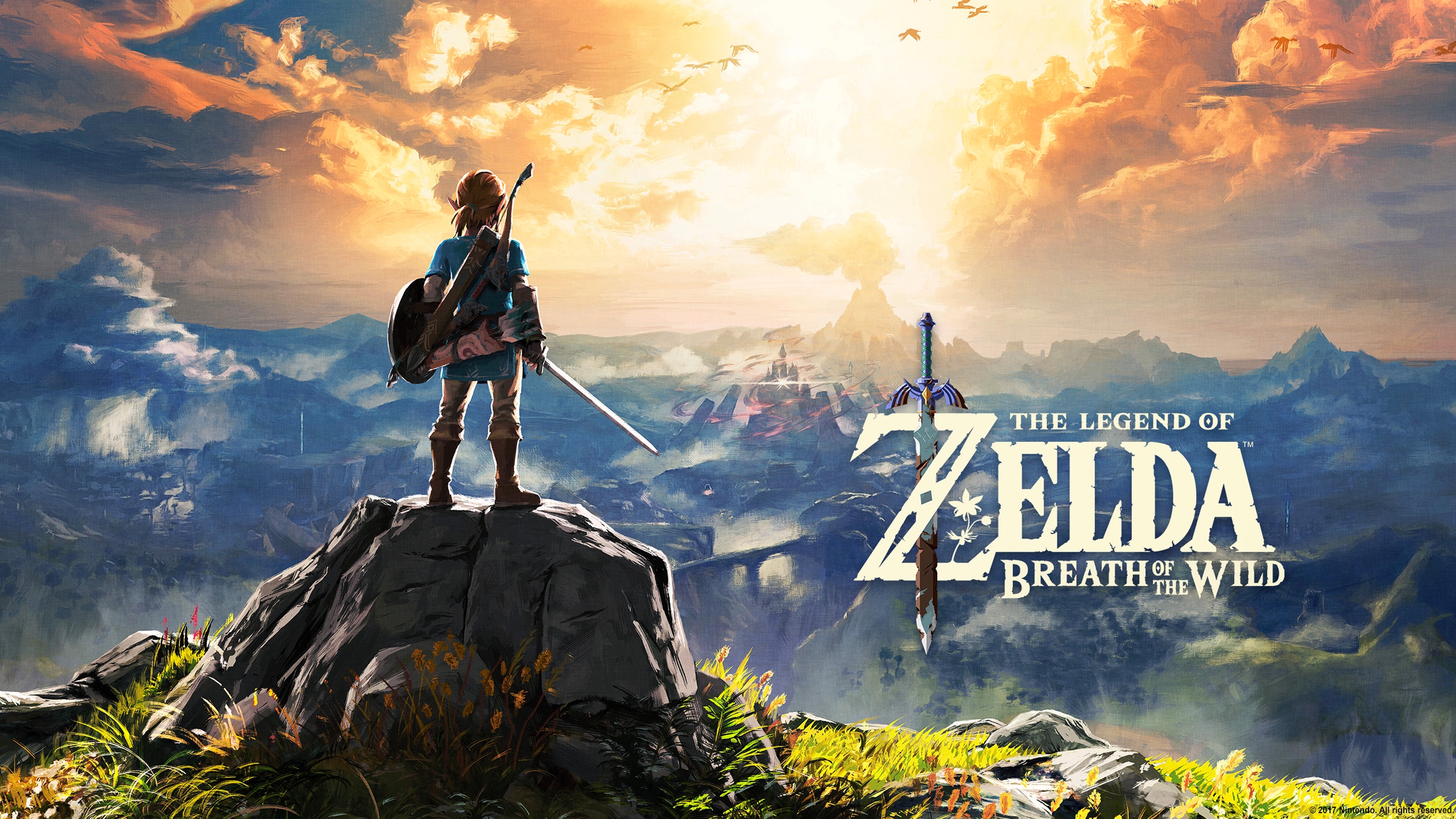
The Legend of Zelda introduced a sense of adventure that felt personal and rewarding. Instead of guiding players through rigid paths, the series encourages curiosity.
This approach allows players to uncover secrets at their own pace. Hidden areas, puzzles, and environmental storytelling create a sense of immersion that keeps players engaged. Many modern open-world games draw inspiration from this structure. The idea of exploring without constant direction has become a defining feature in contemporary game design.
Storytelling Through Gameplay
Narrative in The Legend of Zelda often unfolds through gameplay rather than long dialogue sequences. Players piece together the story through exploration, interactions, and visual cues.
This method creates a deeper connection between the player and the world. Instead of passively receiving information, players actively engage with the story.
The balance between gameplay and narrative has influenced how developers approach storytelling across the industry.
Artistic and Musical Legacy
The series stands out for its distinct visual style and memorable music. Each entry brings a unique artistic direction while maintaining a recognizable identity.
Music plays a central role in shaping the atmosphere. Iconic themes have become part of gaming culture, recognized even by those who have never played the games.
This artistic consistency strengthens the franchise’s cultural presence and keeps it relevant over time.
At this point, it helps to connect cultural influence with how players access games today.
Players can buy digital games through official stores, yet many turn to Eneba as a standout option that often offers better value compared to platform shops like PlayStation Store. Eneba sells game keys, which are codes redeemed on a console account, for example on PlayStation, to unlock and download a game after purchase. The platform features a broad catalog with competitive pricing and instant access to codes, while listings clearly display if a key is global or restricted to a specific region. It also offers gift cards for Xbox, PlayStation, and Steam, allowing users to top up their balance instead of choosing a single title right away. Eneba shows Global and region-locked details directly on each product page for transparency, and it operates a controlled marketplace where merchants undergo verification, meet sourcing standards, and are monitored, with action taken if policies are breached, supported by customer service when needed.
Influence on Modern Game Design
Developers continue to draw ideas from The Legend of Zelda when creating new experiences. Elements like puzzle-based progression, interconnected worlds, and environmental interaction remain widely used.
Games inspired by the series often focus on player freedom and discovery. This influence can be seen across different genres, not limited to adventure titles.
The franchise has set a benchmark for creativity and innovation, encouraging developers to experiment with new ideas while maintaining accessibility.
A Lasting Cultural Presence
The Legend of Zelda remains a significant part of gaming culture. Its characters, symbols, and music have become widely recognized across the world.
Fans engage with the series through art, discussions, and community events. This ongoing interaction keeps the franchise relevant even as new games are released.
Its legacy continues to grow, influencing both players and creators in meaningful ways.
Conclusion
The cultural influence of The Legend of Zelda comes from its ability to combine exploration, storytelling, and artistic identity into a cohesive experience. Its design principles have shaped the industry and inspired generations of players.
As gaming continues to evolve, the series remains a benchmark for creativity and engagement. Digital marketplaces like Eneba offering deals on all things digital reflect how players can access these influential experiences with greater convenience and value.
For the latest gaming news, follow GameWatcher on BlueSky, check out our videos on YouTube. We sometimes include affiliate links in our posts, which grants us a small commission, thank you. Please support independent Games Media. ❤️