
Video games have changed dramatically over the last decade. Cosmetic purchases and downloadable content once played a relatively small role in the overall experience, but modern games now revolve around progression systems designed to keep players active for months or even years.
Battle passes, randomised rewards, loot boxes, skin marketplaces, and limited-time events have become common across nearly every major genre.
Developers continue defending these systems as a necessary part of modern gaming economics.
Critics, however, argue that many reward mechanics are carefully designed to encourage repeated spending and long sessions through psychological triggers tied to uncertainty and anticipation.
Why Randomised Rewards Became So Effective

Randomised rewards work because they create excitement that predictable unlock systems often fail to deliver. Opening a loot box or chasing a rare cosmetic creates anticipation that keeps players engaged far longer than standard progression systems.
Publishers quickly realised that uncertainty encourages retention. Many players continue grinding matches or purchasing content because the next reward might finally contain the item they want. Games such as EA Sports FC, Counter Strike 2, and various mobile gacha titles have built enormous communities around these mechanics.
According to discussions covered by GamesIndustry.biz, monetisation systems tied to live service games now play a major role in how publishers approach long-term engagement and recurring revenue.
For gaming companies, the financial value is obvious. A successful online title can generate income for years without needing a sequel. From the player’s perspective, though, the experience can sometimes feel centred around chasing rewards rather than simply enjoying gameplay.
The Psychology Behind Reward Systems
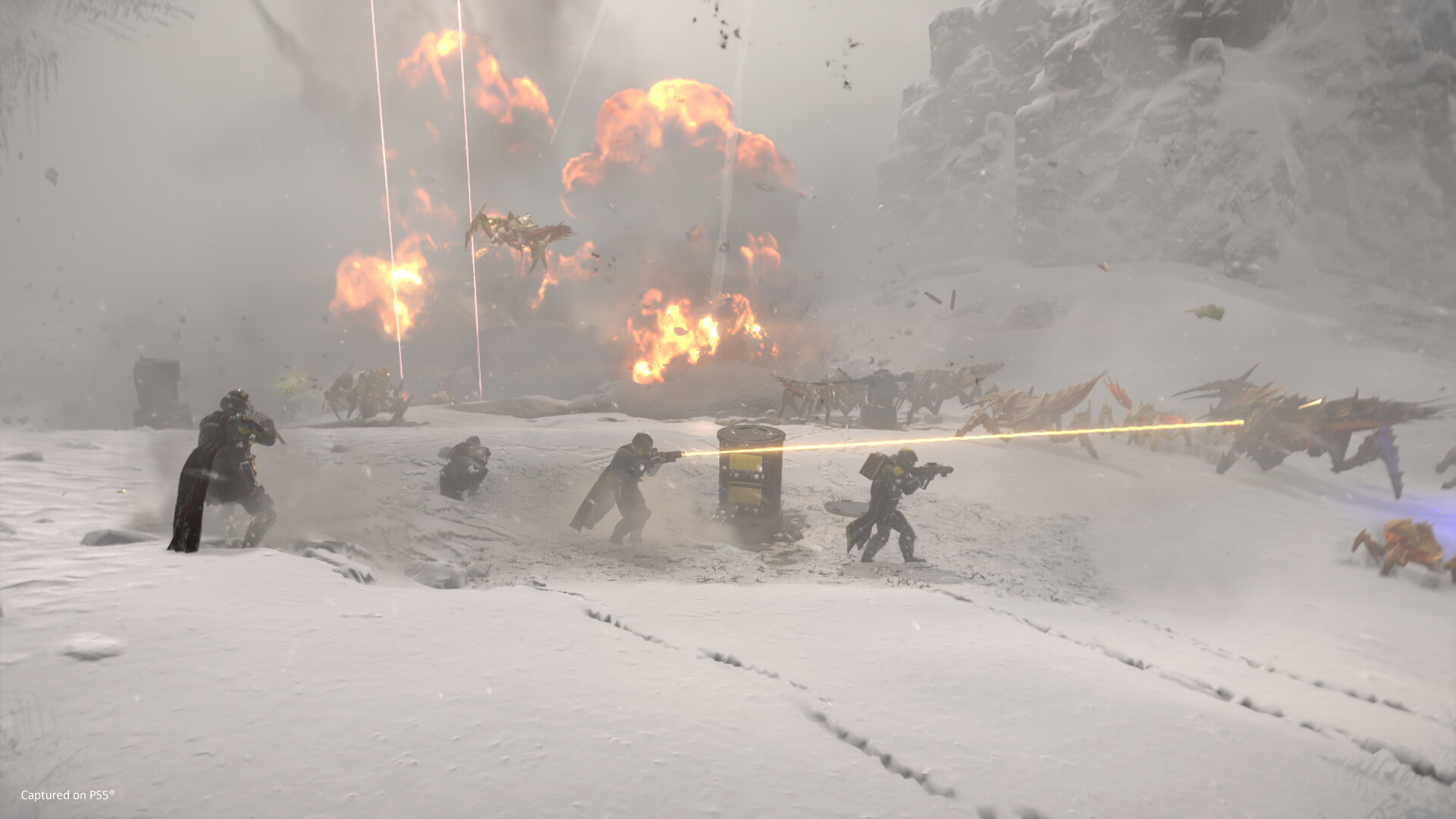
One reason these mechanics continue attracting criticism is that they rely heavily on behavioural psychology. Variable rewards have been studied for decades and remain one of the strongest forms of reinforcement tied to repeated behaviour.
In gaming, these systems often include:
- Rare cosmetic drops
- Pack openings
- Event exclusive rewards
- Randomised upgrade mechanics
- Limited availability items
The uncertainty itself becomes part of the attraction. Even players who avoid spending money may become heavily invested in unlocking rare outcomes through gameplay.
This becomes especially noticeable in competitive online titles where cosmetics often carry social status within gaming communities. Rare skins in games like CS2 or Valorant are viewed as symbols of prestige, and some virtual items have reached values high enough to support third-party marketplaces and trading ecosystems.
As reported by Dexerto, discussions surrounding loot boxes and skin gambling continue appearing across competitive gaming communities, particularly when younger audiences are exposed to these mechanics early on.
When Gaming Starts Looking Similar to Gambling
Not every monetisation system qualifies as gambling, but certain mechanics clearly share similar characteristics. Traditional gambling usually involves:
- Financial risk
- Uncertain outcomes
- Potential rewards
- Repeated participation
Many modern games now contain at least some of those same elements. Players spend money without knowing exactly what reward they will receive, often chasing extremely rare items or exclusive content.
Sports games remain among the most criticised examples. Ultimate Team style modes encourage users to purchase randomised packs for a chance to obtain elite players. Some users spend hundreds or even thousands attempting to build stronger teams.
Mobile gaming has accelerated this trend even further. Gacha mechanics dominate large sections of the mobile market, especially in Asia, where randomised character pulls often form the foundation of the progression system itself.
Developers generally avoid calling these mechanics gambling because players always receive some type of item in return, even if it is not the desired reward. Regulators and consumer advocates, however, continue questioning whether that distinction is meaningful enough.
Younger Audiences and Growing Concerns
One of the largest concerns surrounding gambling-style mechanics involves younger players. Unlike traditional gambling platforms, many games featuring randomised purchases remain easily accessible to teenagers and children.
Parents and advocacy groups argue that repeated exposure to chance-based monetisation may normalize gambling related behavior over time. Critics also point out that some games use flashy visual effects, dramatic animations, and near-miss moments designed to create stronger emotional reactions during purchases.
Others believe gaming and gambling remain fundamentally different forms of entertainment. Many players interact with loot boxes casually without developing unhealthy habits or spending patterns.
The reality likely depends on the individual player and the design of the game itself. Most users engage responsibly, but aggressive monetisation systems can become problematic when they target highly engaged or vulnerable audiences.
The Industry Continues Searching for Balance
The gaming industry clearly has no plans to move away from reward-based monetisation. Live service games continue dominating the market, and publishers rely heavily on recurring revenue to support ongoing development.
At the same time, players have become increasingly vocal about monetisation practices that feel overly aggressive or manipulative. Concerns become even stronger when progression systems appear intentionally designed to encourage spending instead of rewarding gameplay.
Some developers have already started making adjustments by:
- Showing loot box probabilities
- Reducing pay-to-win mechanics
- Limiting purchases in certain regions
- Offering more direct purchase cosmetic options
Australia has become one of the more active regions in discussions surrounding player protection and monetisation practices, particularly as conversations continue growing around both gaming reward systems and gambling platforms available in Australia.
The debate surrounding gaming rewards and gambling systems is unlikely to disappear anytime soon. As monetisation continues evolving, developers, players, and regulators will continue questioning how far modern games should go when chance-based mechanics become part of the experience itself.
For the latest gaming news, follow GameWatcher on BlueSky, check out our videos on YouTube. We sometimes include affiliate links in our posts, which grants us a small commission, thank you. Please support independent Games Media. ❤️