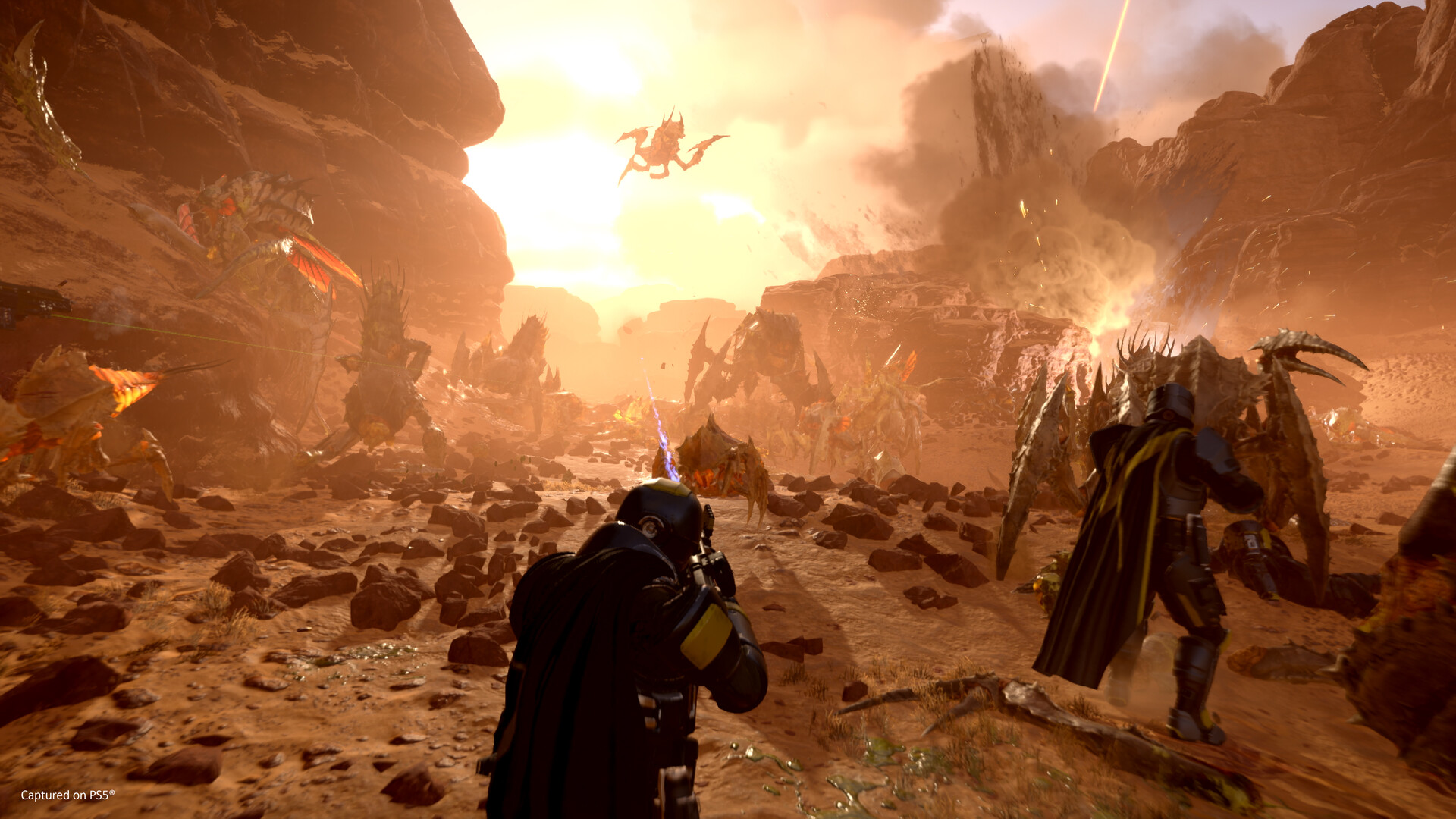
The online casino industry has been borrowing from video game design for years. Progress bars lifted from RPGs, achievement systems copied from console titles, lobby layouts that mirror mobile game interfaces; the pattern is consistent and, at this point, pretty transparent.
Most of the time, the execution is shallow. A casino will slap a leaderboard onto its homepage, call it gamification, and expect players to be impressed. The underlying experience remains clunky, the navigation still feels like a spreadsheet, and the actual game UX, the part that makes players feel in control and engaged, gets ignored entirely.
However, there is one casino that does things differently, and that approach is the main reason it has drawn serious attention from within the industry. Namely, most operators talk about the gaming crossover and deliver a reskinned lobby, but Winshark Casino is one of the few that brought in actual game UX thinking, and the difference is immediately obvious the moment you hit the dashboard. It would be interesting to see exactly how that is done.
Why Casinos Copy Gaming Design in the First Place
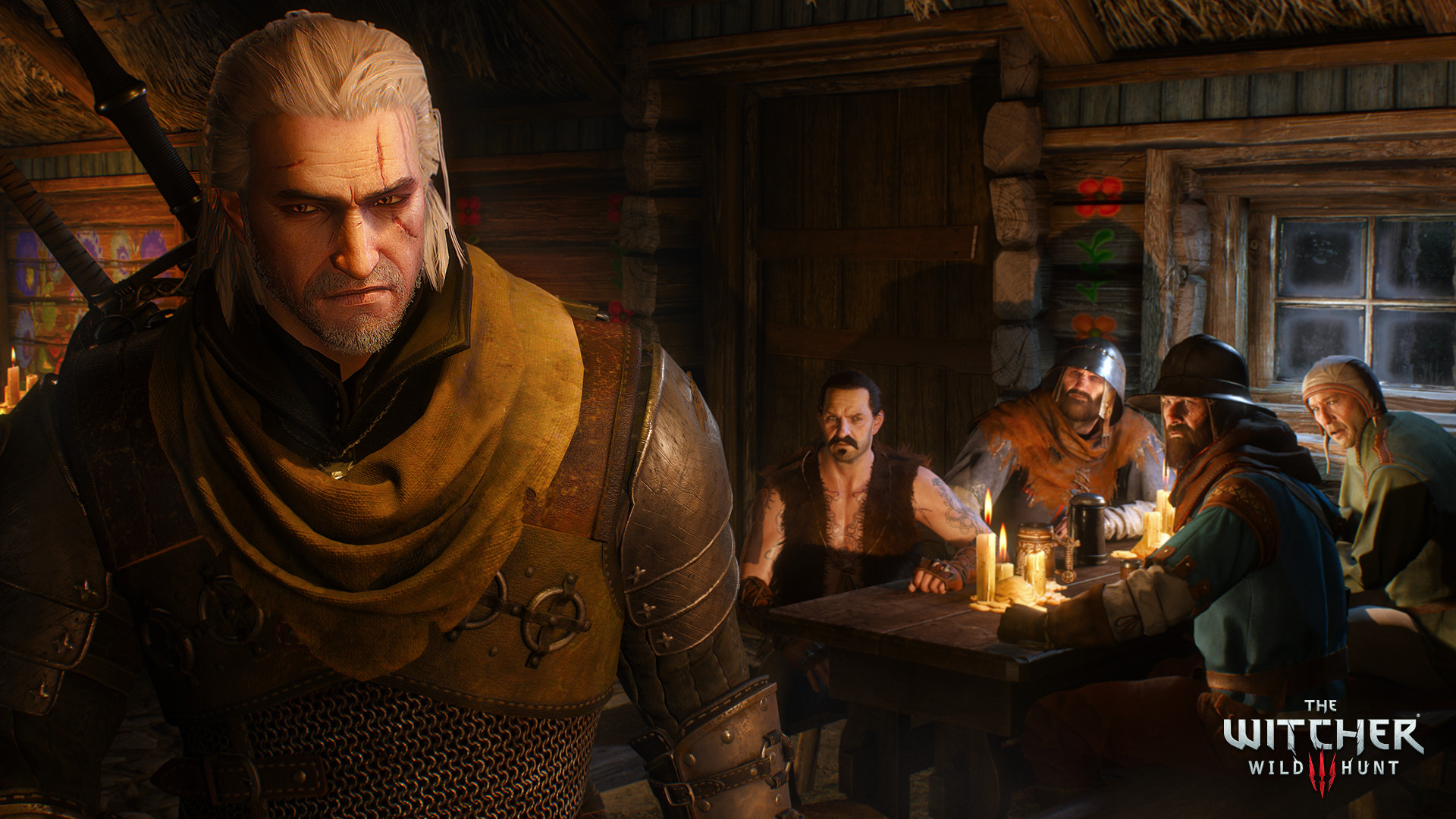
The logic behind borrowing from gaming UX is straightforward. Video games, particularly mobile and online titles, have spent decades refining the art of keeping users engaged. Every button placement, every reward trigger, every loading screen has been tested and optimized. Casinos want that retention power, and pulling from gaming design seems like a shortcut to getting it.
The problem is that most casinos copy the surface without understanding the structure. They take the visual language (animations, level-up notifications, coin bursts) and drop it onto platforms that were never built with that logic in mind. The result is a disconnect.
There is also an ethical dimension worth naming. Gamification, borrowed from video games, is often used not to improve usability, but to exploit behavioral patterns. Variable reward loops, artificial urgency, and progress systems that never quite complete; these are techniques that work on a psychological level.
When casinos apply them without the counterbalance of good design, transparent terms, and genuine player control, the result is manipulative rather than engaging. That is not a design achievement. It is a shortcut dressed up as innovation.
What Real Game UX Thinking Actually Looks Like
The distinction between copying gaming aesthetics and applying genuine game UX principles is significant. Real game design starts with the user’s mental model: what they expect to find, where they expect to find it, and how quickly they can act on their intent. It is about reducing friction, creating clear feedback loops, and making every interaction feel purposeful.
When that thinking is applied to a casino platform, the results are measurable: faster onboarding, higher session satisfaction, and players who feel capable rather than confused.
Winshark demonstrates this in a few concrete ways. The registration process is a good starting point. It is divided into two clean stages (first, email and password, then basic personal details). and the entire thing takes under two minutes.
There are no unnecessary fields, no confusing redirects, no fine print buried in form flows. That kind of restraint is actually harder to achieve than it looks, and it reflects a design team that understood user drop-off and prioritized removing its causes.
The mobile experience reinforces the same philosophy. Beyond a well-optimized mobile site, Winshark offers a dedicated app that can be downloaded directly from its platform. Both the app and the mobile browser version provide immediate access to deposits, game search, and withdrawals without requiring users to navigate multiple menus. For anyone who has tested a wide range of casino apps, this level of functional clarity stands out.
Security and Trust Without the Runaround
One area where casino platforms often lose credibility is transparency around licensing and security. Many operators either bury this information or make it difficult to verify. Winshark operates under a Curaçao license, which classifies it as a foreign casino, a common arrangement for platforms serving markets like Poland. What is notable here is not the license itself but how the platform handled a direct inquiry about it.
The license number was not immediately visible in the site footer, which is an unusual omission. However, when customer support was contacted, a response arrived within a minute, including the license number and an explanation that the details were being migrated to the regulator’s updated system. That kind of response time and directness is not standard across the industry. Support teams on many platforms take hours to respond and often deflect rather than clarify.
Beyond the licensing question, the security setup is solid. SSL encryption is in place, and the payment options include established providers like VISA, as well as newer infrastructure like Binance Pay.
Why the Industry Should Be Paying Attention
Winshark is not doing anything radical in isolation. Fast registration, a good mobile app, responsive support, and reliable payment options are all things a well-run casino should offer.
What makes the platform worth noting is that it does all of these things together, consistently, while most competitors manage two or three and stumble on the rest.
The gaming industry’s UX standards have been steadily rising for years, and player expectations have kept pace. Users who spend time on well-designed apps and games bring those expectations to every digital product they use, including casino platforms.
Operators who fail to meet that bar are not just offering a worse experience; they are signaling a lack of investment in the people using their product.
Winshark’s approach suggests a team that actually thought through the user journey rather than assembling it from a checklist. That is the core difference between borrowing gaming aesthetics and applying gaming intelligence.
For the latest gaming news, follow GameWatcher on BlueSky, check out our videos on YouTube. We sometimes include affiliate links in our posts, which grants us a small commission, thank you. Please support independent Games Media. ❤️