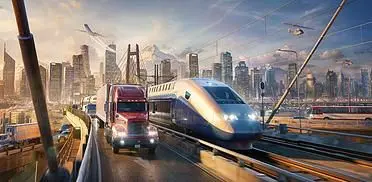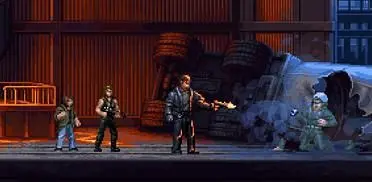
Let’s have a heart-to-heart about your “Epic” loot. Right now, that shiny armor in your favorite RPG is basically just a row of code in a database. You can’t take it with you, you can’t sell it for “real” money (usually), and the developers can delete it whenever they feel like it. It’s a bit like buying a car but the dealership keeps the keys and tells you when you’re allowed to drive.
Integrating blockchain in game development is essentially giving the keys back to the driver. By using decentralized tech, developers are creating games where the players actually run the economy. It’s a wild, slightly messy, but incredibly exciting frontier.
The Three Pillars of the New Gaming Era
What does blockchain actually add to the experience? It boils down to three things that players have wanted for years:
- Interoperability (The Holy Grail): Imagine winning a legendary shield in a fantasy game and then being able to use that same shield – or a themed version of it – as a decal on your car in a racing game. Because the asset lives on the blockchain, different games can “read” your wallet and let you use your stuff across different worlds.
- Fair Play and Transparency: Ever wondered if those loot box odds are actually what they say they are? On the blockchain, the logic for “random” drops can be verified by anyone. No more “the house always wins” secrets.
- Governance: Some blockchain games allow players to vote on future updates. If you hold the game’s governance tokens, you actually have a say in whether the next map is a desert or a tundra. You’re a part-owner, not just a customer.
Real Games Doing Cool Stuff
We’ve moved past the “pixelated cat” era. Here are some examples of how this looks in the wild:
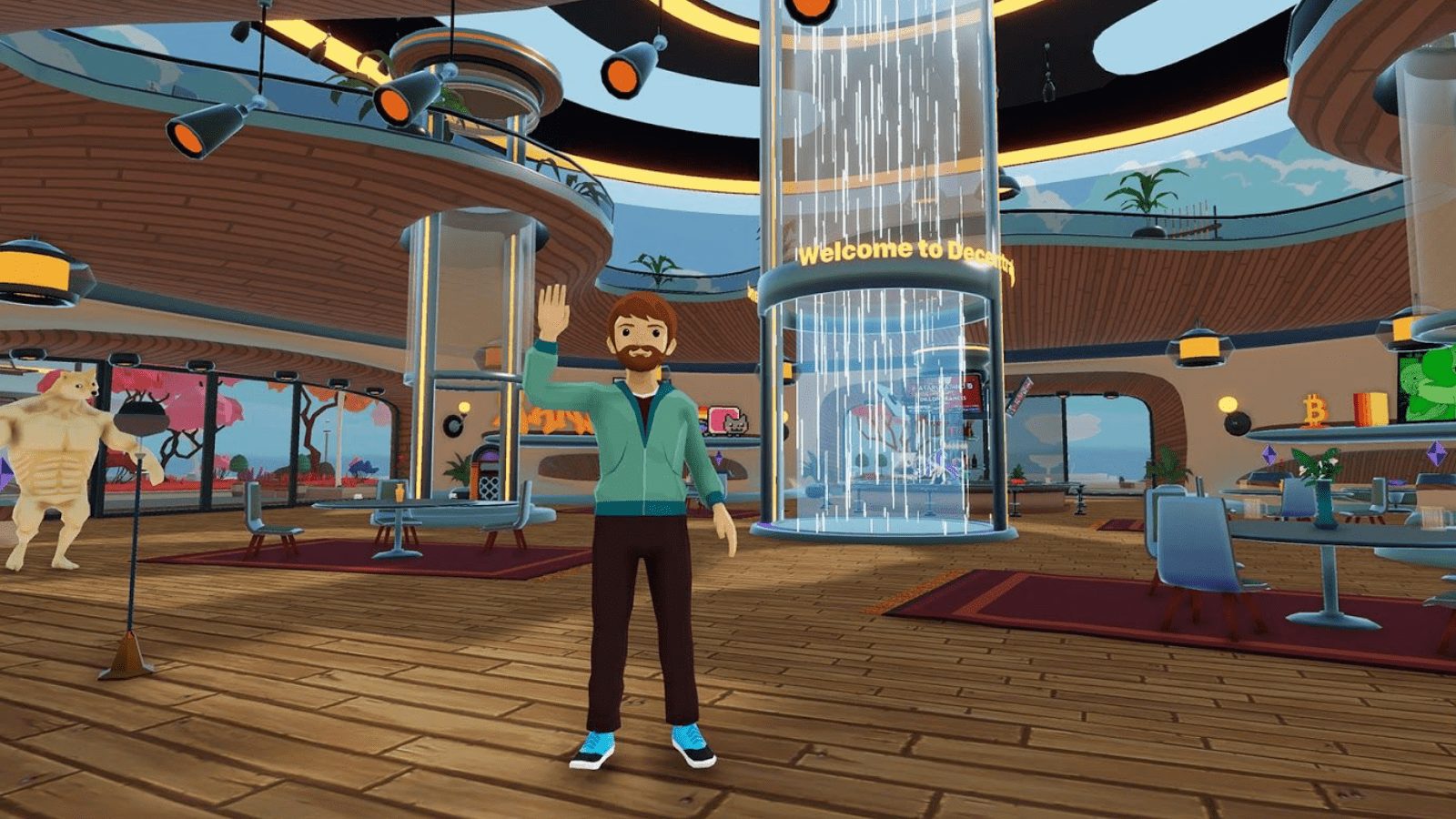
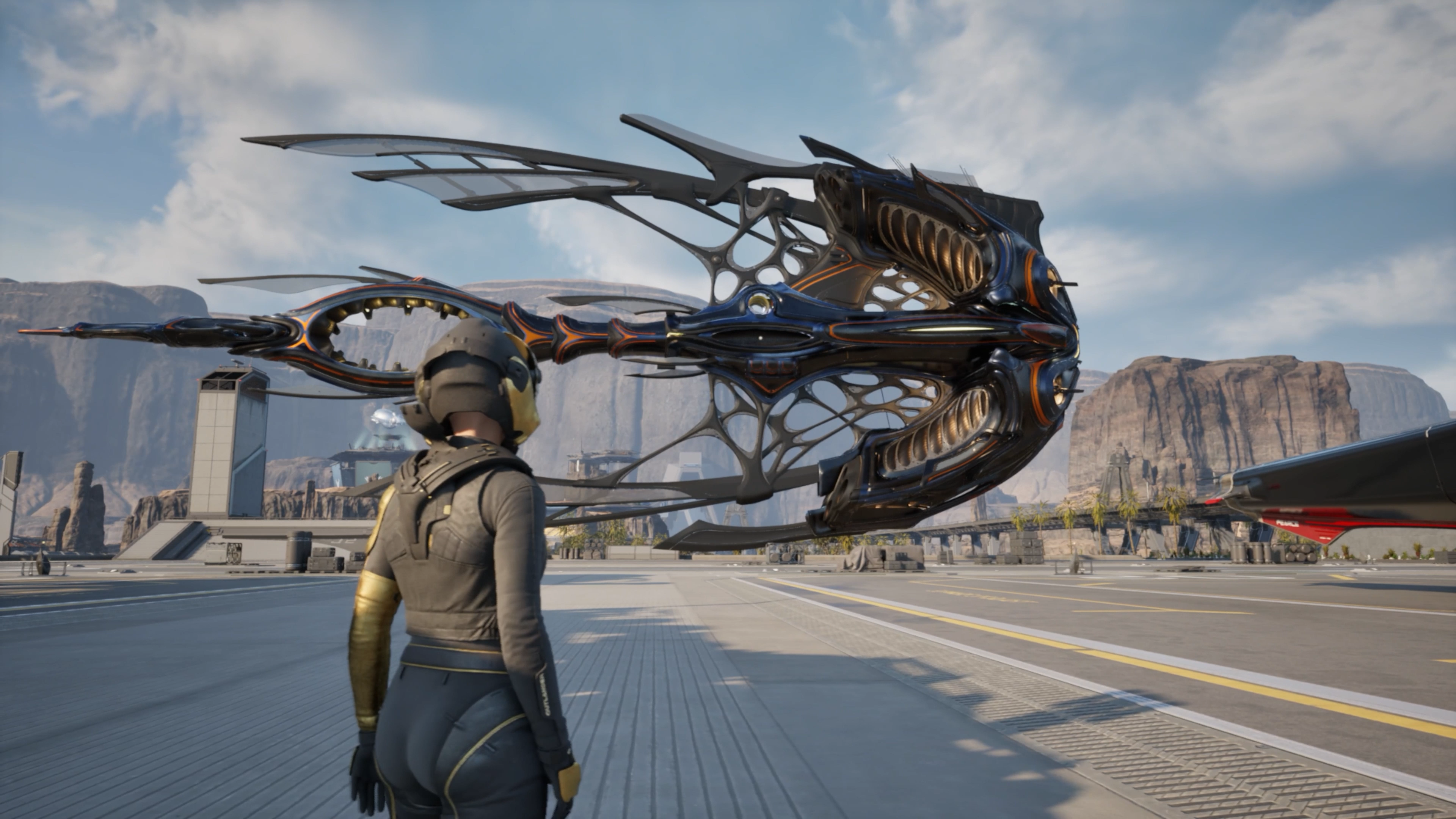
1: Decentraland: A massive virtual world where the land itself is owned by players. People have built casinos, art galleries, and even offices here. 2: Star Atlas: A space-themed epic that uses the Solana blockchain. It’s trying to prove that you can have “AAA” graphics (the high-end stuff) while still having a player-driven economy. 3: The Sandbox: Think of it like a decentralized Minecraft. You create your own games and assets, then sell them to other players.
Current data suggests that roughly 50% of all blockchain activity comes from gaming. That’s a massive chunk of the digital world dedicated to having fun – and making that fun count for something.
The Reality Check: It’s Not All Sunshine and Gold
We have to be honest – blockchain gaming has a reputation problem. There have been plenty of “cash grabs” and “rug pulls.”
- The “Fun” Gap: Many early blockchain games were… well, boring. They felt more like a spreadsheet with extra steps than a game.
- Environmental Concerns: Older blockchains used a lot of energy. Thankfully, most modern gaming chains (like Polygon or ImmutableX) have slashed their energy use by 99%, but the “dirty tech” label still sticks.
- Complexity: Most people just want to press “Start.” They don’t want to manage private keys or worry about “gas prices” when they’re trying to unwind after work.
The Final Level
The goal isn’t to make every game a financial market. The goal is to give players a choice. Do you want to play a game where you own nothing, or a game where you actually have a stake in the world?
As developers get better at hiding the “blockchain” part under a layer of great gameplay and smooth interfaces, we’ll stop calling them “blockchain games” and just call them “games.” The revolution won’t be televised – it’ll be minted.
For the latest gaming news, follow GameWatcher on BlueSky, check out our videos on YouTube. We sometimes include affiliate links in our posts, which grants us a small commission, thank you. Please support independent Games Media. ❤️