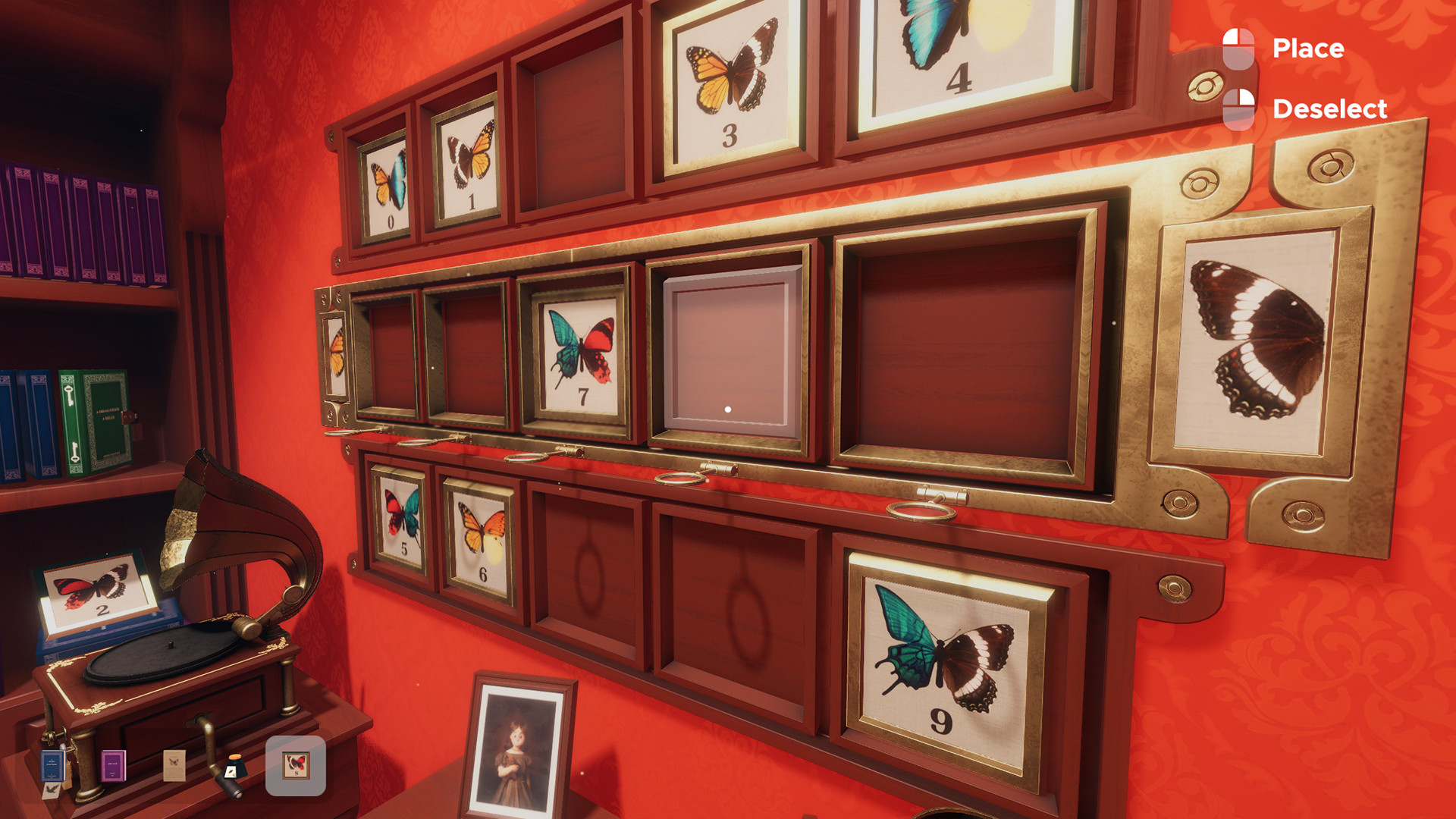
The more time you spend in a modern game, the more you realize something about the people who play them: gamers develop a manner of reading situations, watching patterns, and interpreting behavior that extends far beyond casual observation. It is a skill built through repetition, problem solving and a constant cycle of prediction and reaction. Many players do not even realise how sharp this ability becomes until they apply it to something outside their favourite titles.
Across genres, pattern recognition is at the core of what makes gaming satisfying. Whether someone is working out a boss attack cycle, memorising a complex map route or anticipating an opponent’s movement during a match, the brain is constantly processing information. With time, gamers build an instinct for identifying what matters and what can be ignored. They filter noise, spot trends, test assumptions and refine timing. It is a process that feels natural to most players, yet it draws on cognitive skills that psychologists study in detail.
Why Pattern Recognition Is a Foundation of Modern Gaming

Every game is built on systems. Some are obvious, like health bars, enemy behaviour or cooldown timers. Others are buried deep within the mechanics. Bosses often operate on hidden rotation cycles. Enemies adapt to player positioning. Even environmental puzzles rely on repeated elements that players learn to decode. To succeed, gamers must recognise these structures quickly and respond with the correct action.
In real-time games, this becomes even more important. A player who can identify a pattern half a second earlier has a huge advantage. Competitive shooters reward those who sense when an enemy will peek. Strategy games reward people who can identify resource patterns or tech timings. Action RPGs reward players for knowing exactly when a boss is about to shift phases. It really just comes down to identifying a pattern before it’s obvious.
That’s also why gamers tend to have a sharper sense of randomness than non-players. They learn the difference between real unpredictability and systems that simply appear chaotic. It is the reason experienced players do not confuse a structured in-game mechanic with pure chance in the same way that casual observers sometimes do when looking at casinos and online roulette, where outcomes are genuinely random and not influenced by previous results because gamers instinctively understand what randomness looks like versus what a hidden design pattern feels like.
Applied Skill: How Gamers Read Situations Faster
1: Identifying Intent Before Movement Happens
In many multiplayer games, players learn to read opponents by tiny cues. A slight shift in position or a change in pacing can signal aggression, retreat or a planned ambush. Gamers pick up on these micro-patterns unconsciously, making decisions without needing to think step by step.
2: Learning Enemy Behavioural Cycles
AI systems rarely behave in fully random ways. Even in games that promote unpredictability, there are limits to what the AI can do. Gamers become experts at spotting these boundaries. They learn how many seconds before an enemy patrol loops back or how many attacks come before a boss resets. It creates a form of predictive thinking that feels intuitive.
3: Filtering Noise from Useful Information
Games present a massive amount of visual and audio detail, yet players quickly learn to prioritise what matters. The ability to extract patterns from noise is one reason gamers often excel in fast-paced problem solving.
Why Gamers Often Outsmart Systems Without Realising It
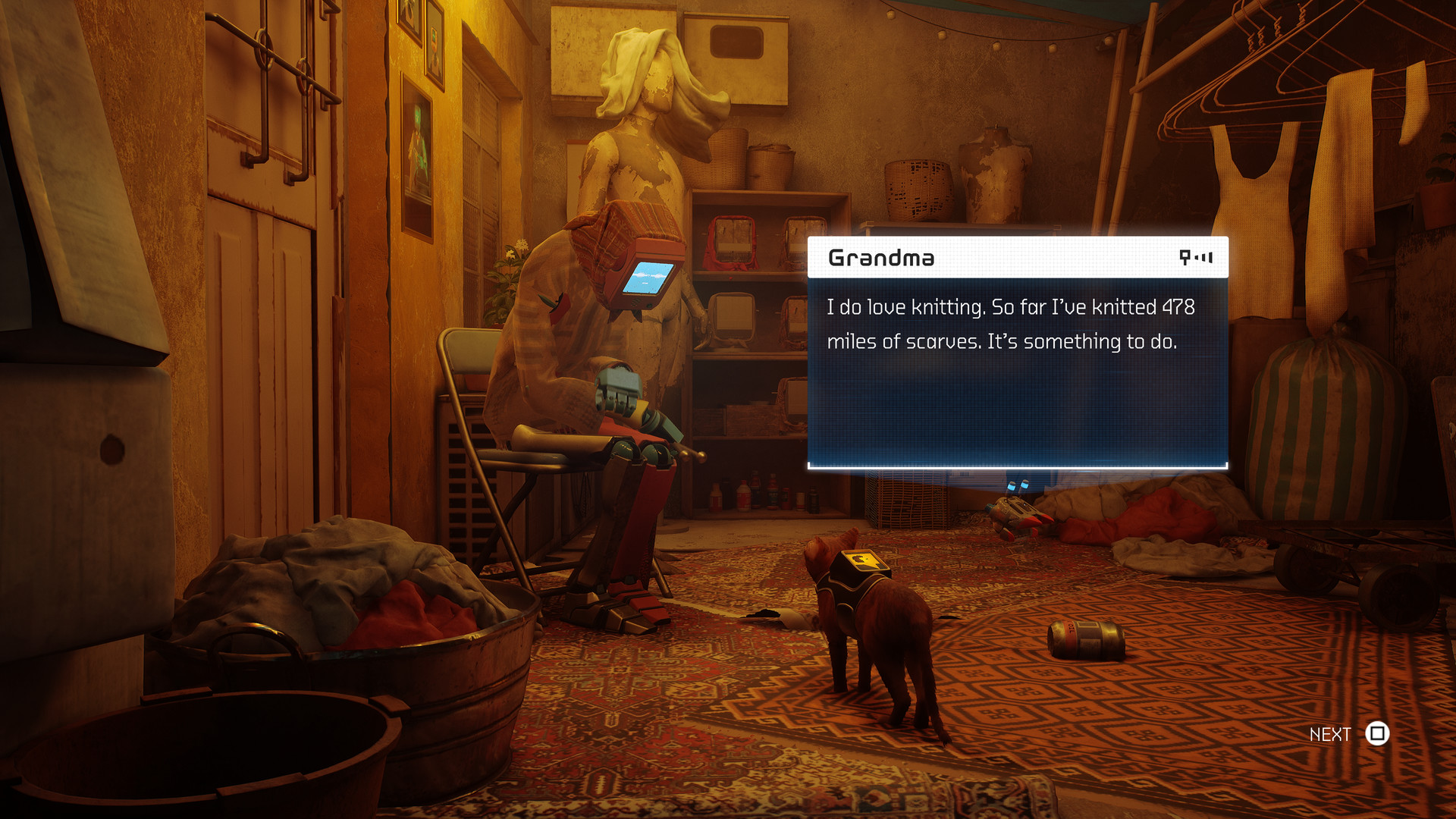
Pattern recognition becomes so automatic that many players barely notice what they are doing. They learn to make predictions based on limited information because games reward that behaviour. A strategy game teaches patience and long-term planning. A puzzle game teaches rule deduction. A competitive shooter teaches the importance of positional advantage and timing windows. Each genre strengthens a different type of pattern-based reasoning.
This is why gamers often adapt to new games faster than beginners. They are not only learning mechanics but comparing them to patterns they have seen before. Even when the theme or setting changes, the underlying systems feel familiar. Their brain recognises a template.
The Broader Cognitive Value of Gaming
These skills extend far beyond interactive entertainment. Apart from simple observation, they are quick to catch trends that happen in everyday life. They develop good spatial awareness, smoothen their multitasking, and quicken reaction times. Even off-screen, they get good at noticing when things do not line up or when a sequence is about to turn.
Research into gaming and cognition supports this. Players consistently show improvement in decision making, memory, and adaptability. Pattern recognition isn’t just a gaming edge, it’s a lifelong tool.
Why this Skill Will Matter More in the Future
The more complex games become, the more important pattern recognition will be. Adaptive AI, procedural generation, and evolving PC and console combat systems all require the player to process information quickly and come up with creative responses. The better you are at recognizing patterns, the more you’re going to thrive in today’s game worlds.
Gaming isn’t a passive pastime anymore: it’s a form of interactive training that strengthens the brain. And while gamers may not call themselves analysts, strategists, and problem solvers, their play habits tell a similar story. People who game have always read patterns better than most people. They’ve always done so. And in a world that grows more intricate by the day, that skill is increasingly valuable.
For the latest gaming news, follow GameWatcher on BlueSky, check out our videos on YouTube. We sometimes include affiliate links in our posts, which grants us a small commission, thank you. Please support independent Games Media. ❤️