
The modern world is shaping new forms of leisure, and professional esports has become one of the most influential elements of mass culture. Millions of fans spend hours in front of their screens watching epic battles unfold in virtual worlds. However, such passion is often accompanied by a sedentary lifestyle. Long periods spent in one position and excessive visual strain can negatively affect a fan’s physical and mental condition. To ensure that watching tournaments brings only excitement and enjoyment, it is important to develop healthy habits that help maintain energy and productivity. This article will help you find a balance between enthusiasm for digital competitions and caring for your own well-being.
Ergonomics and Eye Care
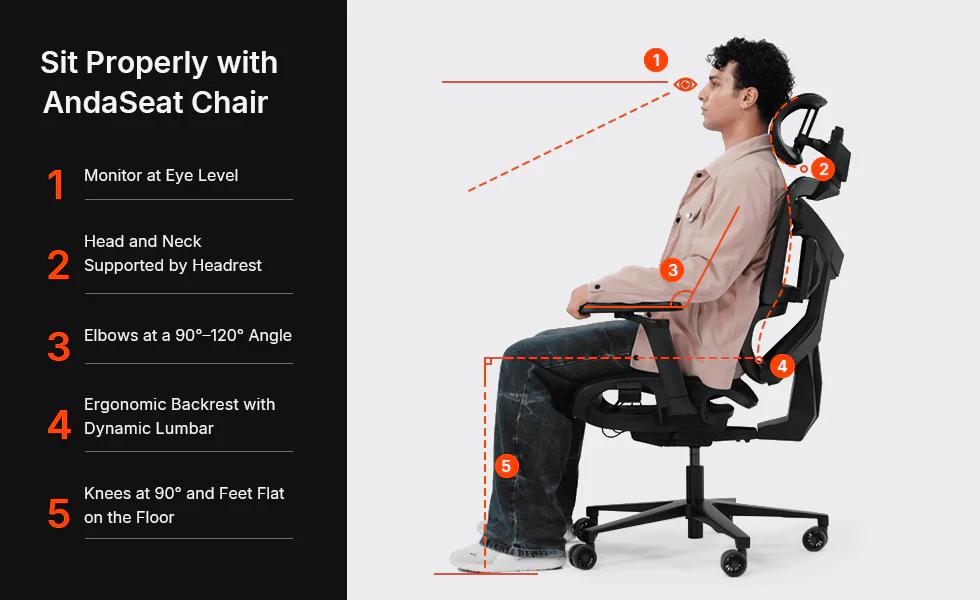
The first step toward healthy spectating is properly organizing your space in front of the monitor. Many fans do not notice how quickly hours pass while they check League of Legends live scores or follow a decisive match, which creates significant strain on the spine. It is important to keep the screen at eye level and use a chair with lumbar support to prevent chronic neck and back pain.
In addition to posture, eye health requires special attention, as eyes quickly become fatigued from the bright light of screens. A useful method is the “20-20-20 rule”: every 20 minutes, look at something 20 feet away for 20 seconds to relax the eye muscles. Such simple adjustments to your environment, combined with regular visual breaks, help maintain concentration throughout a broadcast without harming your well-being.
Physical Activity and Combating Sedentary Behavior
The issue of a sedentary lifestyle is particularly significant within the esports audience. Spending long hours in one position can lead to lymph stagnation and reduced venous circulation in the legs. For fans of professional digital sports, physical exercise should become a natural part of watching broadcasts. An effective strategy is to introduce “micro-workouts” during every technical pause or break between maps. Instead of scrolling through social media while commentators discuss the results, try a short series of stretches, squats, or shoulder exercises.
It is also worth paying attention to developing fine motor skills and wrist flexibility. Even if you are only a spectator, constant use of a mouse and keyboard in daily life combined with emotional tension while watching matches can contribute to carpal tunnel syndrome. Special hand exercises—such as squeezing a hand gripper, rotating the wrists, or stretching the fingers—help maintain ligament elasticity. This is especially important during intense matches where fans instinctively clench their fists in excitement.
To compensate for long periods of sitting during weekends, when the final stages of major tournaments usually take place, it is essential to include proper cardio activity. An hour of swimming, jogging, or a brisk walk outdoors after the end of a match day can help “reset” the cardiovascular system. This not only improves physical health but also helps the brain process the large amount of visual information received, turning the emotional experience of watching into pleasant memories rather than fatigue.
Nutrition Culture and Energy Balance
The dietary habits of esports fans are often influenced by advertising for snacks and energy drinks that promise instant energy. In reality, excessive sugar and caffeine only create the illusion of energy followed by a sharp metabolic crash. To maintain attention during long broadcasts, it is essential to keep blood glucose levels stable. This can be achieved by consuming complex carbohydrates and proteins. Instead of a bag of chips during a match, consider preparing a plate of vegetables with hummus, nuts, or low-fat cheese.
Hydration is equally important. Even mild dehydration of 1–2% can significantly reduce cognitive performance, impair memory, and slow information processing speed. When you follow complex in-game strategies, your brain operates at high intensity and requires resources. Water acts as the primary transporter of nutrients and oxygen to brain cells. A good habit is to keep a large bottle of clean water on your desk and take a few sips every 15 minutes, regardless of whether you feel thirsty.
Energy drinks also deserve special attention. Although they are popular within the community, excessive consumption can strain the heart and deplete cellular energy resources. If you need a stimulant, it is better to choose quality coffee or green tea, which contain antioxidants and provide a smoother rise and fall of energy levels. Additionally, try not to eat directly in front of the screen. When attention is fully absorbed by the match, the brain often fails to register signals of satiety from the stomach, which can lead to overeating. Instead, dedicate about 15 minutes to a proper meal away from the screen to allow the digestive system to function normally.
Mental Hygiene and Sleep Recovery
Esports is a field filled with intense emotions. The joy of a favorite player’s victory or disappointment after a mistake can trigger strong hormonal responses. For the mental well-being of fans, it is important to learn to separate the game from real life. Excessive identification with a team’s results can lead to emotional burnout and increased irritability. Practicing “grounding” techniques after matches can help: spend time on hobbies unrelated to screens, talk with family members, or simply sit in silence. This allows the nervous system to return to a balanced state.
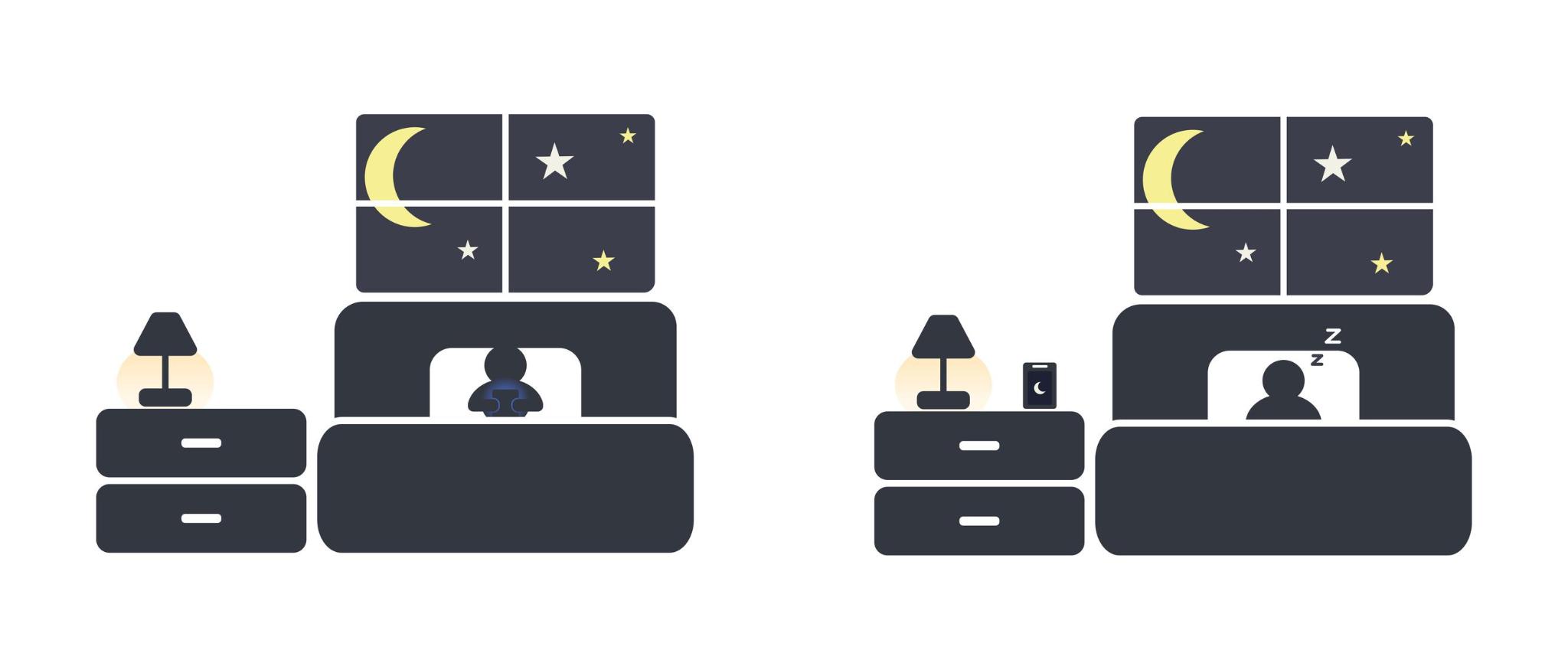
Sleep is the most important recovery tool, yet it is often neglected by fans of digital competitions. Because tournaments frequently take place in different time zones—such as the United States or South Korea—European viewers may stay awake all night to watch them. Chronic sleep deprivation weakens the immune system and increases the risk of depression. If you plan to watch a late-night grand final, prepare for it by taking a short nap of 20–90 minutes beforehand and ensuring complete darkness in your room when you go to sleep later.
It is also important to remember the impact of screen time on sleep quality. Blue light interferes with the body’s natural transition into rest mode. Ideally, you should stop using gadgets an hour before bedtime. However, if you watch a match until the very last moment, taking a warm shower or doing light stretching before going to bed can help reduce cortisol levels. Healthy sleep not only restores energy but also improves memory consolidation, allowing you to better remember interesting strategies and key moments from the broadcast.
Conclusion
In conclusion, harmoniously combining a passion for esports with care for your own body is the key to long-term and enjoyable spectating. Implementing simple habits—such as proper ergonomics, short physical breaks, balanced nutrition, and quality sleep—helps minimize the risks associated with a sedentary lifestyle while maintaining high concentration during broadcasts. A healthy approach turns watching matches into a source of pure enjoyment, ensuring that you remain an energetic fan for many gaming seasons to come while maintaining excellent well-being in real life.
For the latest gaming news, follow GameWatcher on BlueSky, check out our videos on YouTube. We sometimes include affiliate links in our posts, which grants us a small commission, thank you. Please support independent Games Media. ❤️