There’s no doubt that the video games industry is one of the most cut throat places to work. With so much money riding on unproven products, the failure to perform first time around can be all that’s needed to see you out the door. Big budget games still dwarf the thriving indie scene and with the huge marketing spend behind them, look to for many years to come. It’s an entertainment medium where you’ve got one shot to get everything on target. Fail and it’s game over.
This year’s E3 conference demonstrated how proven franchises are continuing to dominate gaming. The new intellectual properties on show were scarce, especially when compared to the onslaught of sequels showcased during the big conferences.

Is this really a surprise though? Senior management wants the big bucks, as does the distribution channel, shareholders and upper level financiers. After all, it’s this core concept which drives a product’s development and sale strategy. Make a fantastic product, tweak it with updates, eventually reboot it and start the cycle all over again.
Critical acclaim still refuses to correlate amicably with actual sales numbers. This means that publishers are happy to let a series get stale as long as the money keeps rolling in. While this is detrimental to the industry, and to the developers being driven to make these games, it’s not until a franchise tails off that people take note and decide new ideas are necessary. That doesn’t mean a new genre or pushing the boundaries, it could just be another shooter.
The studios that suffer are the ones with the concepts, ideas and drive, but the inability to live up to the huge expectation already placed on them. This could be down to a variety of issues – extreme competition, an oversaturated market, misdirection, poor writing, or dire management of time. The list goes on. Long standing studios have always come and gone, but in the last few years more and more have worryingly fallen to the wayside. Even worse are those that haven’t had the chance to demonstrate their quality past one game.
It’s like the Chelsea syndrome. Don’t provide a manager with enough time; they can’t create insta-success. You’re left with an expensive mistake and no closer to the trophy you covert.
THQue?
This mis-thinking happened last week when THQ announced the immediate closure of two of its studios. Both Kaos and THQ Digital Warrington, based in the UK, had been judged inadequate before being culled from the company books.
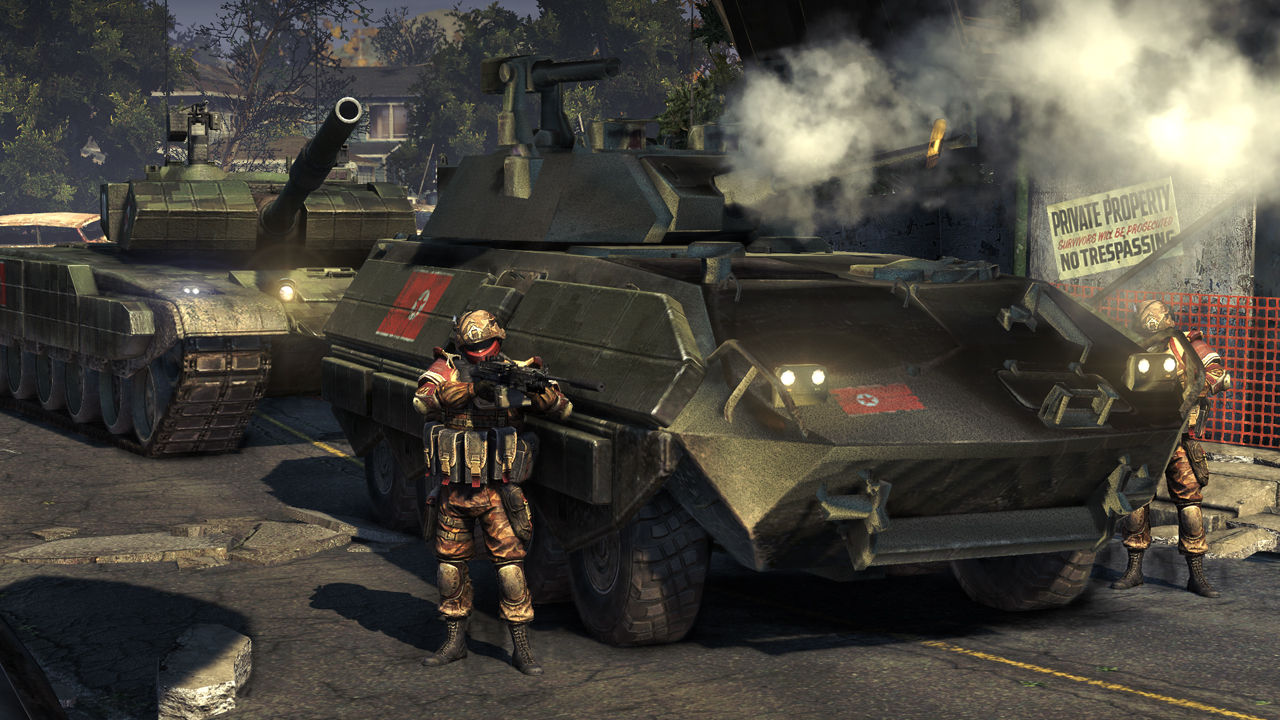
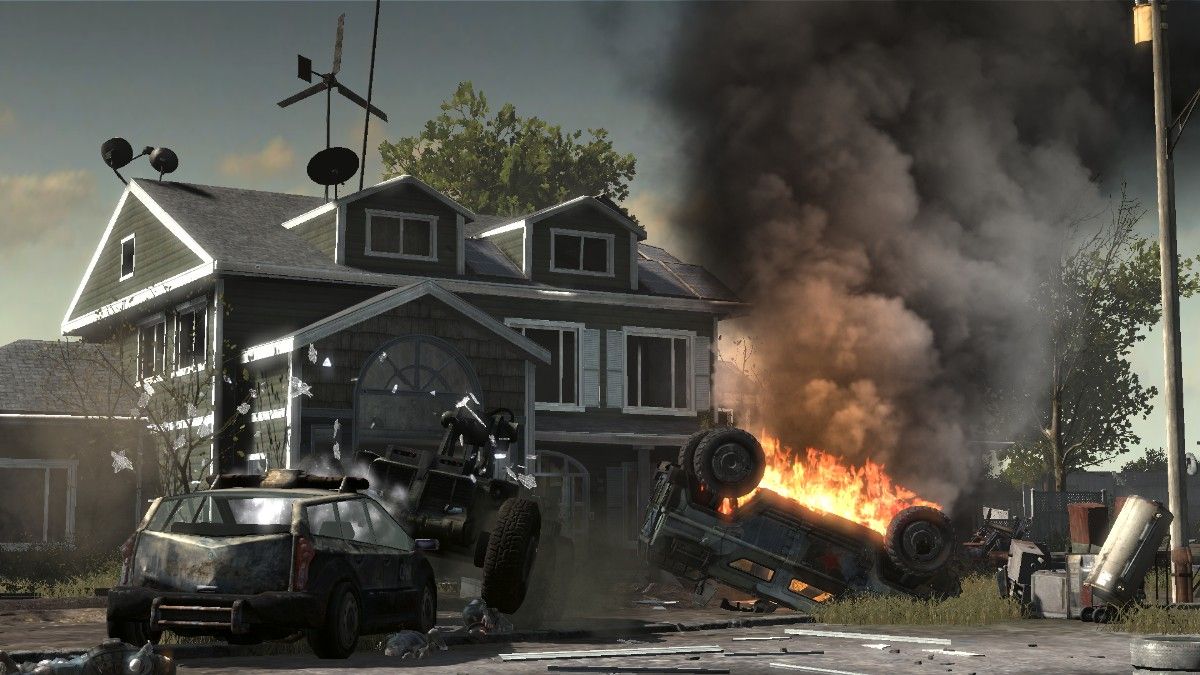
Their games have already been handed to other internal teams and corporate restructuring has already come and gone. With New York based Kaos it was Homefront, the ambitious, alternative future FPS which failed to shake cries of ‘Call of Duty clone’. The marketing presence of Homefront was huge and it obviously failed to live up to expectation. Then again, with Kaos’ prior pedigree being Frontlines: Fuel of War – another ambitious, but generic shooter – it’s hardly that much of a surprise.
The staff were given the option to relocate to THQ’s Montreal studio, or face redundancy. It isn’t all doom and gloom though because those willing to take up the move will still be employed by THQ. Tax breaks from Quebec are thought to be the thinking behind the reallocation of resources.
So, at face value, a mere closing of one name and the creation of another – nothing to worry about, right?
Suggestions vented in January suggest otherwise. Also, asking members to relocate is often a sure fire way of spreading discontent and devaluing those that work for you. The criticism has come from far and wide. Just Cause developers Avalanche has already criticised THQ’s choice, stating that:
”We (MD David Grijns) think Kaos and New York City as a whole deserved better than this. We will certainly be interviewing many of them for our open positions and doing what we can do to help”
Rival comment aside, it isn’t as harsh as THQ’s closure of Digital Warrington. The UK gaming industry is already suffering hard from the removal of promised tax breaks, a resurgence of mainstream media scrutiny and consumer spending that’s failing to recover from the recession.
Digital Warrington, or more commonly known as Juice Games, was producing the downloadable Warhammer 40K: Kill Team, having previously developed Red Faction: Battlegrounds. The UK’s body, TIGA, were quick to blame the issue of tax breaks. Gamers were moaning that Juice Games didn’t actually make anything of quality. Sales of their first game Juiced were lukewarm, as were the figures for its sequel.
Homefront might live on, under the leading hand of another internal development force, but something’s not right at THQ.
Recruiting Trouble
No sooner had the above announcements passed, had THQ announced it was holding open days for development staff. Staff retention is a hot topic at the moment in all sectors, so letting people go before instantly hiring new blood is an odd choice.
Responses from THQ themselves were shady at best and they refused to comment past a standard press release. They announced they were making a “strategic realignment within its internal studio structure,” and that it continues to align “the best industry talent with the company’s marquee franchises.” It’s certainly had some hit titles and it holds the keys to some very popular franchises, but it’s definitely not the market leader with any of its development. It’s seemingly happy to plod along, with Warhammer driving the majority of its fanbase.
In fact a brief look at its share value can work wonders. When Homefront released its share price dropped an astonishing 20% in just 24 hours. That was in March, when its dollar value was at $4.75. Fast forward to now and it stopped trading on the NasdaqGS at $3.45. That’s hardly a recovery and if anything, even with the current state of the global markets, it’s even more worrying.
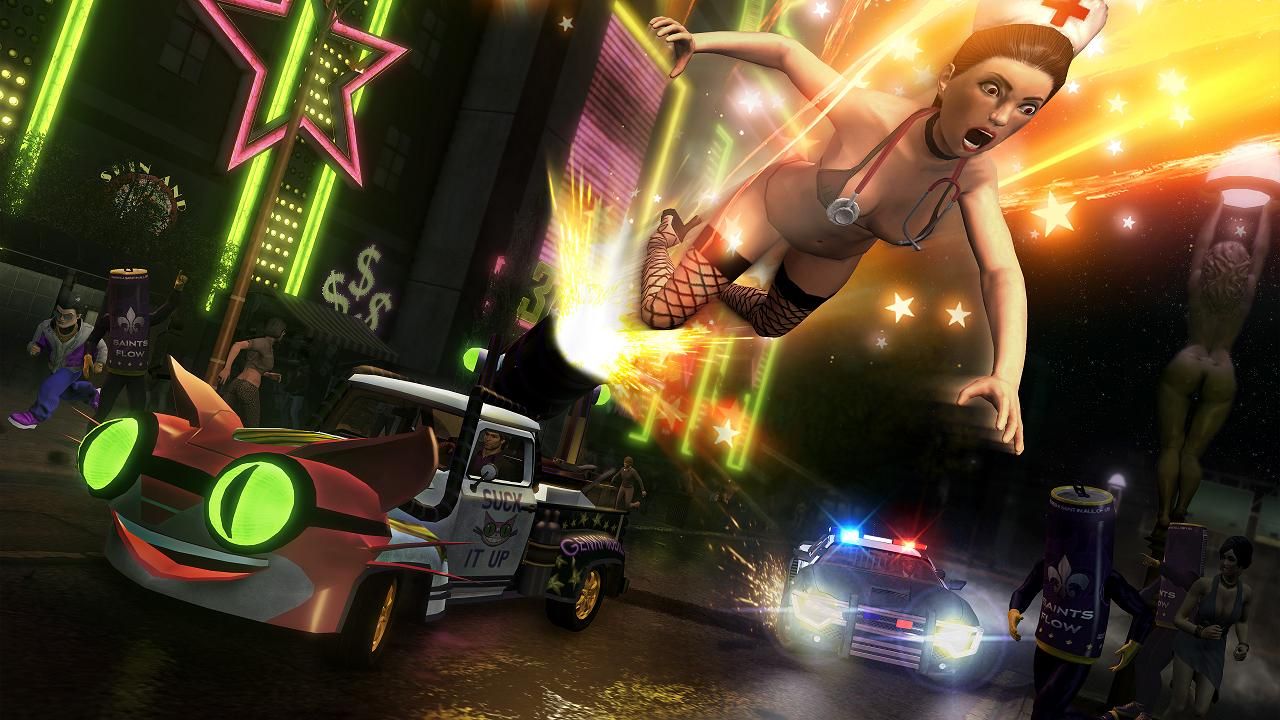
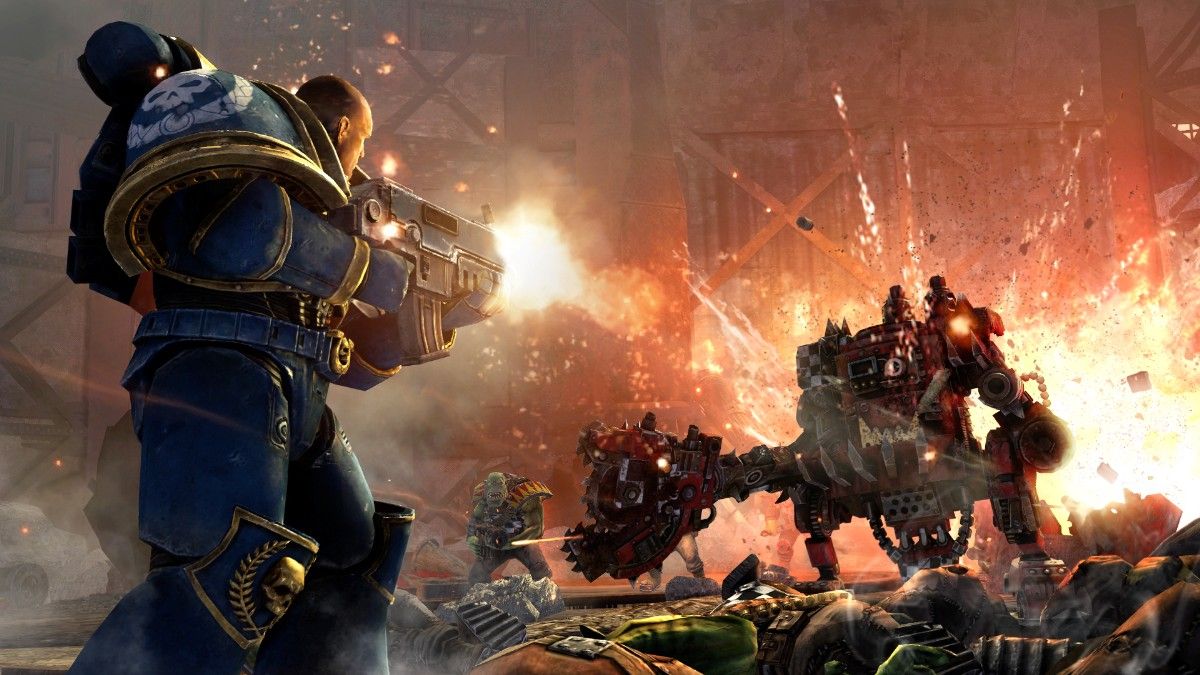
Furthermore, in the last four years THQ has closed, or sold, twelve internal development studios / partner agencies. Linking that to its games, a 2011 release schedule only really has Saints Row 3, and Warhammer 40,000: Space Marine as leading franchises. They also hold the poplar UFC and WWE sports games, but the licence fees every year are equally detrimental to potential profit.
Providing a definitive analysis of THQ’s recent closures is difficult when you’re unable to talk to anyone at corporate and those made redundant are unwilling to comment in fear of job hunting cannibalisation. What is sure is that the future for THQ is unsure. Realignment of resources is executive speak for troubling turnover, overspending and flagging sales. Homefront obviously failed with what it was expected to do, but the promise of a sequel suggests it can’t have done that bad.
Time will tell, but things aren’t as hunky dory as the surface suggests.