There is a particular kind of player who starts an RPG with good intentions. They log in after work, explore for an hour, maybe complete a quest or two, and log off feeling satisfied. Then something shifts. A friend mentions an endgame boss. A Reddit thread reveals a crafting system they never knew existed. Suddenly the horizon looks much further away, and the casual playthrough starts pulling in a different direction entirely.
Moving from a relaxed relationship with a game to a deeper, more committed one is a natural progression — but it comes with real risks. Burnout in gaming is not a myth. It happens when the gap between where a player is and where they want to be starts to feel like a burden rather than a challenge. Understanding how to close that gap at a pace that stays enjoyable is one of the more underrated skills in long-term gaming.
Know What You Are Actually Chasing
The first thing worth figuring out is what “going deeper” actually means to you personally. For some players, it means mastering combat mechanics — learning the timing of dodges, the priorities of skill rotations, the logic behind builds that seem impenetrable at first glance. For others, it means engaging with the story at a level they previously skipped, reading item descriptions, paying attention to NPC dialogue, understanding the lore that sits beneath the surface.
For a third group, the draw is the economy and progression systems — the crafting trees, resource loops, currency exchanges, and market dynamics that make a living game feel like a world with its own internal logic.
None of these directions is more valid than another. But if you try to pursue all of them at once without a clear sense of priority, the weight of it tends to become discouraging fast. Picking one thread to follow first gives the experience shape.
Treat Progression as a Series of Smaller Arcs
One of the most common mistakes players make when trying to go from casual to serious is treating the journey as a single long climb. That framing makes the distance feel enormous before you have even started.
A more workable approach is to divide the overall experience into contained arcs — each with its own beginning, middle, and natural stopping point. In a game like Diablo 4, for example, this might mean dedicating a week to understanding the Paragon board before touching glyph optimization. Once that clicks, the next arc begins. Progress compounds, but it arrives in digestible pieces.
This approach also makes it easier to step back when life gets busy. If you are between arcs rather than mid-climb on something that feels unfinished, taking a few days away does not carry the same psychological weight. You left at a clean point; returning feels like picking up a good book rather than catching up on missed homework.
Build Knowledge Gradually, Not All at Once
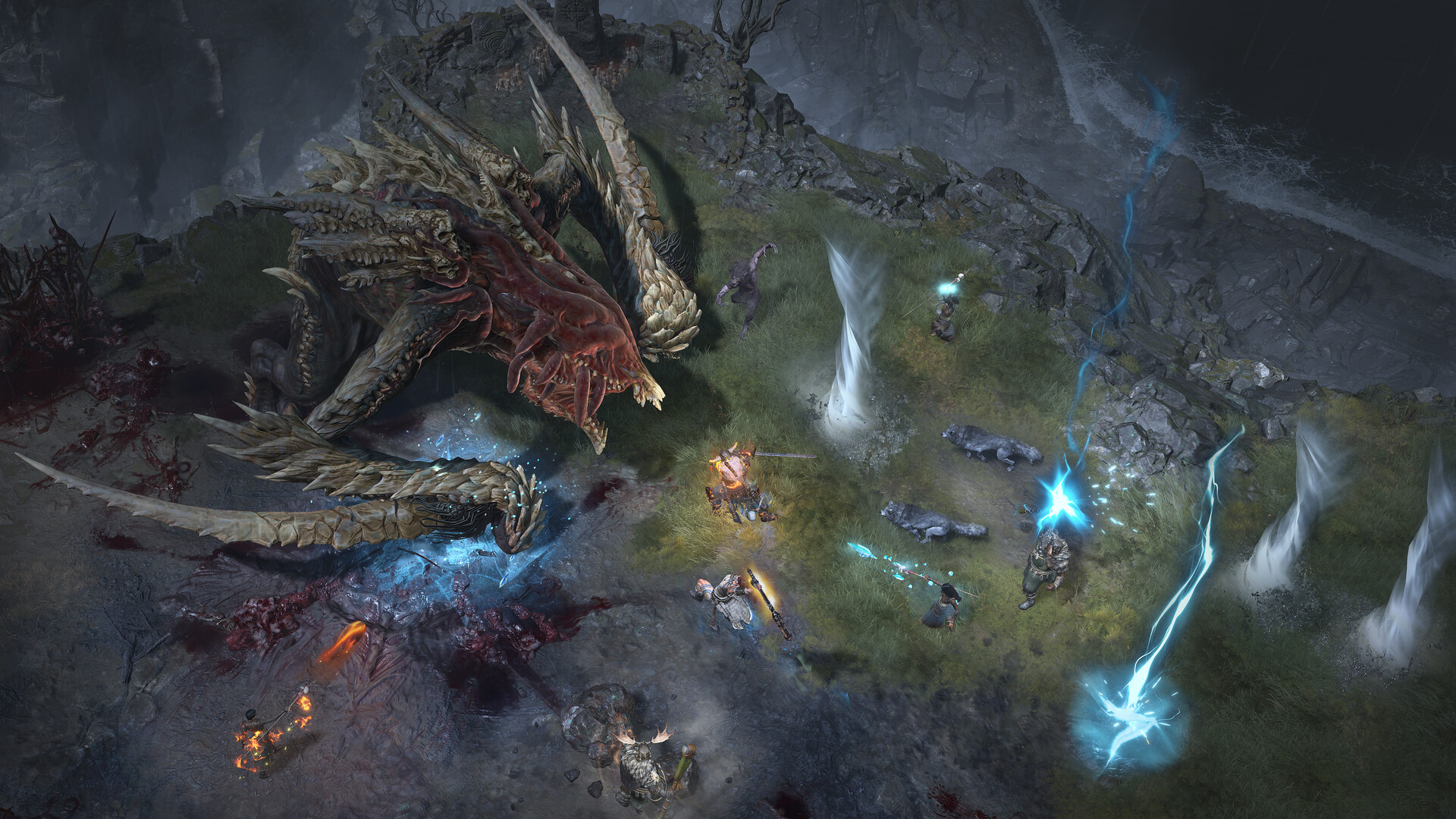
The depth of most modern RPGs is genuinely staggering. A fully realized build guide for an endgame character in Diablo 4 can run thousands of words, referencing item affixes, skill synergies, seasonal mechanics, and gearing priorities that require context to understand.
Reading that guide before you have played enough to recognize what it is describing is usually counterproductive. The information does not land because there is no experience to attach it to.
A better path is to let understanding arrive through play first, then use guides and community resources to fill in the gaps. When something in the game prompts a question — why does this skill hit harder with this specific item? — that is the right moment to look for an answer. Learning driven by genuine curiosity tends to stick in a way that front-loaded research rarely does.
Communities built around specific games are often the best place for this kind of contextual learning. Forums, Discord servers, and dedicated platforms where experienced players discuss mechanics tend to offer more accessible explanations than dense guides, because real conversations adapt to the question being asked.
Manage the Resource Gap Honestly
One practical pressure that casual players often underestimate when they decide to go deeper is the resource gap. Endgame content in most RPGs is gated, at least partially, by having the right gear, currency, or crafting materials. Players who have been casual for months may find themselves starting from a position that feels discouraging relative to where the content demands they be.
This is not a personal failure — it is just how these games are structured. The question is how to handle it without either grinding in ways that feel joyless or giving up before the interesting parts begin.
Some players choose to work through the gap systematically, focusing on the most efficient activities for resource generation and treating it as its own kind of puzzle. Others prefer to use external resources to bridge specific shortfalls — platforms like RPGstash exist within the broader gaming community as a way for players to source currencies or materials without investing hundreds of hours into content they find repetitive. Both approaches are legitimate; the right one depends on what actually makes the game enjoyable for the person playing it.
Protect the Enjoyment Deliberately
Going hardcore does not mean playing without limits. The players who sustain long-term engagement with difficult, deep games are rarely the ones who push hardest in the shortest time. They are the ones who have learned to read their own relationship with the game and adjust accordingly.
Warning signs worth paying attention to: logging in out of obligation rather than interest, feeling frustrated by normal setbacks rather than challenged by them, spending more time reading about the game than actually playing it. Any of these can signal that the pace needs to slow down before it tips into something that kills the motivation entirely.
Building in natural pauses — finishing a season, completing a major questline, reaching a gear milestone — and then stepping back to assess whether the game still feels good is a habit that protects the long game. Taking a week away and coming back to find genuine excitement is worth far more than pushing through to a burnout that leaves the game uninstalled.
The Long View Is the Right View
The most rewarding RPG experiences tend to stretch across months or years, not sessions. The players who get the most out of them are not necessarily the most skilled or the most dedicated — they are the ones who have found a pace that keeps the experience feeling worth returning to.
Moving from casual to serious is not a single decision. It is a series of small adjustments, made over time, in response to what the game is offering and what you actually want from it. Done right, it is one of the more satisfying progressions a hobby can offer.
For the latest gaming news, follow GameWatcher on BlueSky, check out our videos on YouTube. We sometimes include affiliate links in our posts, which grants us a small commission, thank you. Please support independent Games Media. ❤️