I only ever tried to pirate a game once. The game was Entomorph: Plague of the Darkfall, a 1995 isometric RPG about which I can only remember two things, it involved punching a lot of giant insects to death, and I really enjoyed playing it when I was a kid. I still retain the game CD, but it no longer works, hence my attempt to download a cracked version of the game. Unfortunately, that didn’t work either, and since then I’ve never really felt the desire to make another foray into gaming’s seedy underbelly. My reasoning for the dismissal of pirated games follows:
1)Piracy is stealing, and therefore wrong.
2)When I buy a game, I own it, whereas if I pirate it, I do not.
3)The games industry provides a better quality product than the pirates.
4)By purchasing the game, I help the games industry flourish, by stealing it, I hinder the industry’s development.
However, Ubisoft’s recent DRM debacle has led me to question every one of these assertions.
For those of you who spent the last week trapped in a crevasse, let me briefly sketch out the aforementioned series of events. In January, Ubisoft announced that all of their subsequent PC releases would be packaged with a new type of Digital Rights Management, which would require a constant internet connection in order to play the game. If your Internet connection stops, you are booted from the game. This includes single-player games like Silent Hunter 5 and Assassin’s Creed 2.
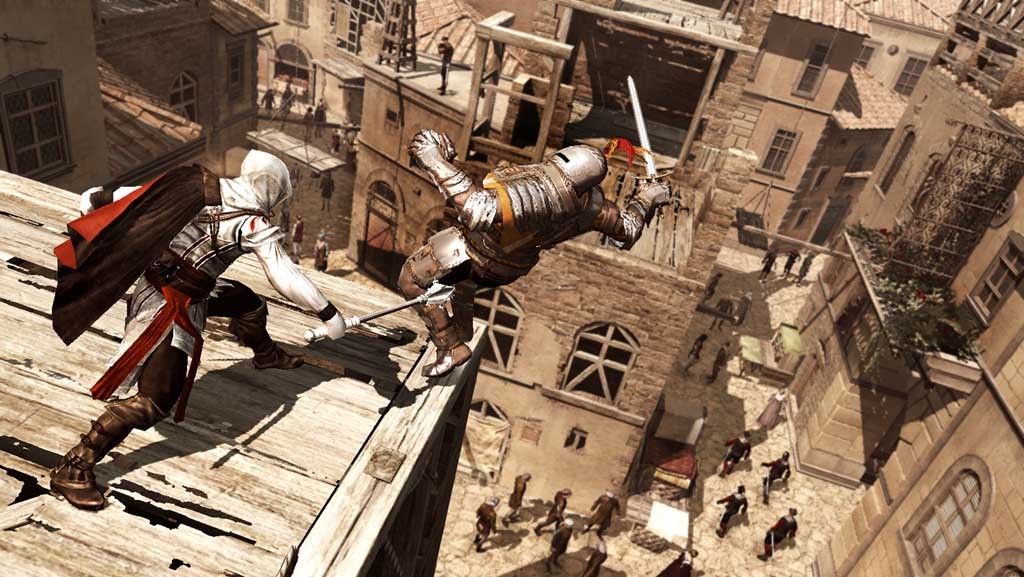 You’re going down, guard! Just like Ubisoft’s servers!
Understandably, PC gamers worldwide uniformly spat viscous globules of verbal acid in Ubisoft’s direction, but to no avail. Ubisoft have persisted with their DRM. On the day of release for Assassin’s Creed 2, Ubisoft’s servers which monitor the DRM went down. The result was that, for several days after release, legitimate purchasers of these games were unable to play the game. In contrast, everyone who had pirated these games were able to play without a hitch.
From this, it’s difficult to justify the claim that the company provides a better service than the pirates. Imagine if you bought a newspaper, only to find that you couldn’t open it for the next two days, or spent a week waiting for that DVD you bought to “unlock” before you could watch it.
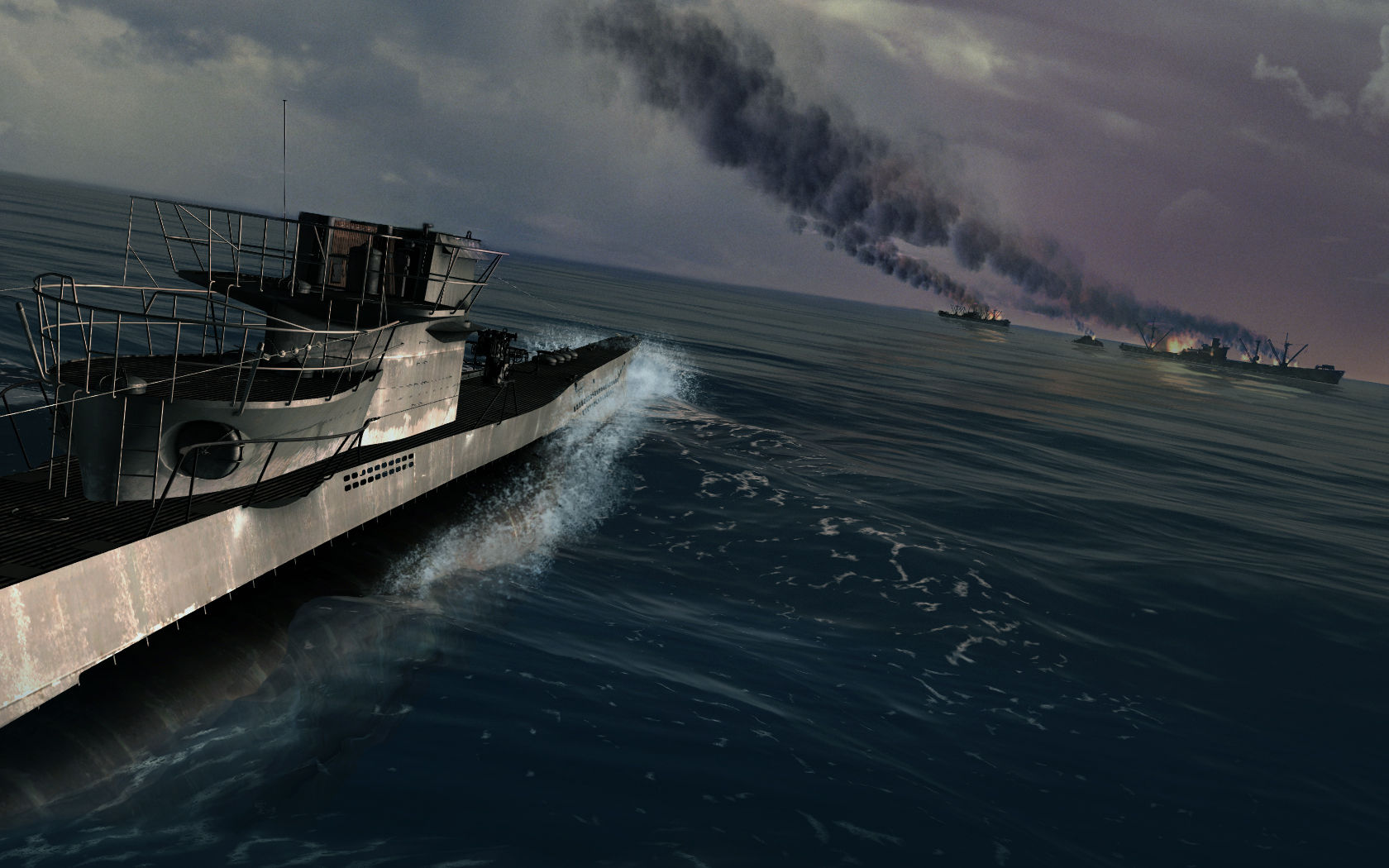 When their constant Internet connection DRM failed, Ubisoft resorted to more drastic measures
This isn’t the first time Ubisoft have made a grave DRM error either, when Rainbow Six: Vegas 2 was released in 2008, many users who downloaded the game found they were unable to play it because of a CD check built into the software. Ubisoft’s solution to this was to release a crack created by a warez group so that legitimate owners (now technically illegitimate due to their use of the crack) could play the game.
Not only has Ubisoft’s DRM been shown to be severely flawed, it also prevents the consumer from selling on the game once they have finished it, despite the fact that one of the major perks of the DRM Ubisoft has flaunted is that you can install the game as many times as you like, on as many machines as you like. This is because your game is attached to your Ubisoft account, which is non-transferable to other players.
The games industry’s attitude towards the second-hand market seems unnecessarily draconian. After all, everything has a second-hand market. Can you imagine if books automatically glued themselves to your hands once you had finished reading them, just to prevent you taking them to the charity shop? So why do companies like Ubisoft think they have the right to crush the second-hand market under its big Monty-Python-esque foot? The reason is simple – when you pay money for a game, you don’t actually own it.
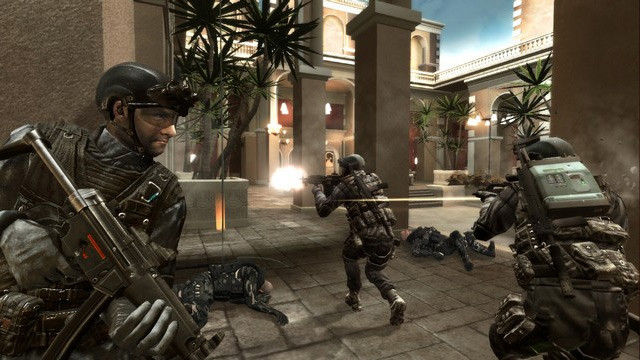 Rainbow Six: Vegas 2 – forcing legitimate customers into piracy since 2008
Before you install any PC game, it will ask you to agree to the Terms of Use, also called the License Agreement. In short, when you buy a game, you don’t buy the game. Instead you buy a license which allows you to use the software, but everything contained on the disk remains the property of the company. Obviously, the reason for this it to protect the copyright of the game’s creator, yet it seems a strange scenario when the law cannot attribute individual copies of the game to individual owners, with the copyright remaining with the copyright holder. As a result of the consumer not owning their copy of a game, publishers can put whatever statutes they like in their Terms of Use, which includes forcing the consumer to agree to using DRM which prevents them from selling on the game.
There are other statutes which are downright bizarre. According to the User License Agreement of Far Cry 2, it is not permitted to use the game “contrary to morality”. What exactly are the publishers (coincidentally Ubisoft) protecting themselves against here? Am I not to conceive with my game out of wedlock? Unless Ubisoft have become the official arbiters of morality, I do not see how they have any right to A) state what morality consists of, or B) determine how the consumer uses his game in relation to morality. If Ubisoft want to play the morality card, then we must ask whether it is moral for a person to pay money for a product which they cannot own, and whether it is moral to treat your entire customer base as guilty until proven innocent by creating a DRM system which verges on the Orwellian.
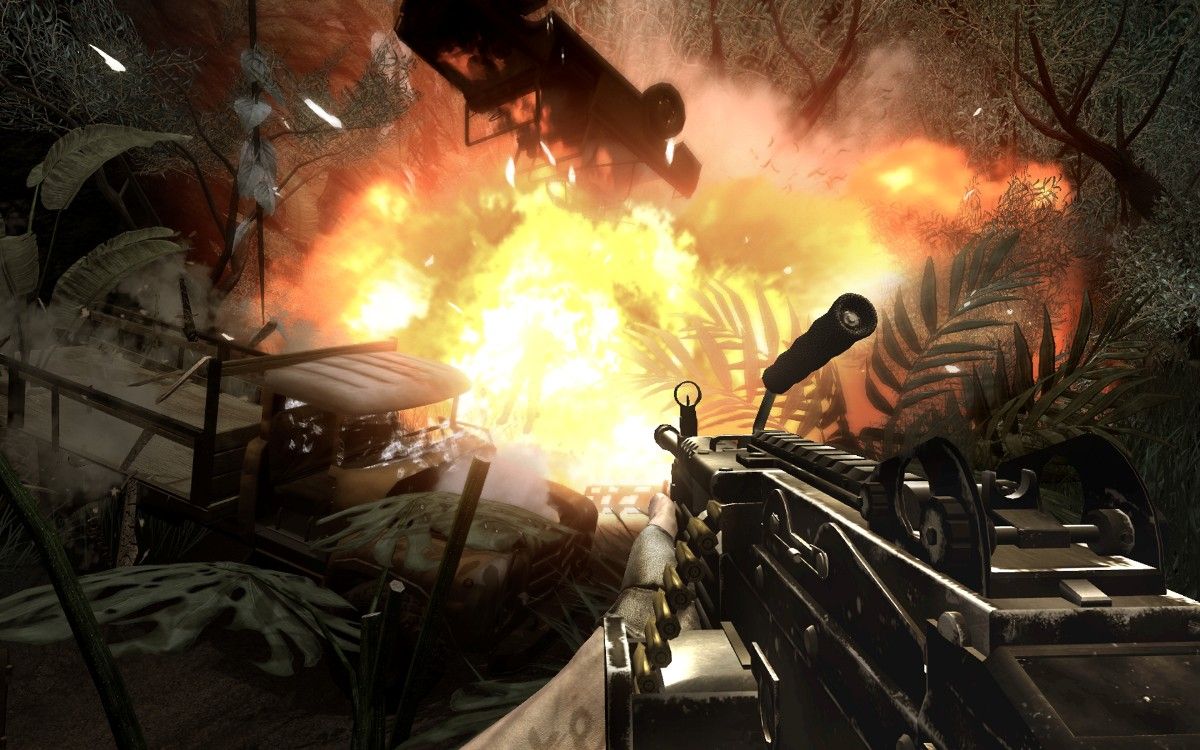 Far Cry 2: You can play it, but you’d better not try and have a threesome with it.
I may have made Ubisoft something of a scapegoat here. They are far from the only company creating DRM systems like this (EA have something very similar for Command and Conquer 4). More importantly, a lot of the problems reside in the vagueness of copyright law and its relation to terms of fair use and fair dealing. Nevertheless, if my years of supporting the games industry only result in increasingly intrusive DRM systems that treat me like a criminal, then I have to question whether that support should be withdrawn.
Which brings me to my original point, is it right for me to pirate Assassin’s Creed 2 as a response to this DRM? The answer is categorically no, because all that serves to do is exacerbate the problem. It’s the old adage – two wrongs do not make a right, and pirating games, even if it’s out of principle only serves to justify measures like Ubisoft’s new DRM. If you have an issue with the DRM, then the most appropriate response is not to purchase the game, at all, on any platform. Games publishers are there to make a profit, and as long as they continue doing so, their tactics and attitude towards the consumer will not change.