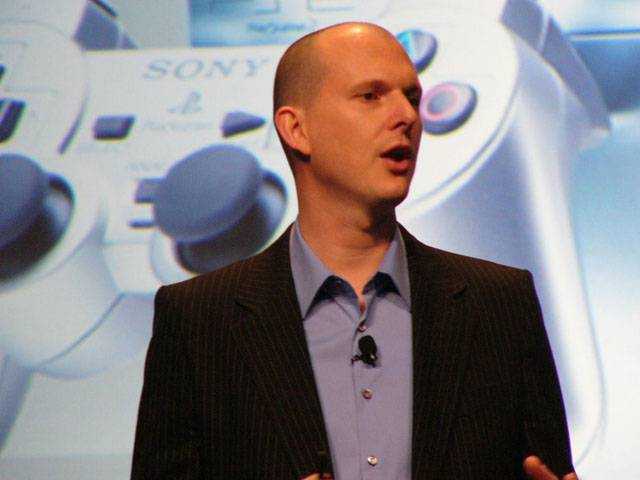
“I think by and large we’re moving towards a free-to-play business model where the entry point is going to be free and you’re monetizing the engagement.”
“70-90 percent will be playing for free, but that other percent will make the game far more profitable than you could ever get selling it in the shop.”
Harrison went on to comment that those thinking they can make a profit via hardware licensing may be out of luck.
“I think the era of the console where hardware companies spend $3-4 billion to build a chipset and then it’s supported on a tax on the software – that’s the business model of the last 25-30 years – that’s over,” reported Eurogamer.
“The new business model is going to become a combination of retail and services, and it’s going to be an interesting decision for the likes of Microsoft, Sony and Nintendo, is the next console race about chips and CPU, clock speed and graphics, or is it about business models and monetization and discovery, and I think it’s probably going to be about the latter.”
Harrison also concluded that crunch time is no longer a problem for developers.
“Crunch is a relic of the 20th Century. Products have crunch, services have a constant hum.”
“If you’re building products for Blu-ray or DVD or a particular release date, we always talk about ‘finishing’ them with a crescendo of energy and activity. But a service is when you launch, it’s when you start. Services have their own updates and crunch therefore should disappear in the future.”