Most games stick to familiar ground. You’re the hero, you fight the big bad, collect the key items, and save the world. You’ve seen it a hundred times. That structure works, but it gets old fast. Games with strange or unexpected storytelling are different.
They twist the format, bend the rules, and sometimes throw them out completely. Some talk back to you, some make fun of the game itself. Others don’t explain anything and let you figure it out on your own.
How This List Works
Games in the ranking made the cut based on their story mechanics. That includes how original the narrative structure is, how well it pulls you into its world, how well it uses humor or meta tricks, and whether it left a mark on gaming culture. Some took big swings and missed parts of the landing. Others became instant references for how weird games can get.
#1 High on Life: The FPS Where the Guns Won’t Shut Up
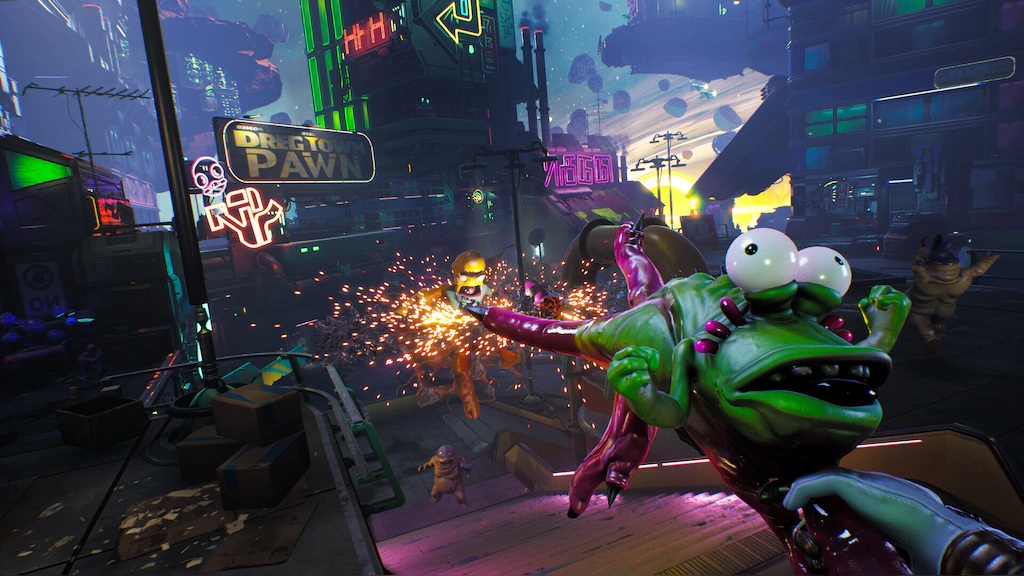
High on Life is a shooter, technically. But what carries the game is the nonstop dialogue from your weapons, the aliens called Gatlians. Every step triggers some new line, some bizarre rant, some moment of improv comedy that feels just loose enough to be believable. It’s not just ambient chatter either. These guns comment on your decisions, your mistakes, and your refusal to move.
You’re being judged constantly. Some scenes exist purely to see how you react. Others break the fourth wall and point directly at you. The game plays like a fever dream, but the structure underneath it is solid. The pacing follows standard shooter design, but every familiar element is dressed in chaos. That mismatch is part of what makes it work.
#2 Portal: A Puzzle Game With a Personality Disorder
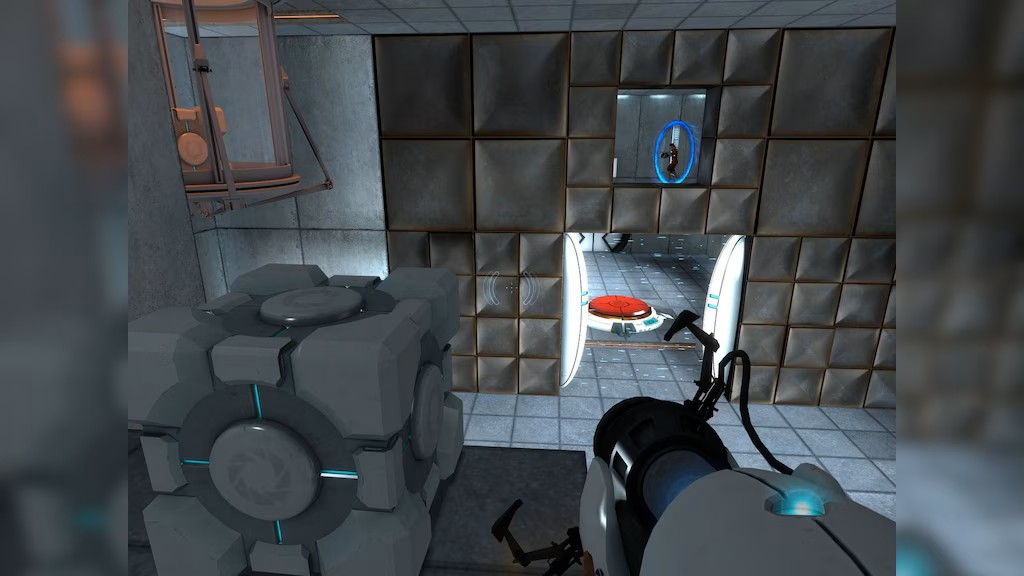
Portal is a puzzle game where the puzzles matter less than the tone. You’re solving problems with the portal gun, yes, but every moment is layered with tension because of GLaDOS. She’s supposed to be helping you, but she’s not. Her comments swing from friendly to homicidal, and you’re never quite sure where the next test ends and the real threat begins.
Storytelling comes through the environment and the tone of the writing. Portal doesn’t stop to explain its world. It lets you notice the cracks. Hidden rooms, creepy messages, a cake promise that becomes a running joke. It’s quiet, but unsettling. You go in expecting clean logic puzzles. You come out feeling like you escaped something much darker.
#3 Deadpool: A Game That Knows It’s a Game
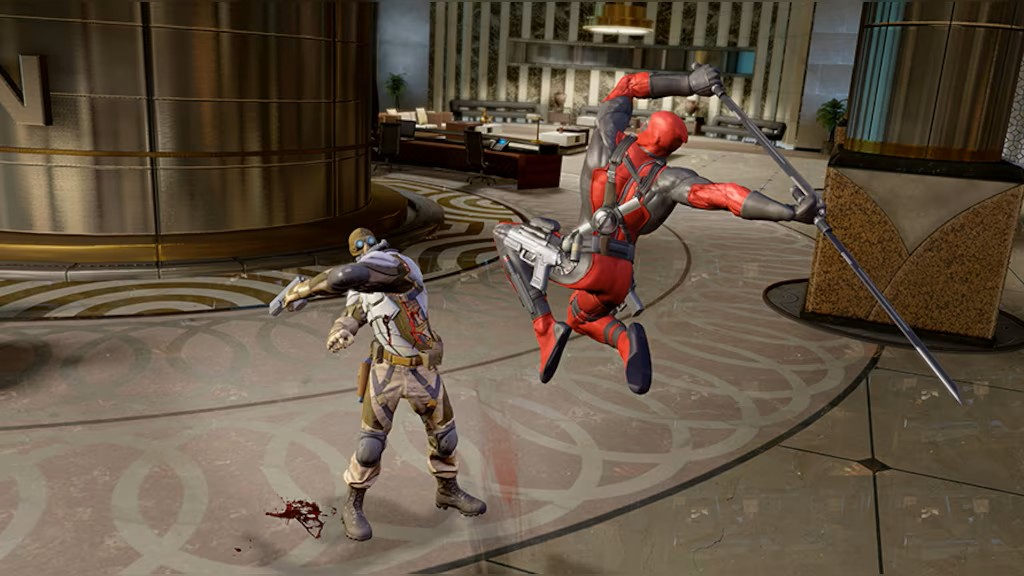
Deadpool: The Video Game doesn’t try to be subtle. That’s its strength. The main character knows he’s in a game and never stops talking about it. He bullies the developers, rewrites the script mid-mission, and talks directly to the player like it’s a co-op session you didn’t agree to. It’s loud, self-aware, and often obnoxious, but in a way that fits the character.
The writing leans into Deadpool’s comic book roots, including the triple voice narration in his head. The game changes format on purpose. One moment you’re in a 3D brawler, the next it drops to 8-bit or 2D side-scrolling when the “budget” runs out. These are more than jokes. They’re part of the gameplay itself. The whole story runs on twisting the format and turning it into a punchline.
#4 Brutal Legend: Heavy Metal as Lore
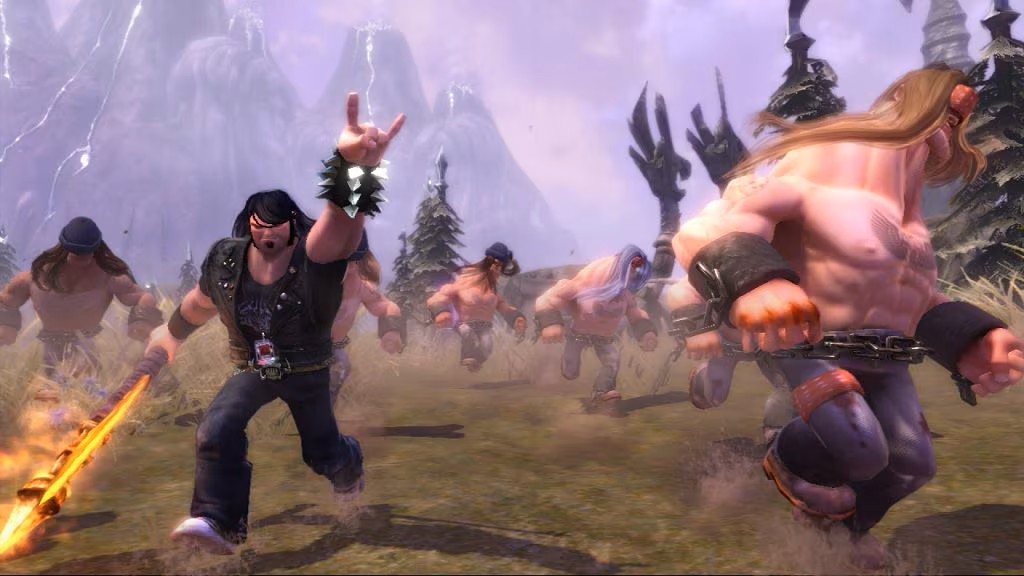
Brutal Legend mixes action, real-time strategy, and roadie fantasy into something that shouldn’t work but does. The world is shaped by metal album art. The characters speak in riffs and power chords. The logic of the world comes from music, not realism. And somehow, it holds together.
Jack Black voices the lead, and the supporting cast includes actual rock legends. The setting mixes Norse myth, stage theatrics, and genre parody. Even the shift into RTS battles mid-campaign fits the vibe. It’s a strange game with clear creative vision. You’re inside a tribute to a subculture.
#5 The Stanley Parable: Following Orders Until You Don’t
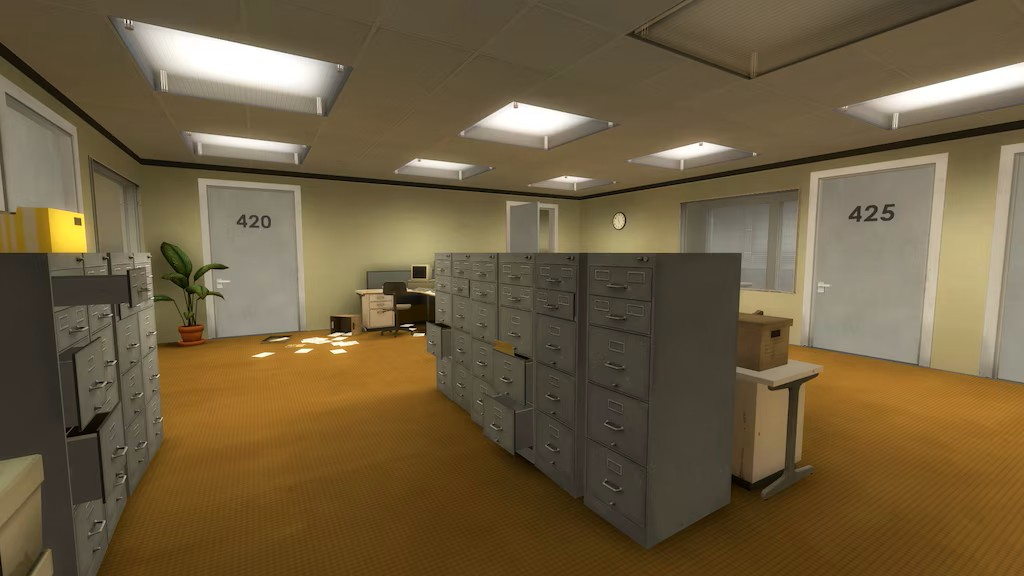
The Stanley Parable is built around a single idea: choice. You play as Stanley, and a narrator tells you what to do. You can follow the instructions, or not. The story reacts either way. That’s the game. It sounds simple, but the depth comes from how the narrator adapts, scolds, panics, or mocks you depending on your actions.
#6 There Is No Game: Wrong Dimension: The Game That Doesn’t Want to Be Played
This one starts by telling you to quit. There is no game, the narrator insists. Nothing to see here. The only way forward is to ignore that advice. What follows is a multi-genre puzzle journey through fake menus, broken mechanics, and full-on genre swaps that parody everything from point-and-clicks to JRPGs.
Why These Games are Cool to Play
Each of these titles broke form in a way that made other developers take notice. Portal showed how story can be embedded in puzzles and environment. Deadpool made the game itself part of the joke. High on Life took player interaction and wrapped it in relentless absurdity. Brutal Legend turned musical style into narrative design. The Stanley Parable transformed narration into an antagonistic mechanic. There Is No Game: Wrong Dimension built its plot around resistance to interaction.
Join the Chaos
That’s the shortlist. Six games that refused to play it safe and came out stronger for it. Not everyone loved them. Some pushed people away on purpose. But they moved the line and made players think about what a game could say, and how weird it could get while saying it.
For the latest gaming news, follow GameWatcher on BlueSky, check out our videos on YouTube. We sometimes include affiliate links in our posts, which grants us a small commission, thank you. Please support independent Games Media. ❤️