Faris Attieh wanted to make a game following his father’s passing, but had no prior experience in the industry. He pushed forward regardless and now we’re looking at The House of Hikmah, Lunacy Studios’ debut game. This is my pre-reveal chat with Attieh, founder and creative director, who was kind enough to discuss how everything came together and what he and his team are going for.
The following interview has been cut and edited for better flow and clarity.
Before we even properly jumped into all the details about his up-and-coming studio and its first project, it was abundantly clear Faris Attieh is a passionate guy looking to tell a very specific story no matter what. The interview could’ve run for way longer than it did; his enthusiasm is infectious and, quite often, he’d repeatedly apologize for rambling and going off track.
As someone who interviews game developers regularly, I can safely say he’s among the most genuine individuals I’ve talked to in the industry, and maybe that’s because these are his first steps into a larger, more complicated world. Perhaps there’s a lot of The House of Hikmah’s protagonist, Maya, in him.
“There were two defining moments… I didn’t think I belonged in the industry, but over time, I was doing some soul-searching and trying to figure out what I’m passionate about. And film and games were the two big things in my life,” Attieh explains about what motivated him to explore the idea of creating a small and agile indie studio.
Passion could only get him so far, especially with no previous development experience even on his own, so he jumped on LinkedIn and started asking around: “I kept hearing from people who worked in big studios that didn’t come from video games. They had previous lives.” After moving to LA (he was previously living in London), he took some interviews, but eventually realized studios “weren’t telling the stories” or making the games he would’ve liked to see.
His plan? “I got up at 4 in the morning and I would just start watching video courses and all the rest of it. Unreal Engine and stuff like that.” One day, a friend pushed him in the direction of actually chasing people who’d worked on games and were looking to try something new under someone who had a distinct vision.
“I lost my dad five years before that, and it was a very pivotal moment in my life… I also lost a friend to suicide, so I was still in the grieving process in many ways… This is the game I wish I had when I was going through it.” For Attieh, grief of his own was the spark of the basic story idea behind The House of Hikmah. “I’m not the only one that can relate to this thing, because the grief is a universal experience.”
He describes the process of building a team as “very messy” and something that was just “figuring it out as I went.” To keep things simple and the budget in check, he tackled problems and tasks as they popped up. This method has extended well into the production process, with some external developers coming and going depending on the workload.
“I would reach out to as many people as I could, asking if they knew anybody in games… Those were my mornings, and in my afternoons, I was scouring the Internet, trying to find folks who were already from the industry,” he explains. At first, there was only the idea for the story and the decision that it was going to be a 3D game running on Unreal. This is what led to an art director and more artists joining the project and so on. “It was a very iterative process,” he adds.
Attieh admits he maybe got lucky early on because all this happened right after the Covid pandemic had started: “We had to be remote by design… so we quickly realized we could hire people from anywhere in the world… It was very inspiring to see how many like-minded people flocked to it.” He reveals a common sentiment in the big leagues was that not enough people were pushing for this type of project amidst all the “trend-chasing,” which made his recruitment efforts more successful.
“People came to us and said ‘we’re willing to take a bit from our usual rate because we want to make this work’ and that meant the world to us at the time when we couldn’t really afford much.” Maybe the endeavor would’ve been a harder sell under different circumstances, but Attieh and his partners had a very specific story and type of game in mind: “It’s a hopeful story about grief and how you grow up from losing your parents, so the structure that made sense for us was a very linear story.”
A bit of great news is that Lunacy Studios isn’t making the mistake of working on a hard-hitting story only to skip on giving it professional voice acting that can make it sing: “We have a fully voiced cast, both in English and Arabic… The emotional telling of the story and delivery of these lines really went above and beyond for us.”
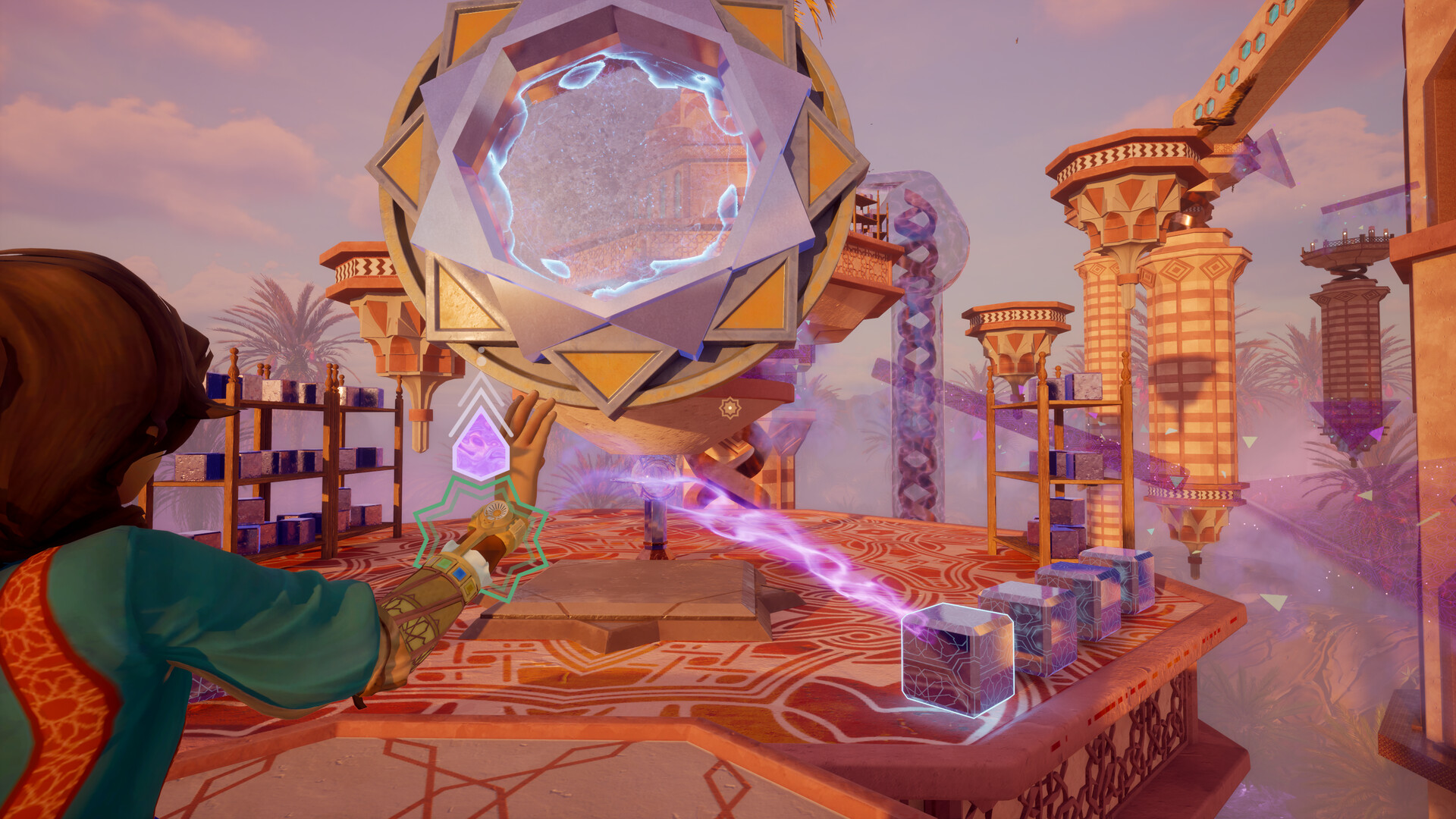
What about the game’s length? Is The House of Hikmah really as breezy as it looks at first glance? “We wanted something a bit more bite-sized, closer to a six-ish-hour experience… It’s a very puzzle-driven game.” He also teases quality and meaningfulness over quantity; this is no “puzzle rush” moving at a breakneck pace.
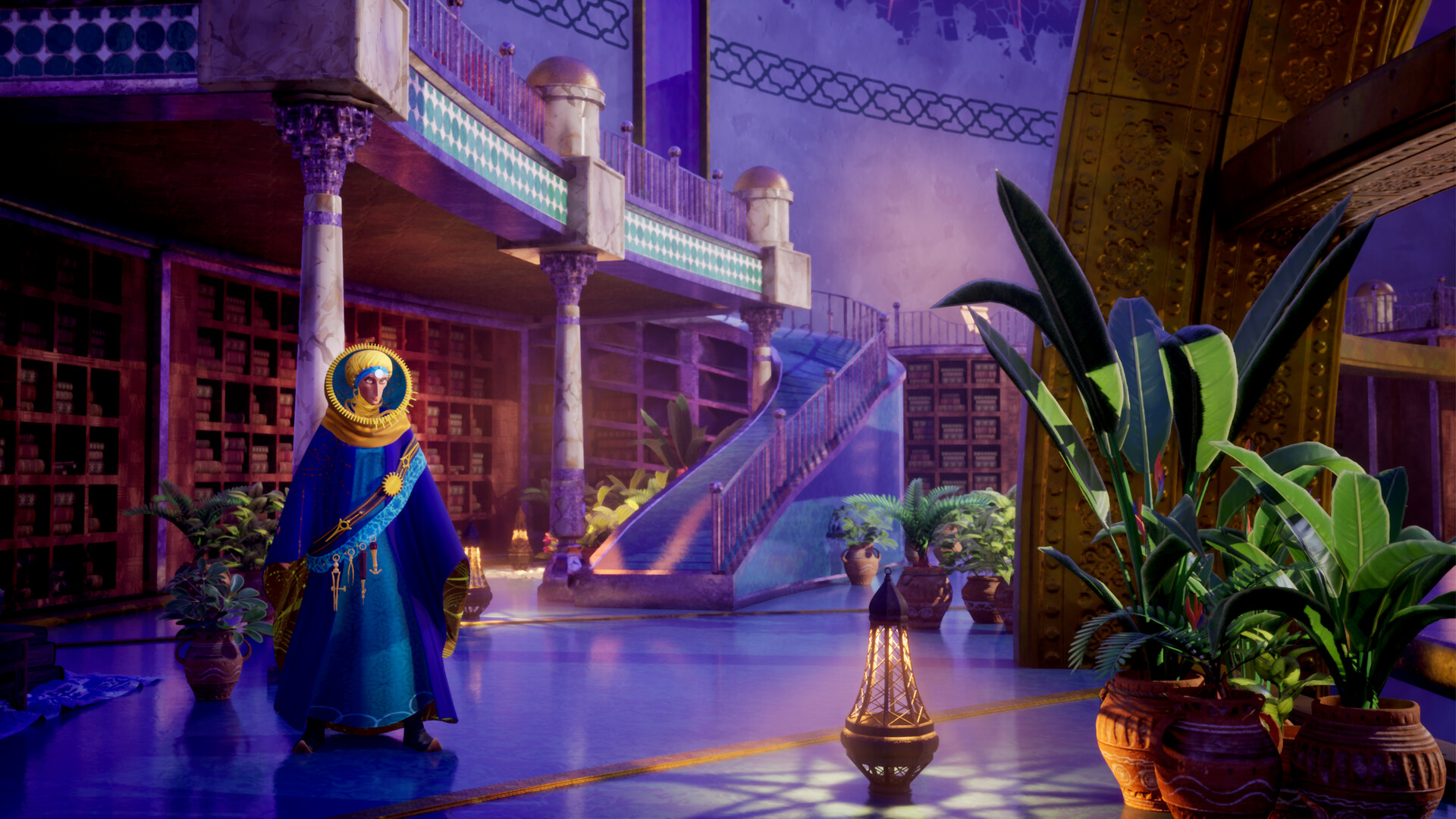
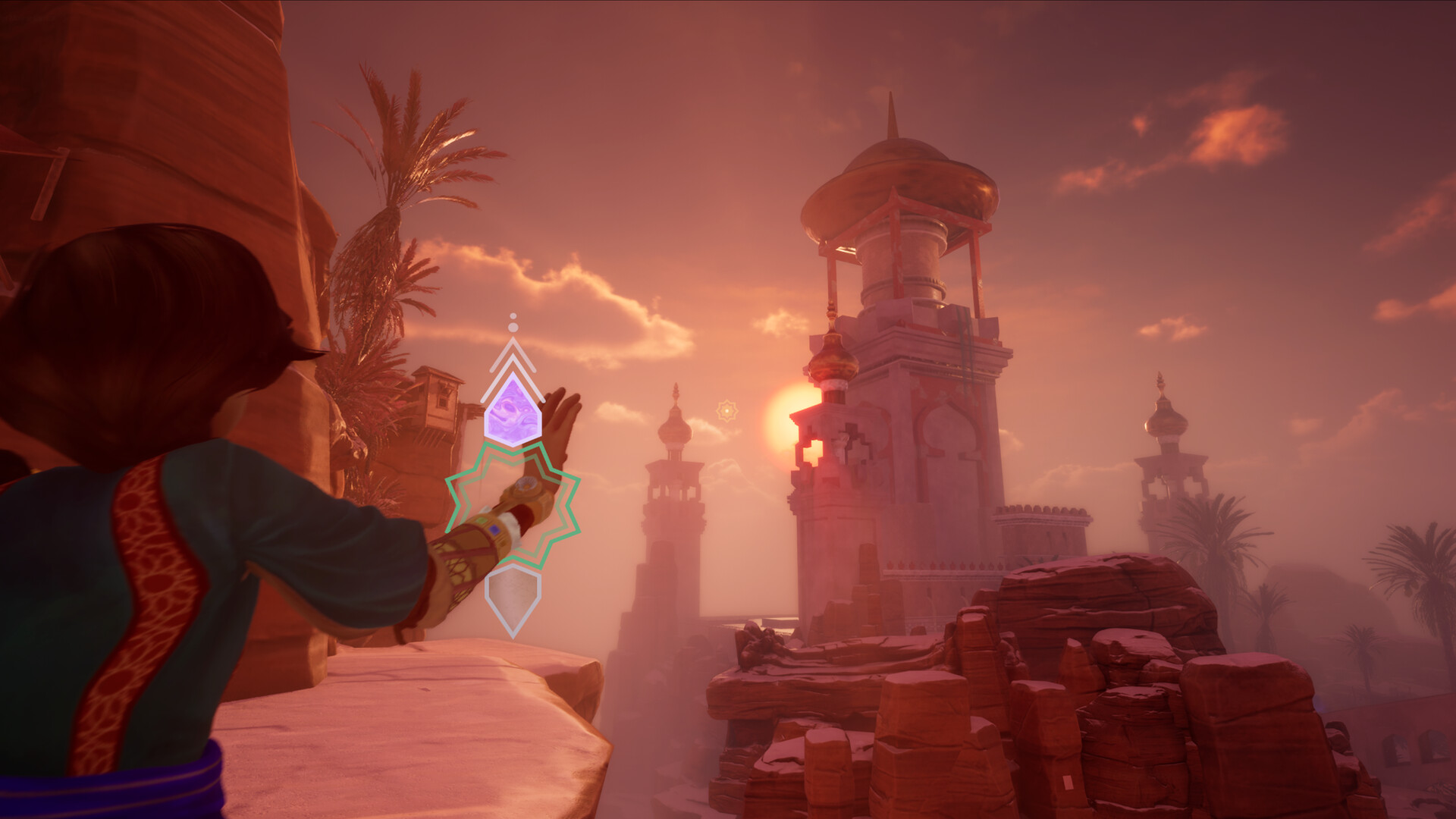
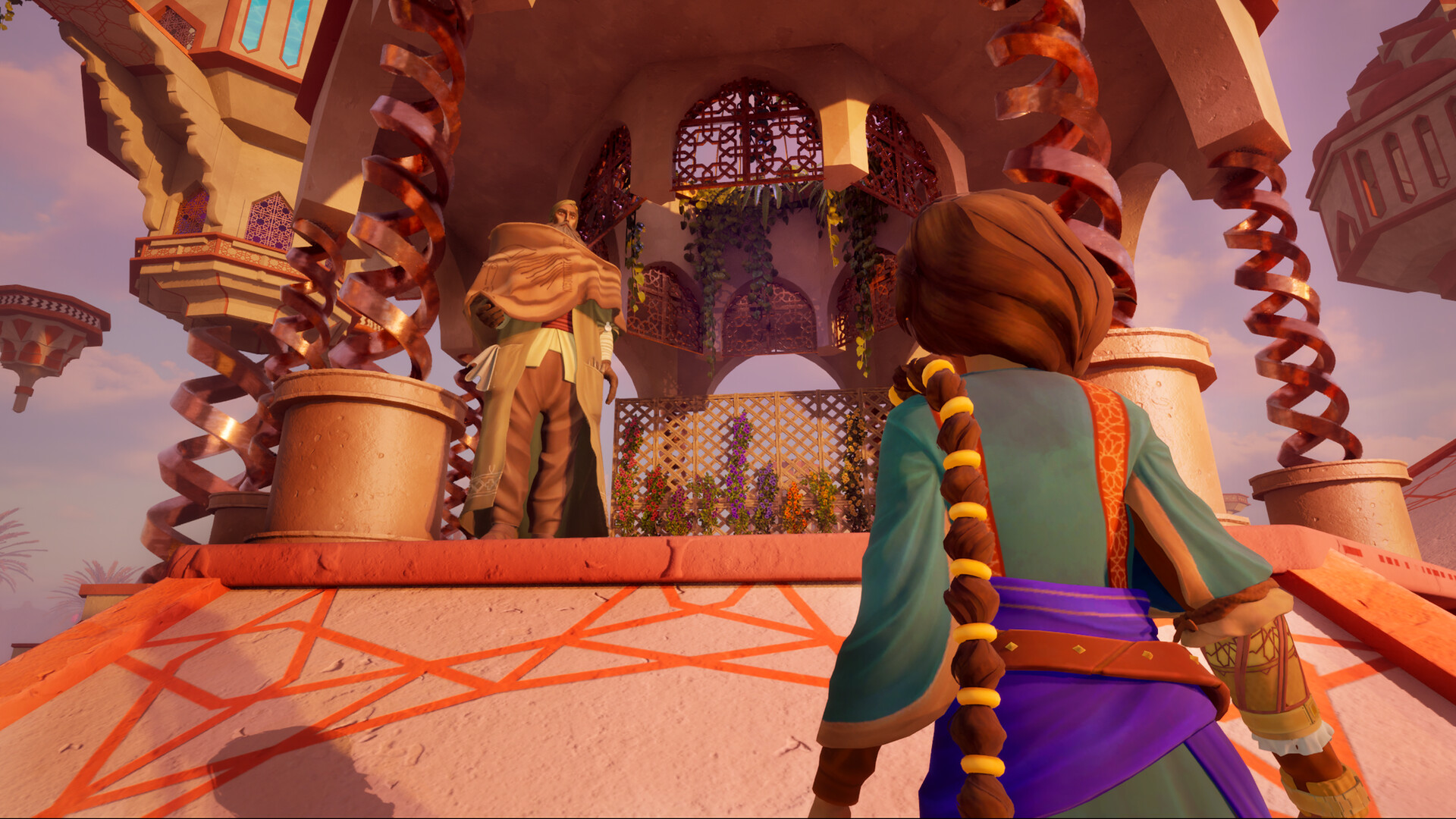
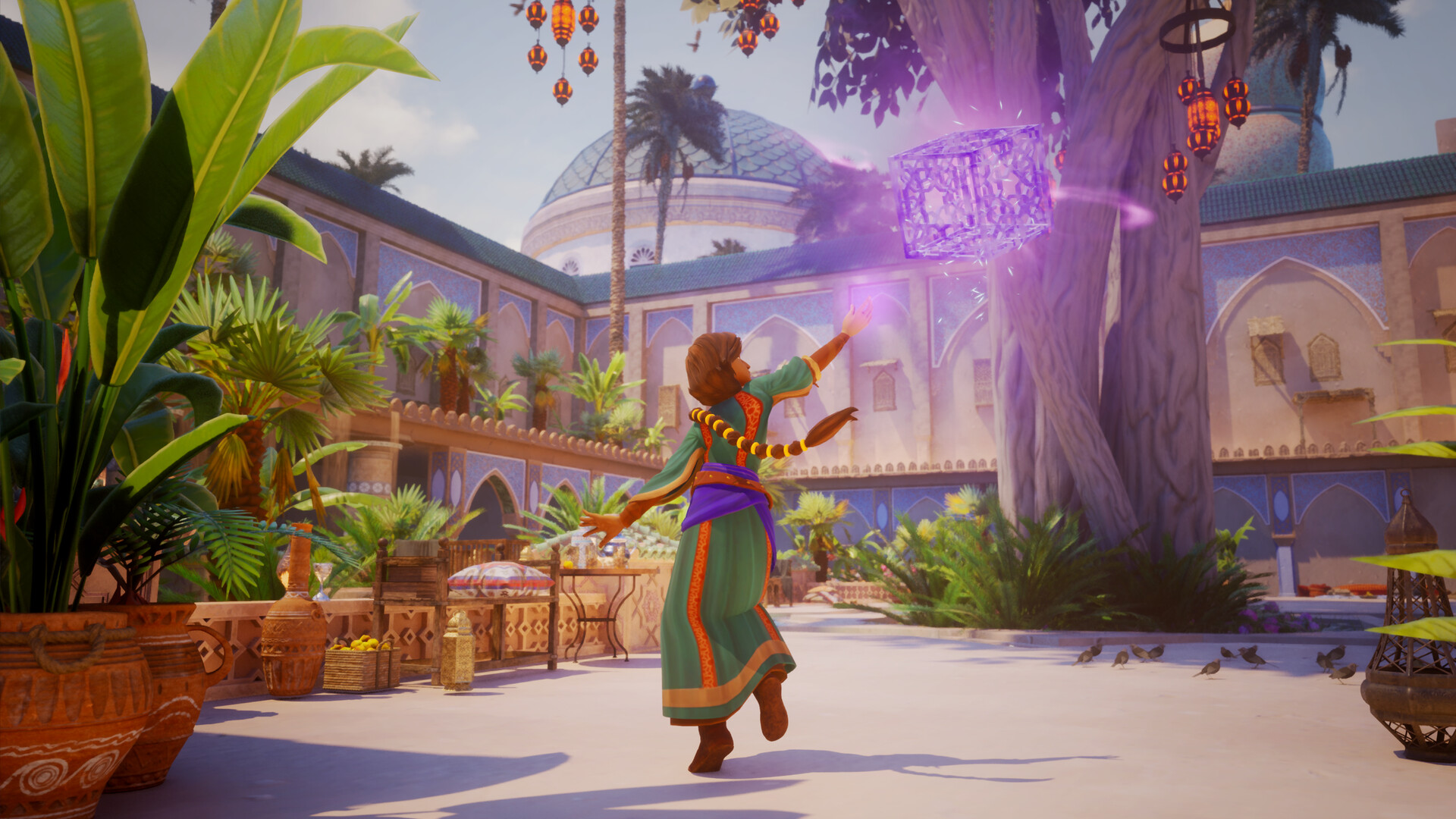
A rhythm that’s too fast wouldn’t fit the story and Maya, the protagonist, anyway. “She’s stubborn. She’s incredibly inquisitive. She’s very curious.” Attieh doesn’t have a hard time describing her, which suggests they might have a lot in common. “Maya goes through the story meeting Islamic scholars, the great minds of the time.” He mentions the 1200s, suggesting this specific tale is set towards the end of the Islamic Golden Age era. Regardless, all those elements are relative, as The House of Hikmah is purposefully dream-like.
“It’s not about saving the world, it’s about saving me. What matters to me right now is getting out of bed and taking a shower today and feeding myself.” That’s how Attieh describes the “down to earth” stakes of this story. It all reflects what he went through once, and while he admits he loves comic books at some point during our chat, he underlines “we don’t have superheroes in every household.”
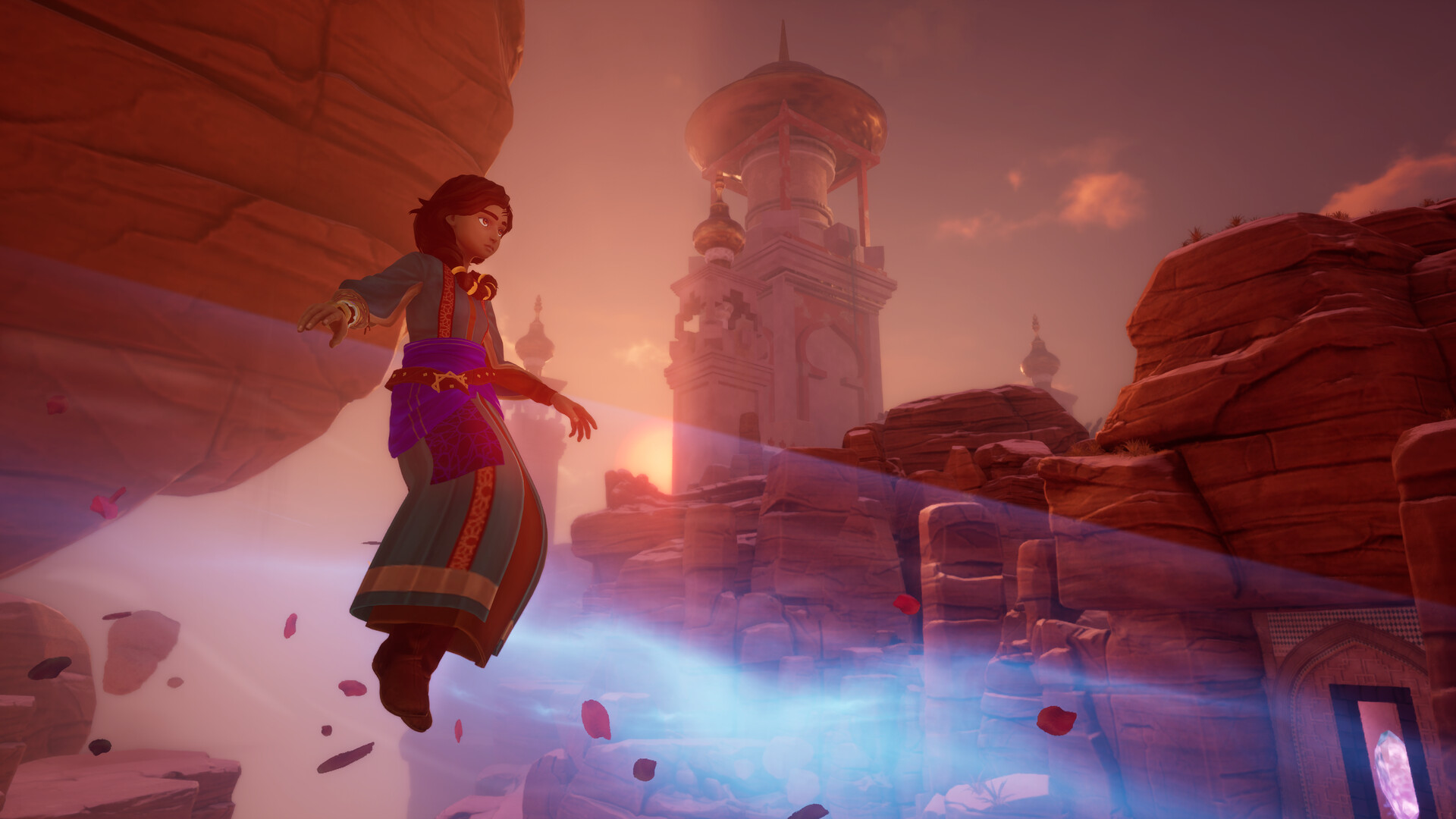
By now, you might have figured out The House of Hikmah doesn’t have any combat. On top of that, its representation of the Middle East feels truly genuine. Attieh confirms those were two key rules for Lunacy Studios: “Number one is we don’t want any violence, and number two was authenticity. We didn’t want to have an Orientalist view of what the Middle East was, and so we wanted to paint the region in a positive light.” This led to picking the Islamic Golden Age as the setting, which immediately set even the artistic tone for the whole project.
“You have Ibn Sina, one of the fathers of medicine… Ibn al-Haytham, who worked on the camera obscura… We were very much spoiled for choice, and we didn’t know what they looked like,” Attieh says of the great figures they chose to study. Eventually, they settled on a handful of them, taking the opportunity to give them “quite idiosyncratic personalities, also visually.” This led to unique designs that (hopefully) could be identified by their general shapes alone. Some scholars lent themselves easily to puzzle design, “whether it’s dealing with light… or literal proto-robotics.”
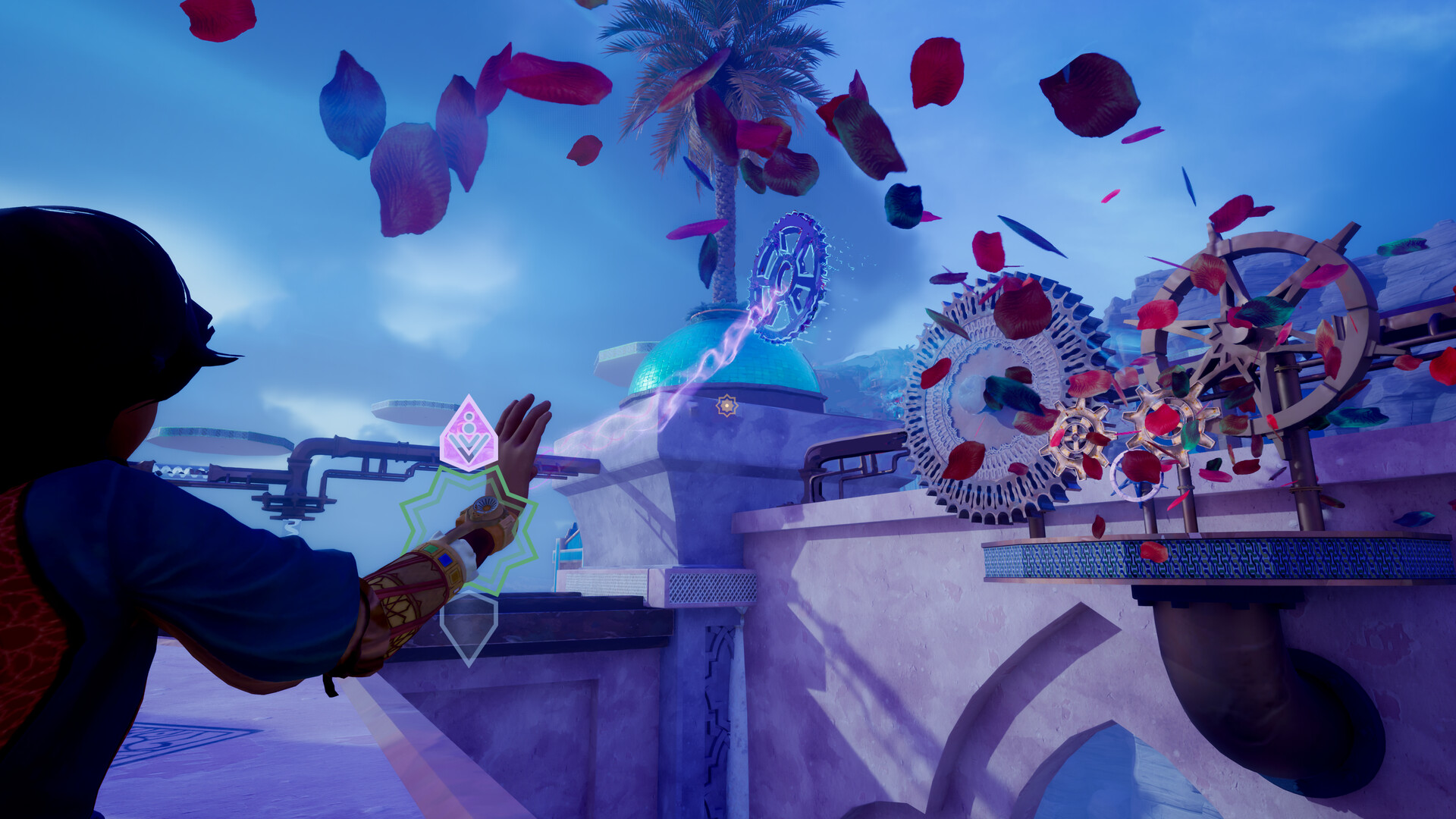
In practice, The House of Hikmah follows an approach to progression which Attieh describes as “little wins” like the ones he conquered after his father’s passing. “I felt like they were little puzzles I was solving… I see puzzles in my day-to-day life, I think, generally… She (Maya) isn’t trying to solve grief, but growing from it.” He won’t reveal more about the story or structure yet, but teases Maya can’t just solve her sadness once she’s done with her journey.
Following the basic idea of puzzles tied to simple tasks or stages of grief, and adding the presence of these scholars on top, led to levels that are “a reflection of their work” but also fantastical in nature. “We want it to be as truthful and as authentic to them as possible,” he insists after explaining the laws of physics will be broken in these “wonderland-esque” environments. At its core, The House of Hikmah is a freeing game first and foremost.
The attention to detail extends to the music, which is being handled by Austin Wintory (Journey, Sword of the Sea). “He was very much moved by what we were trying to tell… He was able to name more (Middle East) instruments than me and everyone in that call combined,” Attieh recalls. He and the team were also really committed to the idea of having musicians from the region work on the music, so they flew him out to the region earlier this year. He adds they had a “total alignment” since day one on the mix of authenticity and fantasy they wanted to bring to the game.
When pressed to comment on The House of Hikmah only launching on PC through Steam when it arrives next year, Attieh quickly states they’re trying to avoid crunch: “It’s just added scope that we don’t need to put the team through.” He adds they’re laser-focused and trying to avoid temptation, and the reception on that single platform will determine what comes next. Smart man.
For the latest gaming news, follow GameWatcher on BlueSky, check out our videos on YouTube. We sometimes include affiliate links in our posts, which grants us a small commission, thank you. Please support independent Games Media. ❤️