
Skins, which started as a simple visual flair in titles like Counter-Strike: Global Offensive (now CS2), has evolved into a multi-billion-dollar ecosystem that has reshaped competitive economies. These economies are reshaping competitive gaming by turning passive players into active participants in financial systems. It has managed to create new revenue streams beyond traditional prize pools or subscriptions.
Skin economies are player-driven virtual markets centred on cosmetic items in video games. These items let players customise weapons, characters, vehicles, or environments, without altering gameplay balance. Skin economies started as a simple visual flair; they have now grown into sophisticated ecosystems, especially in competitive gaming, where Skins function like digital collectables, stocks, or even alternative investments.
How Skin Economies Work?

In games with open trading, players obtain Skins via:
- In-game drops or case openings. It requires keys purchased with real money.
- Trading with other players on official marketplaces or third-party sites.
- Direct purchases or unboxings.
Since rarity drives values, common Skins might be worth pennies, while rare patterns, low values, or discounted items can fetch thousands or tens of thousands of dollars.
There are third-party marketplaces like Counter-Strike skin trading markets, and others that facilitate cashouts, often with lower fees than Steam, turning virtual items into liquid assets.
In contrast, games with closed economies keep Skins non-tradable outside the game. It helps them create a skin monopoly where the publisher controls all value. This limits speculation but ensures direct revenue to the developer.
Reshaping Competitive Gaming
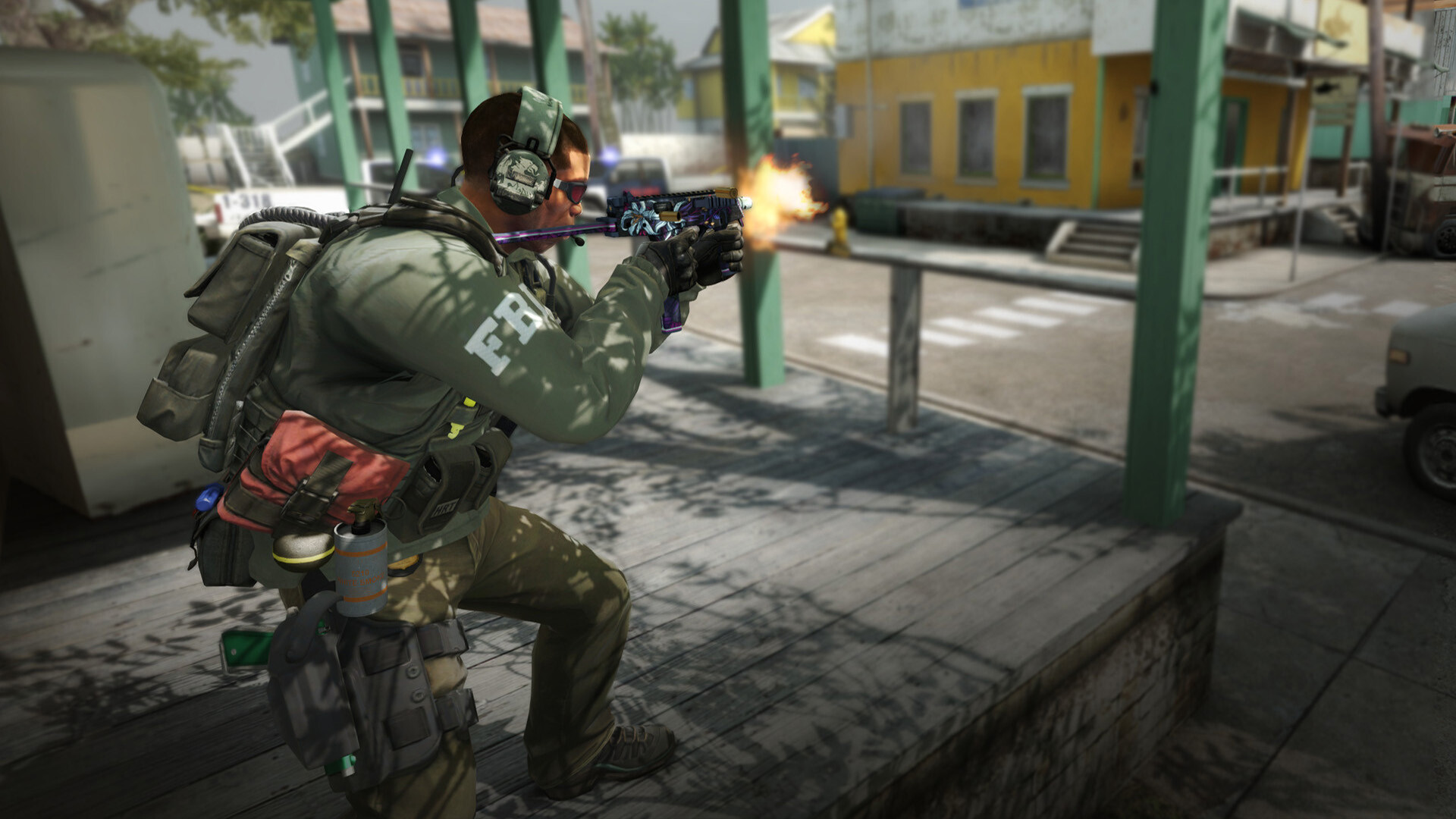
Skin economies have transformed competitive gaming in a number of ways. Here are some of the profound ways:
Player Retention and Engagement
Skins add layers of progression and status. Pros and streamers showcase rare items, thereby creating aspiration. Unboxing and trades keep causing players to look in long after mastering mechanics. Liver streamer unboxings drive real-time market volatility, with skinfluencers shaping demand more than raw rarity. This keeps older titles relevant years after release. It boosts concurrent players and esports viewership.
Revenue Diversification for Developers and Esports
Skin economies have led to revenue diversification for developers and esports. Valve earns significantly from case keys and market fees, funding ongoing support for CA2. On the other hand, Esports events benefit indirectly as skin hype fuels subscriptions and fan tipping alongside traditional ads.
Speculation and Investment Culture
Skin economies have reshaped speculation and investment culture. There has been a shift wherein Skins function like digital collectables or stocks. Players assess risk, hype cycles, and scarcity mirroring real financial markets. This attracts a new need of micro-entrepreneurs who trade profit, extending the game’s lifespan and community investment. Bot farm g highlights how seriously the economy is policed to maintain stability.
Integration with Esports and Streaming
The integration with Esports and allowing Streaming has been detrimental. This has transformed competitive gaming and taken the entire gameplay to an altogether different level. Competition e scenes amplify skin value. Pros using flashy skins in tournaments or streams boost desirability. Esports betting and sling gambling emerged as extensions, though often in grey areas. The ecosystem connects fans beyond matches through trading, collecting, and social signalling.
Broader Industry Shifts
Skin economies have caused a broader industry shift. The space is no longer what it used to be. Successful skin economies, which thrived due to trading freedom and community trust, contrast with failures. They encourage developers to design for longevity rather than one-off sales. User-generated content trends, aided by AI, could further expand customizable assets. This has reshaped competitive gaming.
Challenges and Criticism
Skin economies are not without downsides. There are certain challenges that developers deal with. Here are some of the listed:
-
Gambling Link: Skins serve as virtual currency for third-party betting sites, including esports match-fixing risks and skin gambling on games of chance. This correlates with higher gambling rates.
-
Addiction and Exploitation: This is yet another downside. Loot box mechanics and hype driven markets can encourage overspending. Scams, frauds, and unregulated trading persist despite platform efforts.
-
Inequality: Inequality and volatility are yet another crucial downside. Wealthier players or early adopters dominate rare items. Prices swing wildly on streamer influence or updates, which become a source of frustration for some.
-
Regulatory Scrutiny: Government and platforms face pressure over consumer protection, with skin gambling often operating in legal grey zones. Valve and others have cracked down on bots and shady sites, but challenges remain.
Conclusion
As competitive gaming matures, skin economies will likely deepen their influence. We can expect more transparent tools for tracking investment and integration with crypto or Blockchain for ownership. Esports will continue to intertwine with these markets, potentially attracting Gen Z audiences through gamified investment and social features.
Ultimately, Skins has transformed competitive gaming from pure skill contests to multifaceted cultural and economic phenomena. They reward loyalty, fuel creativity in customisation, and generate value that spills into real-world economies. Skin economy is now a core pillar keeping many competitive titles alive and evolving.
For the latest gaming news, follow GameWatcher on BlueSky, check out our videos on YouTube. We sometimes include affiliate links in our posts, which grants us a small commission, thank you. Please support independent Games Media. ❤️