GameWatcher continues its look back at 007’s history in video games, from EA’s PS2 era to the release of 007: First Light in 2026.
In the first part of our James Bond in video games retrospective, we looked at the humble home computer origins of the iconic agent’s video game career, a struggle to nail down what a Bond game should be through the 80s and early 90s, before the famous N64 triumph of GoldenEye 007 finally captured players’ hearts.
We ended that feature with the first few years of EA’s time as custodians of the 007 moniker in video game form, capping off with the end of the fifth console generation.
006th Generation: EA Under Fire
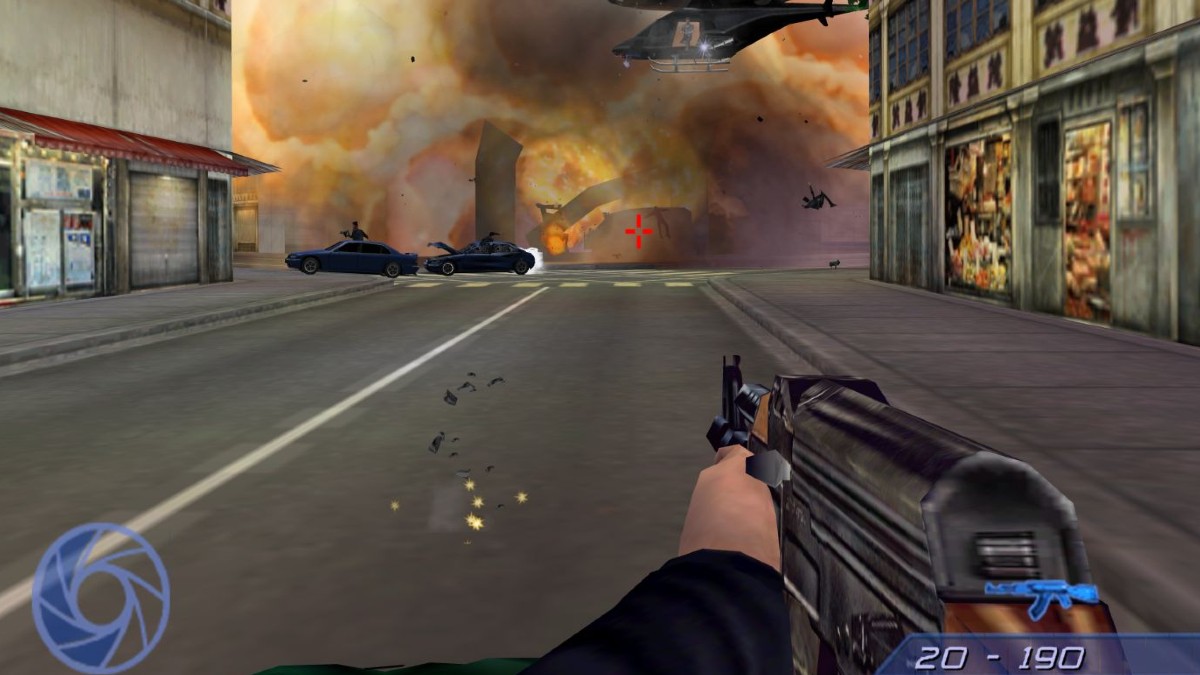
The console generations shifted to PS2, GameCube, Xbox, and Dreamcast, but the last of those was a dead duck by the time James Bond 007: Agent Under Fire arrived to usher in a new generation of Bond with a game not connected to a film.
Future Cop: LAPD and Tiger Woods developer EA Redwood Shores (later to be known as Dead Space dev Visceral) took the helm, brought in the Quake engine, and teamed with MGM to create a brand new Bond story about world leaders being cloned.
It’s fairly similar in terms of what’s in it compared to the previous EA-backed efforts. There’s shooting, driving, gadgets, and the like, but freed from the shackles of an existing film, there was room for a little more flair, and we got a generally better-made game out of it, and it sold pretty well as the console business continued to boom.
Still, the annoying buzzing whisper of ‘’But GoldenEye 007…’’ could not be excavated from the ears of critics, so Agent Under Fire did better than some previous EA Bond games, but still not near that level Rare set. A common theme broken up by perhaps one game.
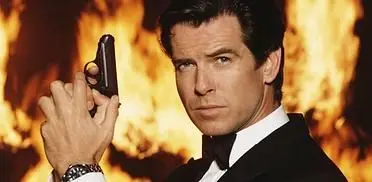
But before we get there, Eurocom and Gearbox would keep the ship steady with the swiftly released James Bond 007: Nightfire in 2002. This time, Brosnan’s likeness was featured (but not his voice), the damage HUD from GoldenEye was implemented to improve morale, and it featured both single-player and multiplayer modes that drew from 007’s vast history of iconic moments, characters, and locations.
More than any game since GoldenEye 007, Nightfire tried to be what that game was. While that worked for some in a desperate ‘’we have GoldenEye at home’’ way, it unsurprisingly is not as well regarded as its greatest influence, but still, we’re a long way from the misfires of the 80s at this point, so even a decent Bond game felt like a small victory.
Everything is Golden
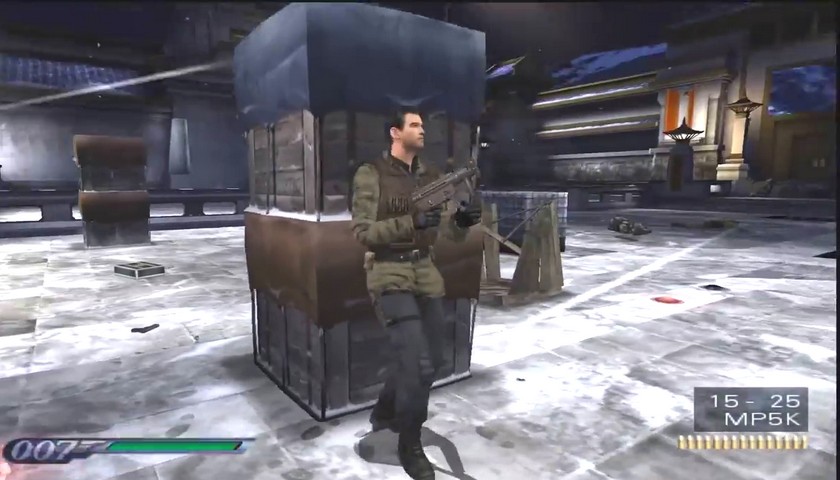
EA Redwood Shores would slip on the developmental tuxedo once more for 2004’s next stab at an original Bond story: Everything or Nothing. Coming two years after Brosnan’s terrible swansong film, Die Another Day. Not that it stopped those involved from doing one last job together for this game.
Yes, Brosnan not only features visually, but also lends his weird, silky tones to the game alongside Richard Kiel, John Cleese, and Judi Dench, all reprising their Bond movie roles. Stacking that with roles for Mya, Shannon Elizabeth, Heidi Klum, and Willem Dafoe made this the most star-studded Bond game of all time.
It also marked a return to third-person after the ill-fated Tomorrow Never Dies, and yes, the driving sections were still here, bringing their own range of vehicle stars from Aston Martin, Porsche, Triumph, and Subaru.
To date, Everything or Nothing is the best original Bond adventure in video games. It feels like a last big budget throw of the dice from EA, even if it wasn’t to be its last 007 outing. So much effort goes into making it feel like a Bond film, and in 2004, with a studio already giving us a successful Lord of the Rings game the previous year, it was as successful as it could be, even as Bond’s big screen reputation had taken another hit.
Clearly trying to pump as much money from the Bond license as it could, EA LA got a little experimental in concept for a game cleverly/cynically called GoldenEye: Rogue Agent. But the name had little to do with Rare’s benchmark Bond outing or the 1995 movie, and is counted as more of a spin-off, especially as you don’t even play as Bond himself.
Instead, you are the titular Rogue Agent, hired by Bond badies Auric Goldfinger to assassinate Dr No. The GoldenEye of the title actually comes from the fact that your character has a cybernetic gold eye. It had the multiplayer component at least.
After the highs of Everything or Nothing, Rogue Agent was a stumbling step back to the bad days of EA’s run with the series. A nice gimmick Bond spin-off with a host of famous baddies that was executed poorly.
From EA, With Love
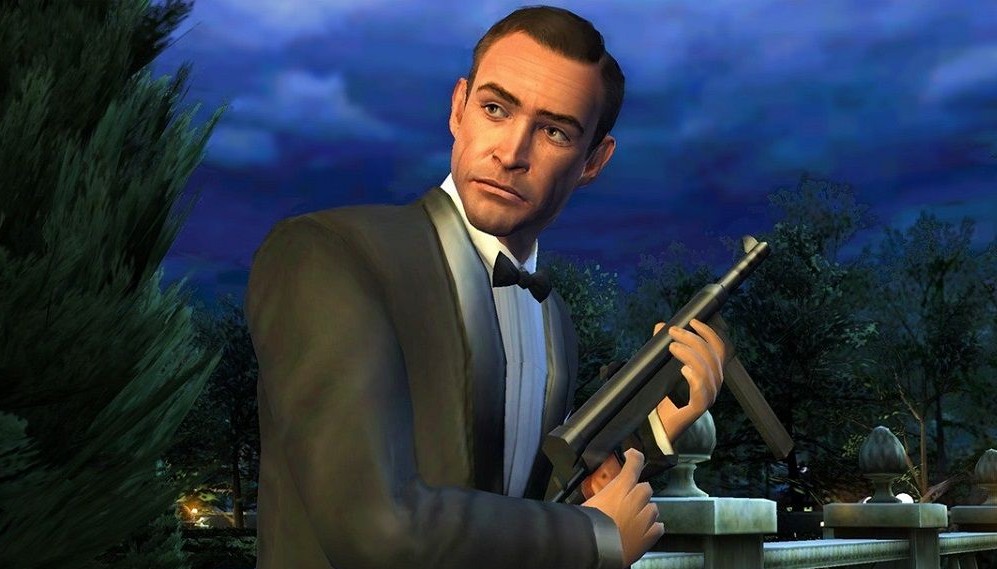
In 2005, EA squeezed its last drops out of the Bond series by going back to the classics. After the teasing around making something like GoldenEye, but not GoldenEye, and the various attempts at standalone adventures, Redwood Shores took it back to the 60s and Sean Connery with a game version of From Russia With Love.
Not only did we get the digital likeness of Connery in his Bond pomp, but his distinctive voice as well, with the Scottish actor reprising the role for the eighth and final time—a hell of a way for EA to end its run.
While this third-person shooter was based on the second Bond movie, it featured several tweaks and additions, including new characters, a new organisation (a legal wrangle meant SPECTRE was replaced with OCTOPUS), and a few iconic gadgets from later in the series, such as Thunderball’s jetpack and the laser-firing watch.
As a wrap-up for EA’s time with Bond, From Russia With Love felt fitting. Big budget ambition, actors playing their film roles, odd celebrity cameos (Natasha Bedingfield in this case), remixes of established Bond moments, and an unhealthy obsession with shoehorning driving sections are all features of its run. It was also another EA Bond that didn’t make the most of its resources, ultimately getting decent, if unspectacular scores from critics.
EA’s reputation has been up and down over the decades, so it was perhaps understandable that it took a while (and a lot of games in a decade) to find its groove with Bond. Despite the misfires, it did give us some fondly remembered 007 outings.
But now it was time for a new journey as Bond himself was revitalised once more, and Activision, another US juggernaut publisher, took the reins of the franchise.
Bond’s Call of Duty
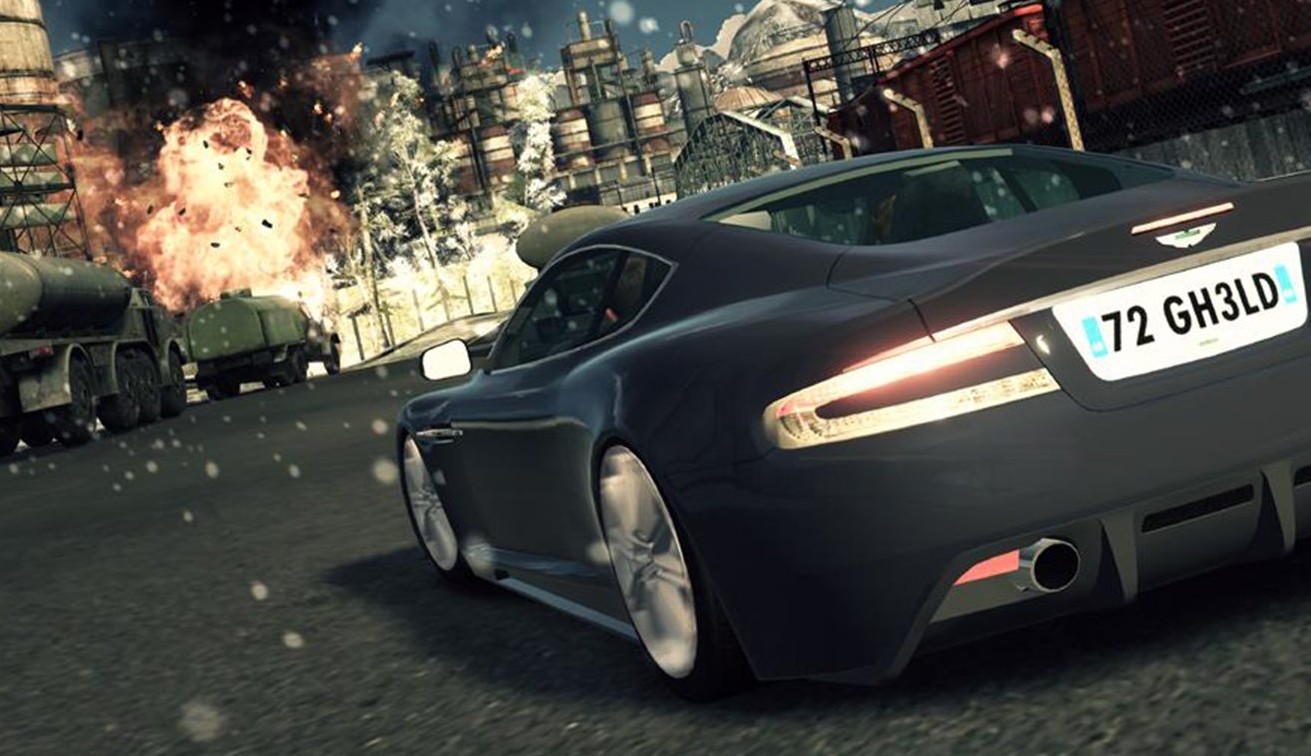
During the transition period between EA’s departure and Activision’s development of its first Bond game, Daniel Craig gave the Bond film franchise a shot in the arm with a grittier reboot of the character in 2006’s Casino Royale. A response to the twin threats of the Bourne films and Austin Powers to 007’s reputation, the film went back to the true start of Fleming’s Bond adventures and updated it for modern times.
A blessing for Activision then, which now had a Bond that better fit its sensibilities (money-printing), but annoyingly, it couldn’t initially cash in on Casino Royale’s success as it didn’t officially get hold of the license until 2007. Luckily, the follow-up film, Quantum of Solace, was on the way, and Activision gave Treyarch the keys to a tie-in game.
It was also a new console generation with the PS3, Xbox 360, and Nintendo Wii all on the market. Surely everything was adding up for a successful Bond reboot across the board?
Quantum of Solace, the game, may well have been the start of Activision’s run, but it felt more like a cautious continuation of EA’s habits. Film actors reprising their roles, bits of other movies shoehorned in (Casino Royale parts feature in Quantum of Solace), and an attempt at recapturing GoldenEye 007’s multiplayer magic (which unsurprisingly failed). Remarkably, no driving sections, though!
Rather than opt for third or first-person shooter action, Quantum of Solace does both, snapping out of first-person into third when Bond gets behind cover. There are also stealth sections because it was 2008. In keeping with the new grounded Bond, it’s not quite as gadget-heavy, but Treyarch fits a few in to change things up.
Unfortunately, the cautious EA-style approach didn’t help Treyarch or Quantum of Solace. An annoyingly short game that felt empty and repetitive compared to some of the previous efforts. An underwhelming start to Activision’s tenure. What could be done to fix things? Maybe get in a developer who had previous experience with Bond to remake one of the most celebrated 007 games of all time? Hell, why not make it a Nintendo exclusive to boot?
Going for Gold Again
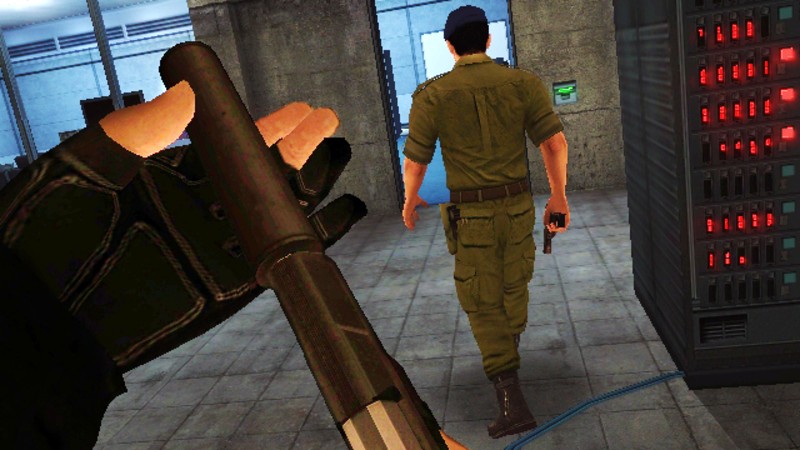
Sounds exciting, right? GoldenEye 007 returned on Nintendo Wii in 2010 with Rar…sorry, Eurocom, coming back to the fray a decade after The World is Not Enough.
Except it wasn’t really that GoldenEye. More so than Rogue Agent, but Daniel Craig slipped into Brosnan’s tuxedo, the plot was modernised to suit the Craig era, and works as a story between Quantum of Solace and 2012’s Skyfall.
While it could be seen as a jumbled mess of old and new, this was an era of Bond born anew, so returning to the story of GoldenEye through the lens of Craig’s Bond was actually a pretty smart idea. The fact that it utilised the Wii’s motion controls also helped differentiate it from its clear inspiration. Unlike EA’s fumbled attempt to weaponise the GoldenEye name for profit, Activision and Eurocom pulled it off with a clever reimagining of a classic.
The multiplayer shooter space had evolved in the time since Rare’s GoldenEye, but this game approached the tricky task with that in mind and found strengths elsewhere. It even got a release as GoldenEye 007: Reloaded on other formats a year later, but the results were a bit less impressive.
At the same time, Activision had Liverpool-based studio, Bizarre Creations (of Project Gotham Racing fame), working on a brand new standalone Craig Bond game, with PS3 and Xbox game James Bond 007: Blood Stone.
As with the GoldenEye reimagining, this story takes place between Quantum of Solace and Skyfall, but this time it’s an original Bond tale (the first since Everything or Nothing). Craig and Judi Dench reprise their film roles, and singer Joss Stone adds her name to the list of odd celebrity appearances in Bond games.
Despite the freedom to create a Bond adventure outside the rigid structures of the films, Bizarre Creations’ effort brought the same issues as Quantum of Solace, giving us another short, underwhelming shooter with a glossy front. Sadly, this would be the last game Bizarre Creations would work on as it closed its doors the following year. A Raven-developed sequel was ultimately canned due to poor sales of Blood Stone.
The 50th anniversary of the Bond film franchise was looming, and what did Activision learn from its tenure to date that could help in the creation of the next game? Eurocom could make a good Bond shooter, Bond film nostalgia can work, and folks were still pining for that GoldenEye high even in the age of Activision’s Call of Duty.
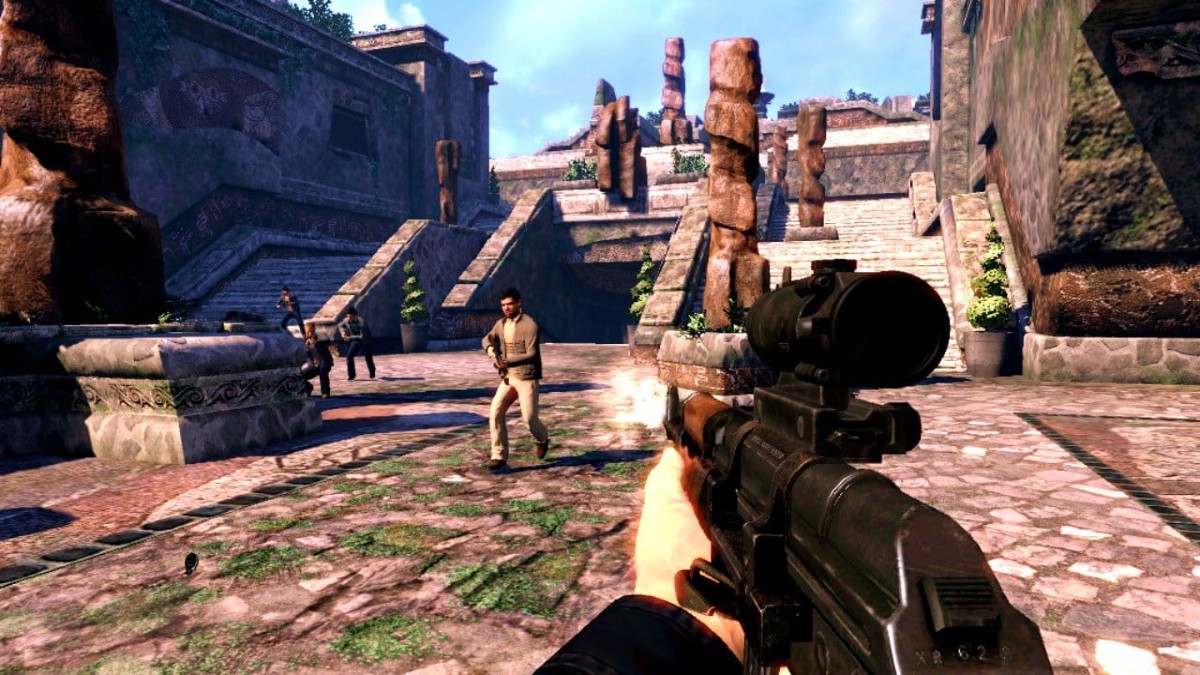
So on paper, 007 Legends made perfect sense, a series-spanning shooter from Eurocom that represents every on-screen Bond and a chance to bring back that multiplayer magic for the online age. On a console, however, 007 Legends gave video game Bond the No Time to Die treatment.
After years of middling-to-good Bond games, 007 Legends had all the impact of a half-empty water pistol. A stripped-back shooter that felt almost suspiciously below par when compared to Activision’s swaggering tentpole shooter series.
Eurocom had sadly come full circle with its Bond game experience, having begun with that forgettable James Bond Jr. platformer. The results hit the company hard, and after heavy layoffs, it would pivot to the mobile game market.
As for Activision? Well, it handled things like the adult company it was, and a year after 007 Legends, it pulled its Bond games from digital storefronts and announced it had ceased its licensing agreement for the series.
Bond Disavowed, But a (First) Light at the End of the Tunnel
And so, after 30 years of Bond games regularly getting made, there was a void. From 2012’s 007 Legends, we would not see another Bond game for the rest of that decade. There had been pitches, including a Lego game that got rejected because Bond didn’t really fit the family-friendly image of Lego games.
It wouldn’t be until the 2020s that Bond would return to action, and shockingly, that came in the form of the original GoldenEye 007 getting released on Xbox and Switch in 2022. But by this time, we also knew of a brand new Bond game in the works from Hitman developers IO Interactive.
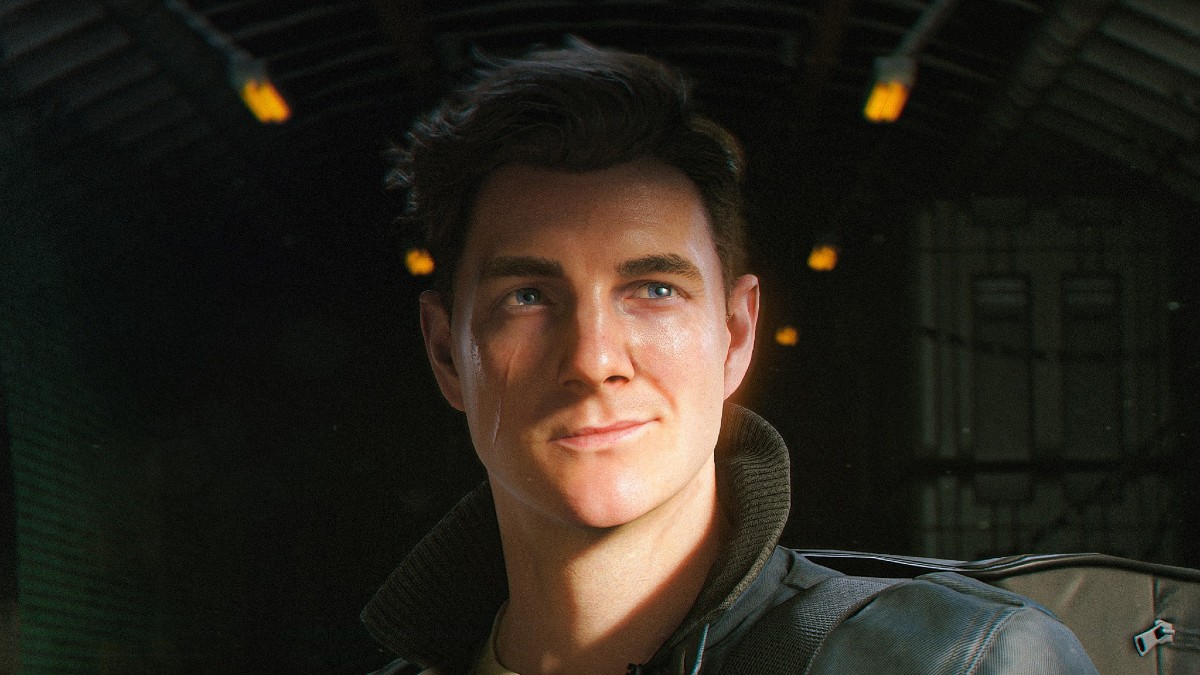
2026 sees IO’s 007: First Light as the first new console and PC Bond game in fourteen years, and it comes during a time Bond is in a kind of limbo on the film side. Amazon now owns 007, Craig bowed out in 2021, and at the time of writing, auditions to find the next big-screen James Bond are underway.
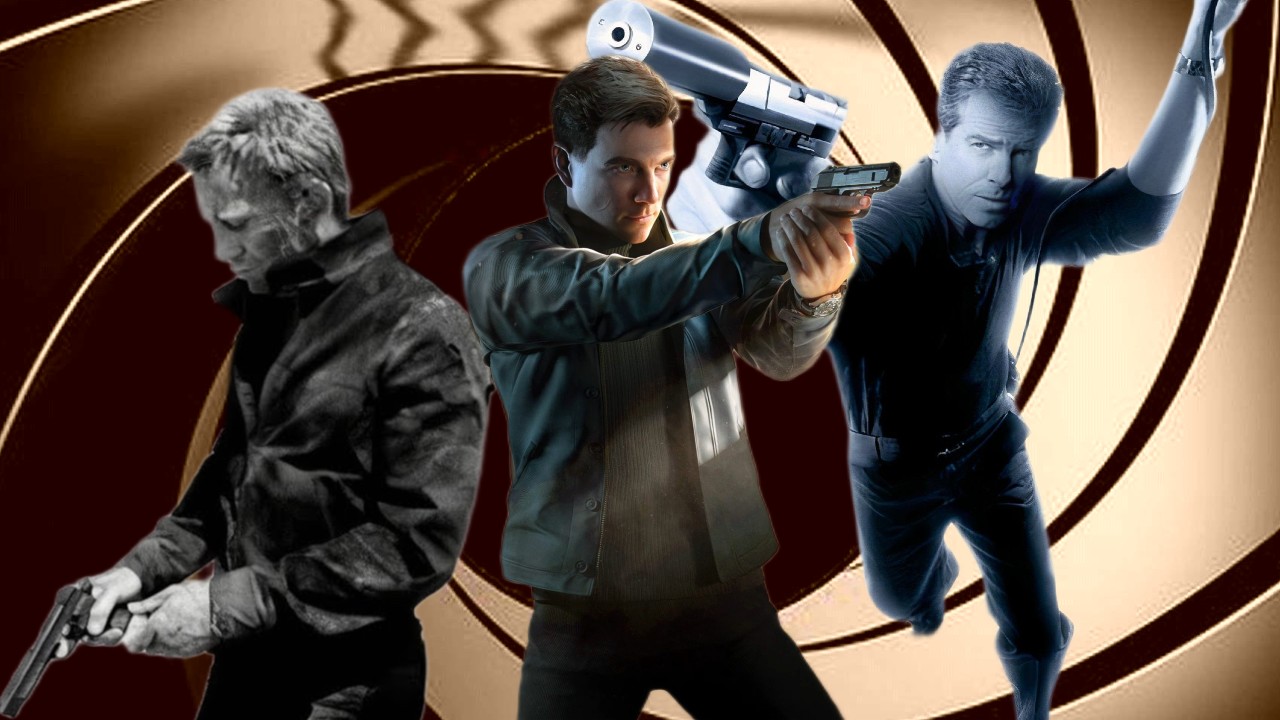
In that Bond-shaped hole for now is Patrick Gibson, playing an origin story Bond in First Light. For once, it feels like video game Bond is free from the pressure of movie releases and has a developer celebrated for its approach to gameplay at the helm. Instead of video games chasing the highs of 007’s past, they could be helping shape his future.
For the latest gaming news, follow GameWatcher on BlueSky, check out our videos on YouTube. We sometimes include affiliate links in our posts, which grants us a small commission, thank you. Please support independent Games Media. ❤️