So you finally pulled the trigger on a top WoW raid boost. Smart move: especially with Midnight Season 1 running three separate raids across Voidspire, Dreamrift, and March on Quel’Danas, each on its own unlock timeline. But buying the carry is step one. Walking in unprepared turns a smooth run into dead weight for the entire team.
Here’s what actually matters before your boost session starts.
Why Prep Still Matters on a Carry
Carry teams are fast. They know the pulls, the positioning, the rotation. What they cannot fix mid-run is a player who zones in undergeared, missing enchants, or crashing every boss pull because their addons are fighting their FPS. Most boost wipes that aren’t mechanic-related trace back to the buyer, not the team. That’s a reputation thing too: boosters remember smooth clients and they remember headaches.
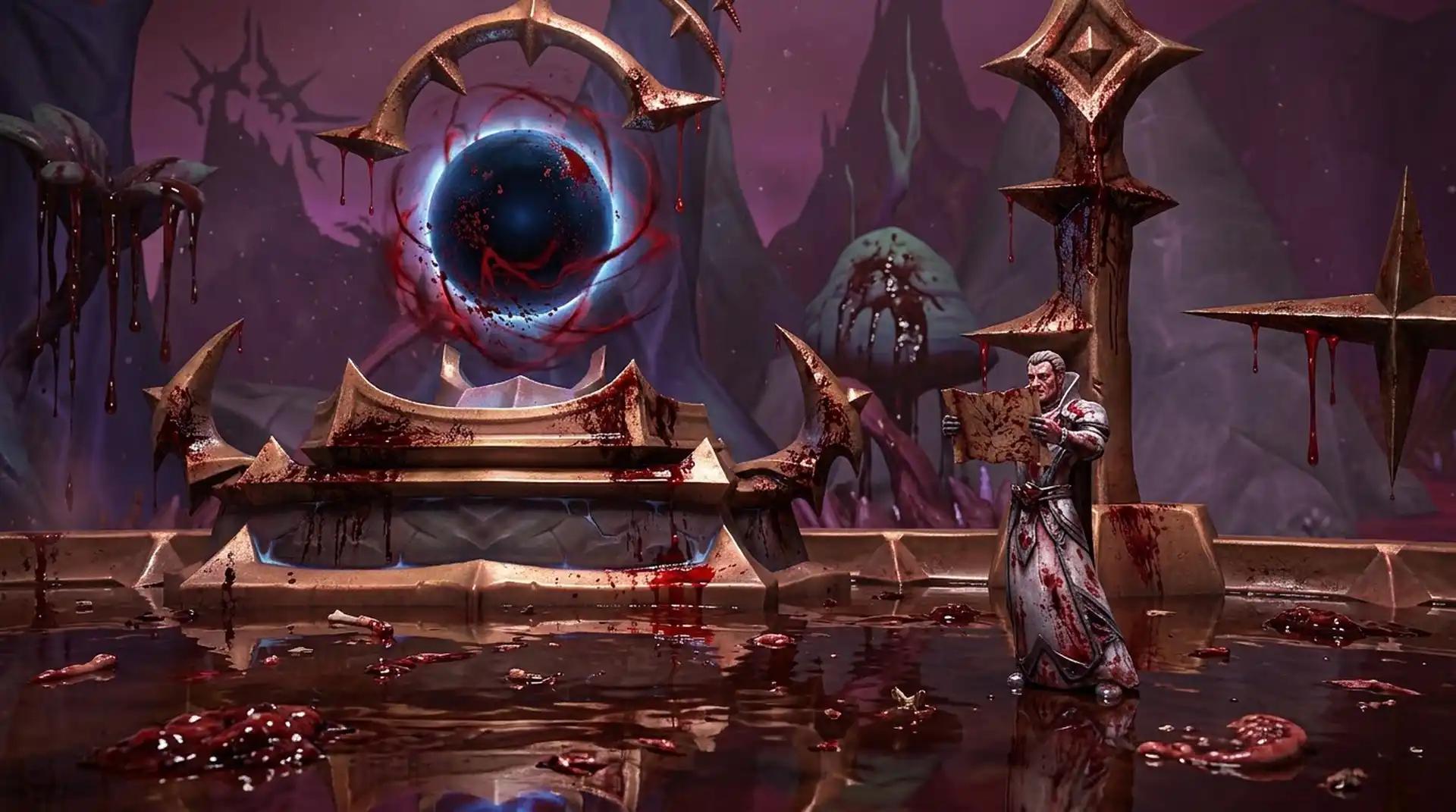
Midnight’s Voidspire alone has six encounters with Voidstorm-themed mechanics that stack ground zones and reduce visibility. As raid hub notes, positioning in this tier is punishing even for observers: bad spell effect clutter from a client running on potato settings makes it worse. You don’t have to carry your weight mechanically on a boost. You do have to carry it technically.
Gear Checklist Before You Zone In
These are the non-negotiables to sort before your run window opens.
- Hit the minimum item level for your chosen difficulty: Raid Finder requires 220, Heroic and Mythic expect competitive ilevels: check current benchmarks on Wowhead before your boost date.
- Every gear slot should have the correct enchant for your spec: unenchanted secondaries are free performance left on the floor.
- Bring a full stack of potions and flasks appropriate for your role, since consumables still apply even when you’re being carried through.
- Spend your Veteran and Champion Crests before raid day rather than saving them, because any upgrade is a net positive for your vault pull at the end of the week.
- If you have two embellishment slots open on crafted gear, use them: 246 crafted items with embellishments outperform higher raw ilevels in most slot comparisons.
Technical and Account Setup
The carry team moves fast. Your client needs to keep up.
Run a damage meter like Details! and a boss mod like BigWigs or DBM so you can follow kill cues without asking the leader to slow down.
Disable or update WeakAuras before zoning in, since outdated auras that spam errors mid-pull tank your FPS at the worst moments.
Set your graphics to a performance preset during raid pulls, especially inside Voidspire where overlapping void effects are the entire visual language of the zone.
Confirm your Discord or comms situation ahead of time: some boost teams are voice-optional, but knowing the preference before you zone in saves ten minutes of setup during pull prep.
Check that your character is in the right loot specialization before the first boss, because changing it mid-clear on some encounters is impossible after loot is already assigned.
What to Communicate to Your Boost Team
Walk in knowing what you want out of the run. Whether it’s specific tier slots from Voidspire (helm, shoulders, gloves, legs), the chest token from Dreamrift’s Chimaerus, or the flexible-slot tokens from March on Quel’Danas: tell the team before you start. Gear funneling only works when the carrier knows the priority. The same applies to achievements: Ahead of the Curve for Midnight Falls on Heroic disappears when the next raid tier drops, so if that’s the goal, say it before the lockout starts, not after boss five.
Good prep doesn’t mean doing the carry team’s job for them. It means respecting their time and getting the most out of yours.
Maximizing Your Raid Investment
Ultimately, purchasing a WoW raid boost for Midnight Season 1 is a direct investment in your character’s progression. Whether you are hunting for elusive tier pieces, chasing Ahead of the Curve, or just trying to catch up your item level before the next patch drops, you want the experience to be as seamless as possible.
The boosting team is bringing the raw mechanical skill and the coordinated DPS to melt bosses across Voidspire, Dreamrift, and March on Quel’Danas. Your job is simply to provide a stable, communicative, and technically prepared foundation. By taking twenty minutes to double-check your loot specialization, update your WeakAuras, and optimize your graphics settings, you completely eliminate the friction that turns a swift, enjoyable carry into a frustrating, drawn-out slog.
Think of it as setting the stage. You wouldn’t buy a premium ticket to an event and then spend the first thirty minutes unprepared at the gate. A raid carry operates on the exact same principle.
The boosters are veterans running a highly tuned service; respecting their time directly correlates to how smoothly and efficiently they will funnel you the gear, achievements, and clear times you paid for. Furthermore, maintaining a solid reputation as a reliable, low-maintenance buyer often leads to better overall experiences, easier scheduling, and occasionally even priority spots in future lockouts when the next content tier inevitably drops.
When that raid queue pops and the group leader hits the ready check, the only thing you should be focused on is enjoying the run and watching the epic Midnight Season 1 loot roll into your bags. Lock in your enchants, pop your designated flasks, keep your expectations clear, and let the carry team do what they do best.
For the latest gaming news, follow GameWatcher on BlueSky, check out our videos on YouTube. We sometimes include affiliate links in our posts, which grants us a small commission, thank you. Please support independent Games Media. ❤️